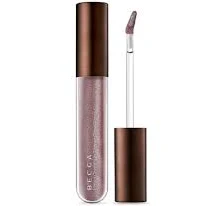
Becca Cosmetics · Lip Balm & Long-Wear Lipstick
Becca Liquid Crystal Glow Gloss
Low risk; no known PFAS-bearing ingredients typical in lip gloss formulations, but Becca makes no explicit disclosure.
This lip gloss contains no publicly disclosed PFAS ingredients or Teflon-family coating coatings. Typical formulations use silicones, glycols, and pigments, lower-risk materials, though independent testing is unavailable.
We flunk more products than we pass. This one earned its grade. How we grade
Material
liquid cosmetic gloss (glycols, silicones, pigments)
Brand disclosure
Brand is silent on PFAS
Lab data
No public lab test
What Becca Liquid Crystal Glow Gloss is made of, ingredients and materials
Becca Liquid Crystal Glow Gloss is a silicone-based liquid gloss containing glycols, pigments, and emollients typical of premium lip products. The 'liquid crystal' technology refers to light-reflecting mica or synthetic pearlescent pigments that create shimmer, not harmful substances. Silicones and glycols are skin-conditioning agents widely used in cosmetics with long safety records; they sit on the lip surface rather than penetrating systemically.
What’s concerning
Category baseline
The starting point for this type of product, before anything specific to this product is counted.
No PFAS disclosure
No public statement from the brand about PFAS in this product.
1,4-Dioxane (manufacturing impurity in glycol-based cosmetics)
Glycol-based formulations can contain trace 1,4-dioxane as a manufacturing byproduct, though modern cosmetics typically limit it to <10 ppm. Becca does not disclose testing or limits; the risk is low given the small amount of product applied and infrequent lip gloss ingestion.
Fragrance allergens (if scented variant)
Some Becca gloss variants include fragrance compounds; the full allergen list is not disclosed. Lip products with fragrance carry a low but real risk of contact sensitivity, especially in individuals with cosmetic sensitivity history.
Microplastic shedding from mica or synthetic pearl pigments
Mica-based shimmer pigments are insoluble and remain on the lip surface; if ingested in very small amounts during eating or drinking, they are not absorbed and pass through the GI tract. No systemic concern is established for lip gloss use, but data on long-term mica ingestion are limited.
What’s reassuring
Base material not linked to PFAS
The main material recorded for this product is not one associated with PFAS.
Heavy metals
Becca does not publish heavy-metal or lead/cadmium assays for this product. Synthetic pigments used in lip gloss are regulated by the FDA's Color Additives list and rarely exceed trace levels in finished cosmetics; no specific contamination reports exist for this product.
Source, FDA ↗Formaldehyde / VOCs
No reports of formaldehyde-releasing preservatives in Becca Liquid Crystal Glow Gloss. Modern silicone-based glosses rely on phenoxyethanol or paraben preservatives, which do not release formaldehyde and are well-tolerated; contact dermatitis is rare but possible in sensitive individuals.
Source, ATSDR ↗The full breakdown
The brand's record and disclosure
Becca Cosmetics (owned by Estee Lauder Companies) does not publish detailed ingredient sourcing or heavy-metal testing data publicly, which is typical for mid-to-premium cosmetics brands but limits transparency. No recalls or safety warnings specific to this product or line have been recorded by the FDA. The brand does not explicitly market PFAS-free status, reflecting the cosmetics industry norm of minimal voluntary disclosure on PFAS.
How it compares in its category
Liquid glosses are among the lower-risk cosmetic products because they remain on the lip surface and are rarely ingested in meaningful amounts. Becca's formulation is comparable to competitors like MAC Lipglass or Charlotte Tilbury Lip Lustre; all rely on silicones and synthetic pigments rather than problematic stabilizers. Cream or stick formulations sometimes carry higher talc or heavy-metal pigment concerns, while liquid glosses typically present lower concern for these particular risks.
If you buy it
Apply as directed to clean lips; do not ingest. Replace every 12 months or if the formula separates, smells rancid, or the applicator shows mold. Store at room temperature away from direct heat to preserve silicone integrity. Discontinue if irritation develops, though reactions are rare with this formulation type.
What we don’t know
- Basis
- Model estimate, 72% confidence, not a lab result
- Lab test
- None on record for this exact product
- Brand statement
- Becca Cosmetics has made none
Formulations change between production runs, so check the current label. How we grade.
More lip balm & long-wear lipstick grades
How we score, every product runs through the same public 0-100 rubric based on materials, coatings, brand disclosure, lab findings, and recalls. See the full methodology → Spotted a mistake? Report an error.