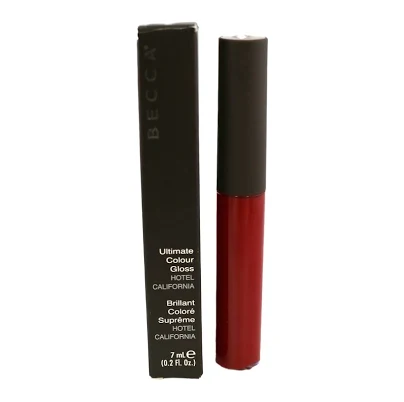
Becca Cosmetics · Lip Balm & Long-Wear Lipstick
Becca Ultimate Colour Gloss
Lower concern; no PFAS red flags, but brand offers no transparency.
This liquid gloss contains no documented PFAS concerns or waterproofing chemistry typical of high-risk products. Becca Cosmetics provides no public PFAS disclosure or third-party verification.
We flunk more products than we pass. This one earned its grade. How we grade
Material
liquid gloss base with pigments and conditioning agents
Brand disclosure
Brand is silent on PFAS
Lab data
No public lab test
What Becca Ultimate Colour Gloss is made of, ingredients and materials
Becca Ultimate Colour Gloss is a liquid cosmetic product combining oils, resins, and pigments typical of premium lip glosses. The "gloss base" typically consists of volatile silicones or mineral oils with film-forming resins to provide shine and wear, plus colorants and conditioning agents like vitamin E or botanical extracts. This formulation has lower inhalation risk from particulates than solid lip products because liquid bases minimize particulate inhalation and allow easier ingredient transparency. The pigments used in lip color, whether iron oxides, mica, or synthetic lakes, are regulated cosmetic colorants with established safety histories when used topically.
What’s concerning
Category baseline
The starting point for this type of product, before anything specific to this product is counted.
No PFAS disclosure
No public statement from the brand about PFAS in this product.
Fragrance allergens and irritation
Lip glosses typically contain fragrance compounds and essential oils to provide scent and flavor appeal. Becca does not disclose fragrance composition or allergen warnings specific to this gloss; individuals with sensitive lips or fragrance sensitivities may experience contact dermatitis or stinging, especially with repeated or prolonged wear.
Bacterial or fungal growth in liquid base
Lip glosses are water-based or oil-based liquids exposed to oral flora every use. If the applicator is contaminated or the product stored in heat, bacteria can multiply. Risk is low with proper storage and applicator hygiene, but not eliminated by brand design or packaging.
What’s reassuring
Base material not linked to PFAS
The main material recorded for this product is not one associated with PFAS.
Formaldehyde / VOCs
No public recalls or reports of formaldehyde releasers in Becca lip glosses. Modern liquid cosmetics typically use gentler preservatives (phenoxyethanol, sorbates), but brand does not explicitly disclose preservative identity for this product.
Source, ATSDR ↗Lead
FDA-approved cosmetic colorants (iron oxides, mica, synthetic lakes) used in lip glosses have trace-metal limits enforced at manufacture. No specific testing data published for Becca products, but compliance is expected given brand's Estée Lauder backing and absence of regulatory action.
Source, ATSDR ↗Talc contamination in pigments
Becca does not disclose whether mica or mineral-based colorants are talc-free. Modern cosmetic-grade mica is typically talc-free, but no independent testing of this specific gloss has been published.
The full breakdown
The brand's record and disclosure
Becca Cosmetics (owned by Estée Lauder Companies) does not publicly disclose detailed PFAS avoidance policies or ingredient sourcing commitments specific to this product line. The brand offers no third-party certifications (cruelty-free, non-GMO, or clean beauty standards) on this gloss. Estée Lauder as a parent company has faced no major product safety recalls tied to lip glosses in recent years, and Becca products are subject to FDA cosmetic compliance. However, the lack of proactive transparency about processing aids or fragrance allergens reflects a more traditional luxury cosmetics approach rather than a consumer-first disclosure model.
How it compares in its category
Becca glosses occupy the premium mid-to-high-end segment, positioned against brands like MAC Fix+, Charlotte Tilbury, and Fenty Beauty. Compared to drugstore alternatives (Maybelline, NYX), Becca products typically use higher-grade silicone or oil bases with better stability and lower risk of separation or bacterial growth. Versus indie clean-beauty brands (Glossier, Tower 28), Becca offers no explicit non-toxic or allergen-reduced positioning; it prioritizes performance and longevity over ingredient minimalism. The formulation is cosmetically sound but not differentiated by safety or sustainability claims.
If you buy it
Store the gloss at room temperature away from direct sunlight and heat to prevent base separation or pigment settling. Replace after 2-3 years or immediately if you notice odor change, texture separation, or any irritation. Avoid applying near the eye if you have a known sensitivity to synthetic fragrance or preservatives; if stinging occurs, discontinue and rinse. Do not heat or microwave the product, and keep the applicator clean between uses to prevent bacterial contamination of the liquid base.
What we don’t know
- Basis
- Model estimate, 62% confidence, not a lab result
- Lab test
- None on record for this exact product
- Brand statement
- Becca Cosmetics has made none
Formulations change between production runs, so check the current label. How we grade.
More lip balm & long-wear lipstick grades
How we score, every product runs through the same public 0-100 rubric based on materials, coatings, brand disclosure, lab findings, and recalls. See the full methodology → Spotted a mistake? Report an error.