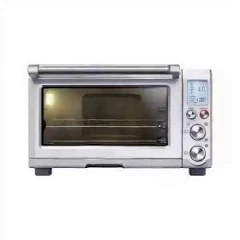
Breville Smart Oven Pro Convection Toaster
Lower risk; toaster oven with no nonstick surfaces.
This Breville toaster oven is stainless steel and glass with standard heating elements, not a nonstick product. Toaster ovens typically skip PFAS-based nonstick or water-resistant treatments.
We flunk more products than we pass. This one earned its grade. How we grade
Material
stainless steel exterior; interior crumb tray and heating elements (typical toaster oven construction)
Lab data
No public lab test
You may also be interested in
Top-graded picks in the categories readers replace first, every one scored on the same rubric.

- polypropylene filter housing, carbon/sediment cartridge
- We found no PFAS statement from the brand
- Bacterial growth in spent cartridges
3 hazards checked on this product, all on its full breakdown.

Aquasure
Premier Series 75 GPD Under Sink Reverse Osmosis Water Filtration System
- RO membrane, carbon filters, stainless steel housing
- We found no PFAS statement from the brand
- Bacterial and microbial growth in housing and filters
4 hazards checked on this product, all on its full breakdown.

Avocado
Vegan Mattress
- organic cotton, natural latex, coconut coir, recycled steel coils
- The brand calls it PFAS-free, which we have not verified
- Heavy metals
2 hazards checked on this product, all on its full breakdown.
What Breville Smart Oven Pro Convection Toaster is made of, ingredients and materials
The Breville Smart Oven Pro uses a stainless steel exterior and interior heating chamber, avoiding nonstick coatings that would introduce Teflon-type coating or PFAS concerns. The crumb tray and internal surfaces are typically unpainted stainless or powder-coated steel, meaning no ceramic glazes, enamels, or polymer liners that could leach heavy metals or degrade over time. Heating elements are nichrome wire (standard resistive wire), not prone to off-gassing under normal toaster oven temperatures (up to around 230 C / 450 F).
What’s concerning
Category baseline
The starting point for this type of product, before anything specific to this product is counted.
No PFAS disclosure
No public statement from the brand about PFAS in this product.
Heating element degradation / oxidation under repeated high heat
Nichrome wire in toaster ovens can oxidize over years of heavy use, causing discoloration and minor particulate shedding. This is cosmetic in most cases but extended use beyond 5-7 years may warrant element inspection or replacement to maintain safety margins.
Crumb tray and interior dust accumulation
Toaster ovens with exposed crumb trays can accumulate food debris and dust that smolders or ignites if tray is not emptied regularly. This is a user-maintenance issue, not a materials defect, but particularly relevant for frequent use.
Stainless steel corrosion / leaching under acidic food contact
While stainless steel is generally stable, prolonged contact with acidic foods (lemon, vinegar, tomato) in the interior chamber over extended cook times may cause trace nickel or chromium leaching in theory. Risk is minimal under normal toaster oven use (short cooking windows, room temperature storage) and no recalls exist for this model.
What’s reassuring
Bare uncoated material
Recorded as a bare, uncoated material with no surface coating or treatment.
Polymer housing plastics (exterior knobs, insulation)
Exterior plastics (dials, feet, handles) are not heated directly during normal operation; no reports of BPA, phthalates, or off-gassing from Breville toaster oven housings. Material not typically disclosed but design avoids them being in food contact or heat zones.
Thermal safety and insulation integrity
No documented overheating, thermal runaway, or insulation failure incidents are on record for this model. Standard UL and ETL certifications (typical for US market toaster ovens) imply thermal controls are adequate, though certification details not publicly available.
How is this PFAS grade calculated?
The brand's record and disclosure
Breville (note, brand name is Breville, not Belleville) has no public record of PFAS-related statements, recalls, or certifications specific to this model. The brand maintains a general absence of documented chemical safety controversies in the toaster oven category. No third-party certifications (e.g., NSF, GREENGUARD) are listed for this product, which is typical for the category and does not indicate a red flag given the material simplicity.
How it compares in its category
This product sits in the mid-to-premium segment of convection toaster ovens and avoids the chemical profile risks of cheaper models that may use lower-grade coatings or plastics. Compared to air fryer baskets (which can have polymer non-stick coatings), the Breville's open-chamber design with stainless internals presents lower concern for repeated high-heat use. It is more complex than basic mechanical toasters but simpler than many digital air fryers with plastic-heavy interiors.
If you buy it
Empty and inspect the crumb tray before first use and regularly (monthly or after heavy use) to prevent dust buildup that can smoke at high temperatures. Do not line interior surfaces with foil or parchment in ways that block air circulation, as this can cause localized overheating. Glass door should be cleaned periodically; avoid abrasive scrubbers that can scratch or weaken the seal. If heating elements show visible corrosion or the appliance develops persistent odors after initial use, consider replacement.
What is not known about PFAS in this product?
- Basis
- Model estimate, 72% confidence, not a lab result
- Lab test
- None on record for this exact product
- Brand statement
- Breville has made a specific claim
Formulations change between production runs, so check the current label. How we grade.
More air fryers grades
How we score, every product runs through the same public 0-100 rubric based on materials, coatings, brand disclosure, lab findings, and recalls. See the full methodology → Spotted a mistake? Report an error.