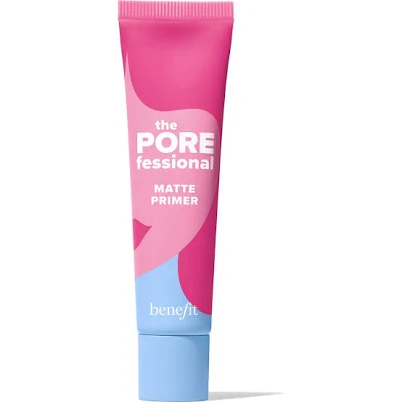
Benefit The POREfessional Matte Pore Minimizing Primer
Lower concern. Typical primer ingredients lack known PFAS links.
Benefit has not disclosed PFAS information for this primer. Standard cosmetic silicones and mineral pigments carry lower PFAS risk than water-resistant or grease-resistant treatments.
We flunk more products than we pass. This one earned its grade. How we grade
Material
silicone, talc, dimethicone, mineral pigments
Brand disclosure
Brand is silent on PFAS
Lab data
No public lab test
What Benefit The POREfessional Matte Pore is made of, ingredients and materials
This primer is a silicone-based formula combining dimethicone (a silicone oil that creates smoothing, long-wear film) with talc and mineral pigments for texture and coverage. Dimethicone is a well-established, inert cosmetic ingredient approved in most jurisdictions; it does not absorb into skin and sits as a barrier on the surface. Talc is the primary texture concern in this category, though mineral pigments are linked to lower concern for allergenic exposure compared to synthetic organic dyes.
What’s concerning
Category baseline
The starting point for this type of product, before anything specific to this product is counted.
No PFAS disclosure
No public statement from the brand about PFAS in this product.
Talc contamination and inhalation risk
Talc is listed as an ingredient in this primer. While talc is approved for cosmetic use, historic concerns about asbestos contamination in talc supplies and potential lung effects from inhaled powder remain contested. Risk is primarily inhalation during application if used as a powder; this liquid-to-cream primer format minimizes inhalation risk compared to loose powder products, but occasional in
Contact dermatitis and skin irritation from primer components
Silicone and talc can trigger contact dermatitis or irritation in sensitive individuals, though both are well-tolerated by the majority of users. Benefit does not state hypoallergenic status for this product, and no clinical sensitivity data specific to this formulation is publicly available. Users with known silicone or talc sensitivity should perform a patch test before full-face application.
What’s reassuring
Base material not linked to PFAS
The main material recorded for this product is not one associated with PFAS.
Fragrance allergens and fragrance disclosure
No fragrance is listed as a primary ingredient in the POREfessional formula. However, Benefit does not provide a full allergen disclosure or fragrance breakdown for this product on standard label information. If fragrance is present as a minor component, specific allergen details are not publicly available, which limits assessment for fragrance-sensitive users.
Heavy metals
Mineral pigments (iron oxides, mica, titanium dioxide) are the colorants in this primer. These are broadly considered low-risk cosmetic colorants, and no recalls or contamination reports specific to this product or batch have been publicly documented. Standard regulatory testing applies to cosmetic pigments in most markets, but Benefit does not disclose independent heavy metal testing for this pro
Source, FDA ↗Formaldehyde / VOCs
No formaldehyde or formaldehyde-releasing preservatives are listed in the published ingredient disclosure for this product. Most silicone primers use non-formaldehyde preservative systems (phenoxyethanol, methylisothiazolinone, or similar). No contamination recalls or independent testing flagging formaldehyde in this product have been reported.
Source, ATSDR ↗The full breakdown
The brand's record and disclosure
Benefit (owned by LVMH) does not publicly disclose detailed ingredient sourcing or third-party safety certifications beyond regulatory compliance. The brand has not faced major safety recalls or substantiated contamination claims in recent years. No formal certifications (cruelty-free, vegan, hypoallergenic) are claimed for this specific product, though the parent company has made some sustainability commitments at the corporate level that do not specifically address this primer.
How it compares in its category
Silicone primers dominate the pore-minimizing segment and are considered standard formulations; this product sits in the middle of the market in terms of ingredient transparency and ingredient simplicity. Many competing primers use identical or near-identical silicone and talc bases, making this representative rather than exceptional. The use of mineral pigments over synthetic dyes is a minor positive relative to some budget brands, though it is not a distinguishing feature.
If you buy it
Store in a cool, dry place away from direct sunlight to prevent silicone separation or oxidation. No special handling is required during use; silicone primers are stable on skin and do not release volatiles or fumes under normal conditions. Replace if the product separates visibly, hardens, or develops an off odor. If you have a known talc sensitivity or use talc-free cosmetics for health reasons, this product is not suitable; look for talc-free silicone primers as an alternative.
What we don’t know
- Basis
- Model estimate, 72% confidence, not a lab result
- Lab test
- None on record for this exact product
- Brand statement
- Benefit has made none
Formulations change between production runs, so check the current label. How we grade.
Better-graded alternatives in Foundation & Primer
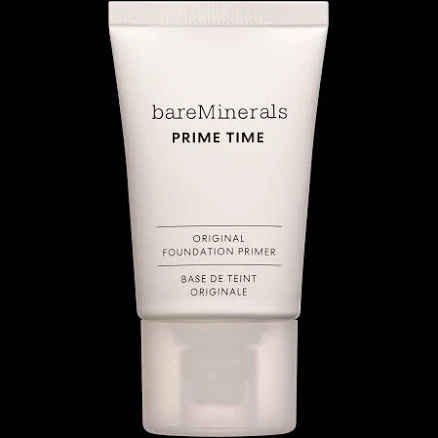
Bare Minerals
bareMinerals Original Prime Time Foundation Primer
- mineral powder, silicones, mica
- The brand calls it PFAS-free, which we have not verified
- Fragrance allergen sensitization
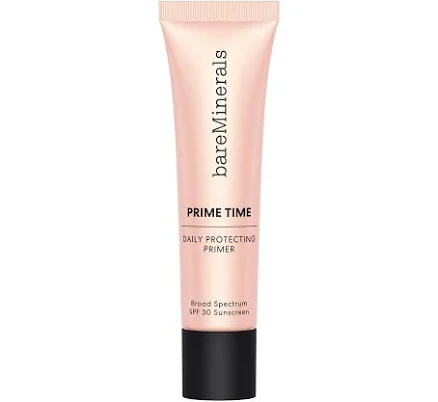
Bare Minerals
bareMinerals Prime Time Daily Protecting Primer SPF 30
- mineral powder, silica, mica, talc
- The brand calls it PFAS-free, which we have not verified
- Talc inhalation
2 hazards checked on this product. See all of them.
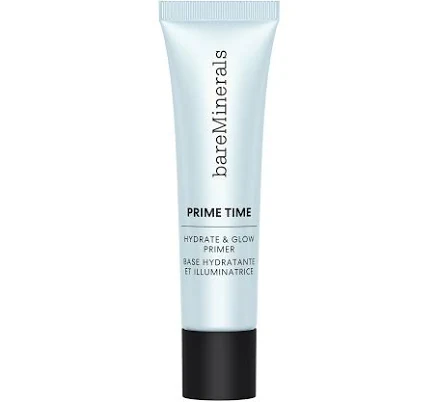
Bare Minerals
bareMinerals Prime Time Hydrate & Glow Primer
- mineral pigments, glycerin, plant extracts, silicones
- The brand calls it PFAS-free, which we have not verified
- Fragrance allergens and undisclosed fragrance components
2 hazards checked on this product. See all of them.
More foundation & primer grades
How we score, every product runs through the same public 0-100 rubric based on materials, coatings, brand disclosure, lab findings, and recalls. See the full methodology → Spotted a mistake? Report an error.