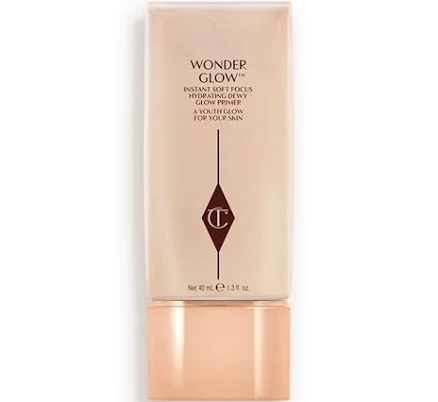
Charlotte Tilbury · Foundation & Primer
Charlotte Tilbury Wonderglow Primer
Skip until brand confirms PFAS status or testing.
Primer contains common cosmetic ingredients with lower PFAS concern. Charlotte Tilbury has not disclosed PFAS testing or claims, limiting confidence in this assessment.
We flunk more products than we pass. This one earned its grade. How we grade
Material
silicone, glycerin, mineral pigments
Lab data
No public lab test
What Charlotte Tilbury Wonderglow Primer is made of, ingredients and materials
Wonderglow Primer is formulated primarily with silicone (likely dimethicone or cyclomethicone) and glycerin, a humectant that draws moisture to skin. Mineral pigments provide color and light-reflecting properties. This silicone-based formulation is non-volatile and designed to sit on skin surface rather than absorb systemically, which reduces dermal penetration of individual ingredients. Glycerin is a well-established cosmetic humectant with no established toxicity concerns at typical use levels.
What’s concerning
Category baseline
The starting point for this type of product, before anything specific to this product is counted.
No PFAS disclosure
No public statement from the brand about PFAS in this product.
Heavy metals
Mineral pigments (iron oxides, titanium dioxide, mica) used in Wonderglow are regulated in cosmetics but can carry trace lead, cadmium, or arsenic depending on ore source and refining. Charlotte Tilbury does not publicly release heavy metal assay results or pigment sourcing details, so contamination risk cannot be ruled out.
Source, FDA ↗Fragrance allergens (undisclosed components)
Product contains fragrance or perfume compounds that are not individually itemized on the label; EU and FDA rules allow fragrance blends to be listed as single ingredients. This obscures potential allergens like linalool, limonene, or geraniol that may trigger contact dermatitis in sensitive individuals.
1,4-dioxane (process contaminant)
Glycerin used in cosmetics can harbor trace 1,4-dioxane as a byproduct of ethylene oxide sterilization or synthesis. Charlotte Tilbury does not publicly commit to dioxane-free sourcing or testing. Risk is typically low in rinse-off products but non-zero in leave-on primers.
Preservative allergens or irritants
Formulation likely contains preservatives (not disclosed on available marketing materials) to prevent microbial growth in the jar or bottle. Common cosmetic preservatives (parabens, phenoxyethanol, methylisothiazolinone) can trigger contact dermatitis or systemic sensitivity with repeated exposure in genetically predisposed individuals.
What’s reassuring
Base material not linked to PFAS
The main material recorded for this product is not one associated with PFAS.
Silicone accumulation on skin
Dimethicone and cyclomethicone are not systemically absorbed and do not bioaccumulate in organs. However, repeated layering without full cleansing can cause temporary pore blockage or milia (small white bumps); this is a cosmetic rather than toxicological concern.
The full breakdown
The brand's record and disclosure
Charlotte Tilbury (owned by Estee Lauder Companies) does not publicly disclose full ingredient sourcing, manufacturing certifications, or independent safety testing results on their website. The brand has no known major regulatory actions or product recalls on record. However, the brand has remained silent on PFAS testing and supply-chain screening, which is standard practice among leading prestige cosmetics brands; this silence creates uncertainty around potential contamination from mineral pigments or manufacturing aids.
How it compares in its category
Silicone-based primers are common in the prestige cosmetics segment and generally carry lower volatile organic compound (VOC) risk than water-based or alcohol-heavy alternatives. Mineral pigment primers are typical for this category. Transparency on heavy metal testing in pigments and PFAS screening varies widely among competitors; some indie and certified brands publish third-party assay results, while major prestige brands (including Charlotte Tilbury) typically do not.
If you buy it
Patch-test on inner arm or behind ear for 24-48 hours before full facial application, especially if you have sensitive skin or a history of cosmetic reactions. Store in a cool, dry place away from direct heat or sunlight; silicone primers are stable but mineral pigments can separate if exposed to temperature extremes. Replace if color separates, odor changes, or irritation develops. Do not ingest; keep away from eyes and broken skin.
What we don’t know
- Basis
- Model estimate, 72% confidence, not a lab result
- Lab test
- None on record for this exact product
- Brand statement
- Charlotte Tilbury has made a specific claim
Formulations change between production runs, so check the current label. How we grade.
Better-graded alternatives in Foundation & Primer
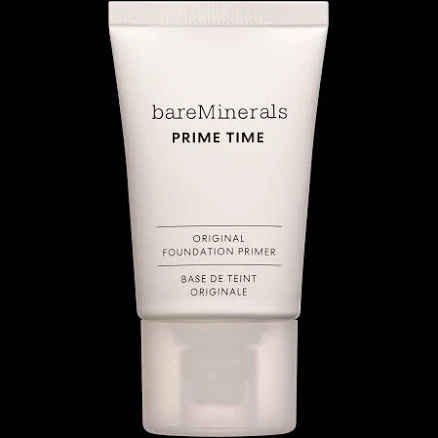
Bare Minerals
bareMinerals Original Prime Time Foundation Primer
- mineral powder, silicones, mica
- The brand calls it PFAS-free, which we have not verified
- Fragrance allergen sensitization
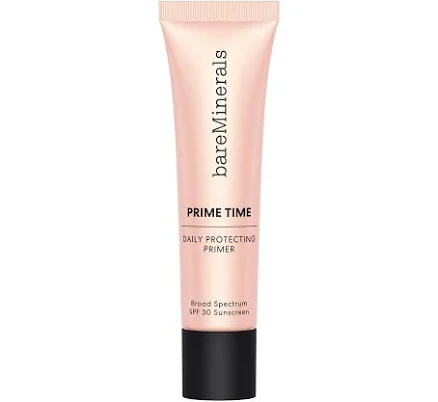
Bare Minerals
bareMinerals Prime Time Daily Protecting Primer SPF 30
- mineral powder, silica, mica, talc
- The brand calls it PFAS-free, which we have not verified
- Talc inhalation
2 hazards checked on this product. See all of them.
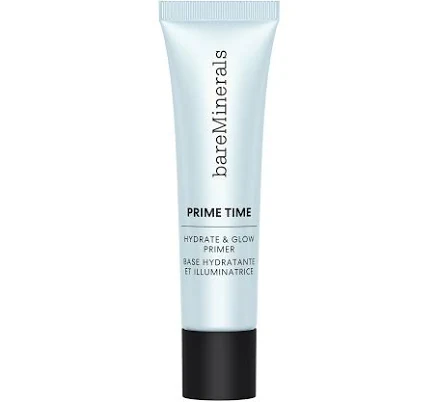
Bare Minerals
bareMinerals Prime Time Hydrate & Glow Primer
- mineral pigments, glycerin, plant extracts, silicones
- The brand calls it PFAS-free, which we have not verified
- Fragrance allergens and undisclosed fragrance components
2 hazards checked on this product. See all of them.
More foundation & primer grades
How we score, every product runs through the same public 0-100 rubric based on materials, coatings, brand disclosure, lab findings, and recalls. See the full methodology → Spotted a mistake? Report an error.