Neutrogena · Foundation & Primer
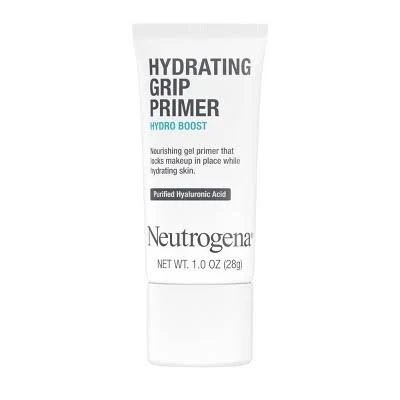
Neutrogena Hydrating Grip Primer Hydro Boost Hyaluronic Acid
Lower PFAS concern, typical cosmetic primer formula.
Hydrating liquid primer contains no known PFAS-prone ingredients like aqueous film-forming foams or Teflon-family coating coatings. Standard cosmetic emulsifiers and silicones used; no public PFAS detection reported.
We flunk more products than we pass. This one earned its grade. How we grade
Material
Water-based liquid primer with hyaluronic acid, silicone, glycerin
Lab data
No public lab test
What Neutrogena Hydrating Grip Primer Hydro is made of, ingredients and materials
This primer is a water-based emulsion combining hyaluronic acid (a humectant that draws moisture into skin), silicones (for smooth application and adhesion), and glycerin (a humectant and skin conditioner). The water-forward base means fewer volatile organic compounds (VOCs) and reduced skin penetration risk compared to solvent-heavy formulas. Hyaluronic acid itself is a large polymer rarely absorbed through intact skin, making it functionally inert as a topical ingredient.
What’s concerning
Category baseline
The starting point for this type of product, before anything specific to this product is counted.
No PFAS disclosure
No public statement from the brand about PFAS in this product.
Fragrance allergens and undisclosed components
Product listing does not specify fragrance type or whether fragrance allergens (e.g., limonene, linalool) are present. Neutrogena does not uniformly list fragrance components on product labels, leaving individual allergen risk unquantifiable without direct inspection of the packaging or full ingredient disclosure.
1,4-dioxane contamination
Water-based emulsions can harbor trace 1,4-dioxane as a manufacturing byproduct of ethoxylation in surfactants or emulsifiers, though levels in rinse-off cosmetics are typically below regulatory concern thresholds. Neutrogena does not publish testing data for this contaminant.
Silicone accumulation on skin
Repeated use of silicone-based primers without adequate cleansing may lead to buildup on the skin surface, potentially trapping bacteria or exacerbating acne-prone conditions in susceptible individuals. This is a cosmetic inconvenience rather than a toxicological hazard.
What’s reassuring
Base material not linked to PFAS
The main material recorded for this product is not one associated with PFAS.
Formaldehyde / VOCs
No preservative system or ingredient list publicly available that would indicate formaldehyde-releasing preservatives (e.g., DMDM hydantoin, imidazolidinyl urea). Water-based formulas typically use phenoxyethanol or parabens, which are not formaldehyde donors.
Source, ATSDR ↗Heavy metals
As a clear or translucent primer without colorants, this product contains no iron oxides, titanium dioxide, or synthetic colorants that would be sources of lead, cadmium, or arsenic contamination.
Source, FDA ↗The full breakdown
The brand's record and disclosure
Neutrogena is owned by Johnson & Johnson and subject to FDA cosmetic regulations and J&J's internal safety protocols. The brand does not publicly disclose detailed ingredient sourcing or PFAS testing results as standard practice, though this is typical across mainstream cosmetic lines rather than indicative of higher risk. No significant recalls or safety controversies specific to primers or this product line are documented in public records. The brand maintains dermatologist-testing claims but does not publish third-party certifications (e.g., EWG verification or clean beauty certifications).
How it compares in its category
Water-based primers like this occupy the mainstream safety tier. It is formulated without known problematic additives like talc or bismuth oxychloride common in mineral primers, and avoids silicone-only formulas that can trap bacteria if improperly stored. Compared to pore-filling primers with synthetic polymers or alcohol bases, this hydrating approach presents lower volatility and irritation potential. It is positioned as suitable for sensitive skin, which typically correlates with avoidance of known allergens.
If you buy it
Store in a cool, dry place away from direct sunlight to prevent degradation of hyaluronic acid and silicone emulsion stability, though the product has a standard 12-24 month shelf life if unopened. Keep the cap sealed tightly to prevent bacterial contamination via moisture exposure. If you notice separation, discoloration, or odor change, discard the product. Patch test on a small area of skin before full-face application if you have sensitive skin or a history of cosmetic reactions.
What we don’t know
- Basis
- Model estimate, 82% confidence, not a lab result
- Lab test
- None on record for this exact product
- Brand statement
- Neutrogena has made a specific claim
Formulations change between production runs, so check the current label. How we grade.
Better-graded alternatives in Foundation & Primer
Bare Minerals
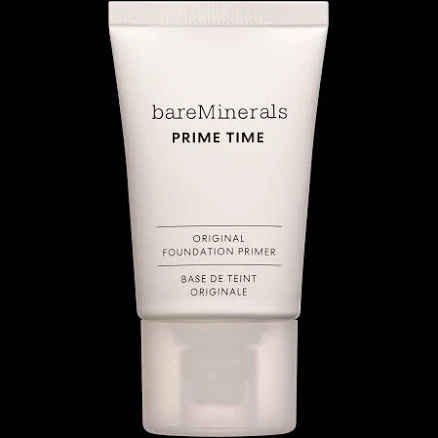
bareMinerals Original Prime Time Foundation Primer
- mineral powder, silicones, mica
- The brand calls it PFAS-free, which we have not verified
- Fragrance allergen sensitization
Bare Minerals
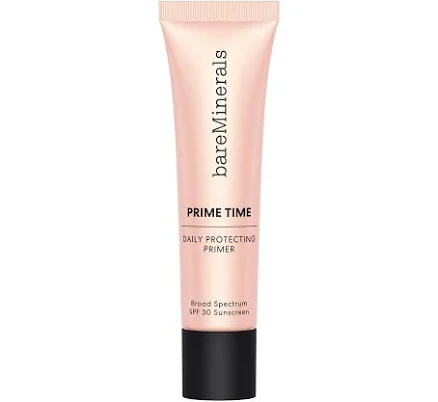
bareMinerals Prime Time Daily Protecting Primer SPF 30
- mineral powder, silica, mica, talc
- The brand calls it PFAS-free, which we have not verified
- Talc inhalation
2 hazards checked on this product. See all of them.
Bare Minerals
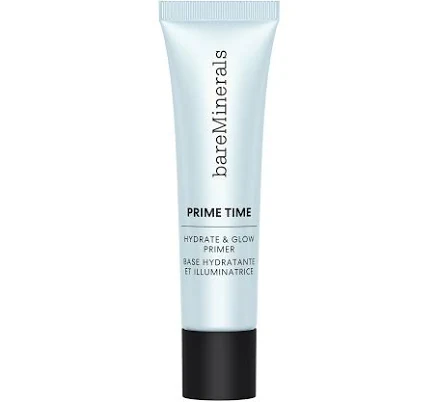
bareMinerals Prime Time Hydrate & Glow Primer
- mineral pigments, glycerin, plant extracts, silicones
- The brand calls it PFAS-free, which we have not verified
- Fragrance allergens and undisclosed fragrance components
2 hazards checked on this product. See all of them.
More foundation & primer grades
How we score, every product runs through the same public 0-100 rubric based on materials, coatings, brand disclosure, lab findings, and recalls. See the full methodology → Spotted a mistake? Report an error.