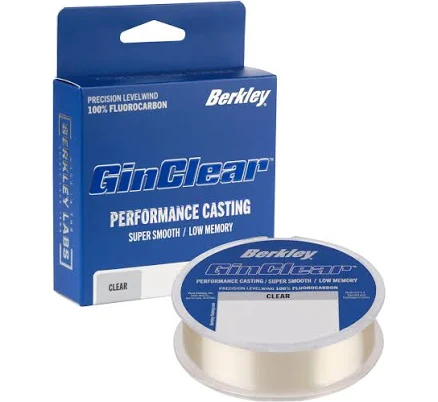
Berkley Fluorocarbon GinClear Line
Fluorocarbon line likely contains PFAS, brand silent.
Berkley Fluorocarbon GinClear is monofilament made from synthetic fluorocarbon polymer, a class commonly associated with PFAS chemicals. Manufacturer provides no disclosure or testing data.
The better-graded swap
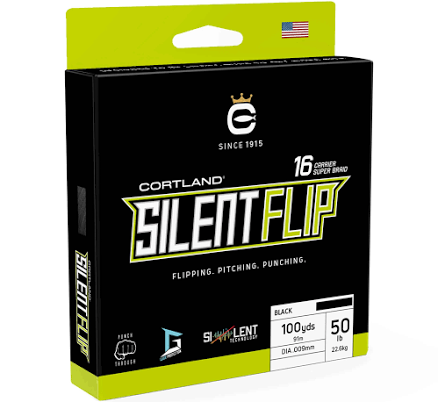
Cortland
Cortland Silent Flip Braided Fishing Line
85/100 safety
Same rubric that flunked this product. The swap earned Excellent.
Still want this one anyway? Check the price on Amazon. We’d swap it.
Material
Fluorocarbon monofilament fishing line
Brand disclosure
Brand is silent on PFAS
Lab data
No public lab test
What Berkley Fluorocarbon GinClear Line is made of, ingredients and materials
Berkley Fluorocarbon GinClear is a monofilament fishing line composed of polyvinylidene fluoride (PVDF) or related Teflon-family coating, materials engineered for water resistance and low visibility underwater. Fluorocarbon inherently contains fluorine-carbon bonds, the defining chemistry of PFAS "forever chemicals" (PFAS). Unlike Teflon-type coating (Teflon), which sheds in cookware fumes, fluorocarbon line does not pose acute thermal fume hazards under normal fishing use; however, the material itself persists in the environment indefinitely once lost or discarded.
What’s concerning
Category baseline
The starting point for this type of product, before anything specific to this product is counted.
No PFAS disclosure
No public statement from the brand about PFAS in this product.
Fluoropolymer detected
A Teflon-family coating is recorded for this product.
PFAS
Fluorocarbon monofilament is a solid PFAS polymer; any lost line entering waterways or soil will persist indefinitely and poses chronic environmental contamination risk, though direct human ingestion during fishing use is negligible.
Source, ATSDR ↗Environmental microparticle shedding
Fluorocarbon line degrades slowly under UV and mechanical stress, potentially releasing submicron Teflon-family coating particles into water; bioavailability to aquatic life is not fully characterized in peer literature.
Incineration byproduct risk
If fluorocarbon line is incinerated improperly, thermal breakdown may generate volatile fluorinated compounds; proper waste-to-energy facilities are equipped to handle this, but informal burning poses localized emission hazard.
Tangle and wildlife entanglement
Monofilament line, including fluorocarbon, is documented as a leading cause of bird, fish, and marine mammal entanglement; fluorocarbon's low visibility makes it harder for wildlife to detect and avoid.
Transparency and informed choice gap
Berkley does not disclose specific fluorocarbon chemistry (PVDF vs. PVF), manufacturing additives, or end-of-life pathways; consumers cannot assess alternatives or advocate for lower concern reformulation.
The full breakdown
The brand's record and disclosure
Berkley (owned by Pure Fishing Inc.) has not published public commitments to PFAS phase-out, ingredient transparency, or end-of-life recovery for fishing line products. No independent certifications (such as bluesign or similar environmental standards) are documented for this line. The brand's silence on fluorocarbon composition means consumers cannot verify whether line contains legacy PFAS variants, degradation products, or manufacturing additives.
How it compares in its category
Fluorocarbon monofilament is chosen by anglers for low visibility and abrasion resistance but all fluorocarbon lines share the PFAS footprint. Nylon monofilament alternatives (such as standard Berkley Trilene) eliminate fluorocarbon chemistry but remain persistent in environment; braided polyethylene and copolymer lines offer faster degradation in some freshwater conditions. No fishing line category currently offers certified PFAS-free performance at comparable durability.
If you buy it
Fluorocarbon line presents lower concern for leaching into skin or water during casting and use. Always retrieve lost line; improper disposal (landfill or littering) ensures PFAS enters soil and groundwater. Replace line annually or when frayed; used fluorocarbon cannot be recycled through standard programs and should be disposed as hazardous waste where programs exist. Store in cool, dry conditions away from direct sunlight to prevent embrittlement.
What we don’t know
- Basis
- Model estimate, 45% confidence, not a lab result
- Lab test
- None on record for this exact product
- Brand statement
- Berkley has made none
Formulations change between production runs, so check the current label. How we grade.
Better-graded alternatives in Fishing Line
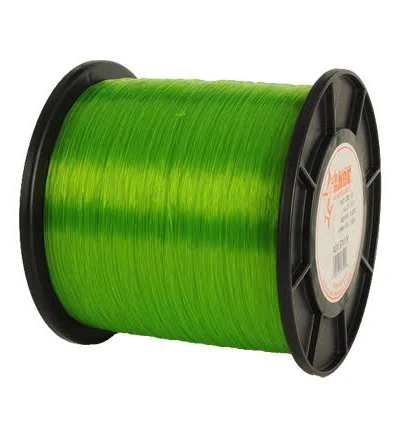
Ande
Monofilament
- Monofilament nylon fishing line
- We found no PFAS statement from the brand
- Microplastic shedding during use
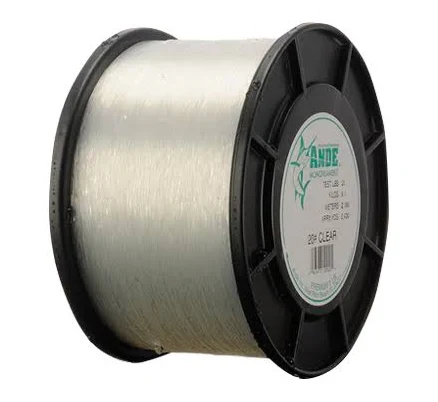
Ande
Premium Monofilament (Bulk) 100LB BY THE YARD
- Monofilament nylon fishing line
- We found no PFAS statement from the brand
- Microplastic fragmentation
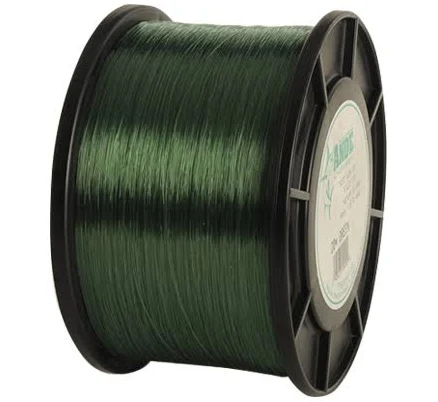
Ande
Premium Green 1/4 Spool
- Monofilament nylon fishing line
- We found no PFAS statement from the brand
- UV degradation and polymer brittleness
2 hazards checked on this product. See all of them.
More fishing line grades
How we score, every product runs through the same public 0-100 rubric based on materials, coatings, brand disclosure, lab findings, and recalls. See the full methodology → Spotted a mistake? Report an error.