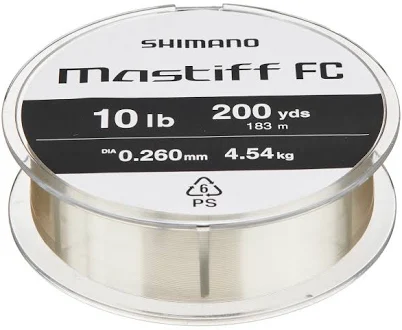
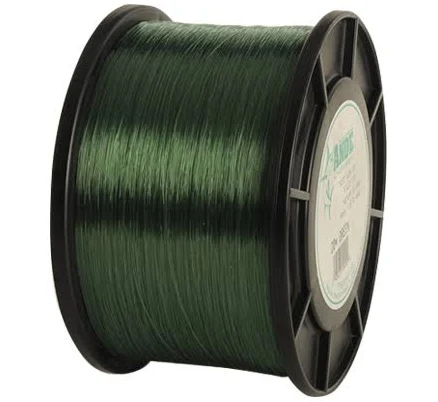
Shimano Mastiff FC Fluorocarbon Line
Skip unless fluorocarbon is essential; PFAS is built into this material.
Shimano's fluorocarbon line is a Teflon-family coating by design, making PFAS-class chemistry integral to its performance. Shimano discloses nothing, and fluorocarbon lines lack robust consumer lab studies.
The better-graded swap
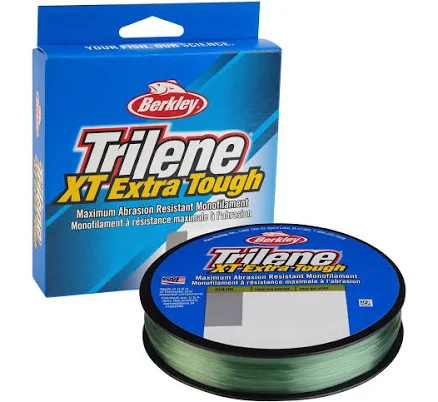
Berkley
Berkley Trilene XT Monofilament Fishing Line
85/100 safety
Same rubric that flunked this product. The swap earned Excellent.
Still want this one anyway? Check the price on Amazon. We’d swap it.
Material
Fluorocarbon fishing line (PVDF or similar polyvinylidene fluoride)
Brand disclosure
Brand is silent on PFAS
Lab data
No public lab test
You may also be interested in
Top-graded picks in the categories readers replace first, every one scored on the same rubric.

- polypropylene filter housing, carbon/sediment cartridge
- We found no PFAS statement from the brand
- Bacterial growth in spent cartridges
3 hazards checked on this product, all on its full breakdown.

Aquasure
Premier Series 75 GPD Under Sink Reverse Osmosis Water Filtration System
- RO membrane, carbon filters, stainless steel housing
- We found no PFAS statement from the brand
- Bacterial and microbial growth in housing and filters
4 hazards checked on this product, all on its full breakdown.

Avocado
Vegan Mattress
- organic cotton, natural latex, coconut coir, recycled steel coils
- The brand calls it PFAS-free, which we have not verified
- Heavy metals
2 hazards checked on this product, all on its full breakdown.
What Shimano Mastiff FC Fluorocarbon Line is made of, ingredients and materials
Shimano Mastiff FC is polyvinylidene fluoride (PVDF) or related Teflon-family coating, chosen for low visibility underwater and abrasion resistance. Fluorocarbon's chemical structure contains fluorine atoms bonded to carbon, making PFAS (PFAS "forever chemicals") intrinsic to the material rather than an additive. This means the PFAS content cannot be removed without changing the product fundamentally. Unlike some fluorocarbon lines, there is no public evidence Shimano has reformulated or disclosed PFAS levels for this product.
What’s concerning
Category baseline
The starting point for this type of product, before anything specific to this product is counted.
No PFAS disclosure
No public statement from the brand about PFAS in this product.
Fluoropolymer detected
A Teflon-family coating is recorded for this product.
PFAS
Fluorocarbon (PVDF) is chemically composed of carbon-fluorine bonds; PFAS is not an additive but a core component. No independent testing data publicly available for Mastiff FC specifically, but all PVDF fishing lines carry significant fluorine burden.
Source, ATSDR ↗Microplastic shedding from line degradation
Fluorocarbon lines can crack, fray, or degrade under UV exposure and mechanical stress. Broken segments entering aquatic environments may be ingested by fish. Risk is present but depends on handling, storage, and disposal practices.
Environmental persistence and bioaccumulation
PFAS compounds from fluorocarbon fishing line fragments have been detected in freshwater and marine environments. Unlike organic polymers, PFAS do not degrade readily and accumulate in sediment and aquatic organisms over time.
Coating embrittlement and loss of integrity
Extended UV exposure, temperature cycling, or chemical contact (sunscreen, insect repellent) may cause fluorocarbon line to become brittle and fray. Compromised line releases more microparticles into water.
What’s reassuring
Heavy metals
Fluorocarbon line production does not typically require lead, cadmium, or phthalate additives. No recalls or test reports of metallic contamination in Shimano Mastiff FC are on public record.
Source, FDA ↗How is this PFAS grade calculated?
The brand's record and disclosure
Shimano is a major fishing-gear manufacturer with no publicly available PFAS disclosure statements or commitment to phase out fluorocarbon. The company has not published independent testing data for PFAS content in Mastiff FC or pledged to transition to non-fluorocarbon alternatives. Industry-wide, fluorocarbon line producers remain largely silent on PFAS awareness, treating it as an unavoidable material property rather than a transparency issue.
How it compares in its category
Fluorocarbon lines occupy a niche in fishing for situations requiring low visibility and high abrasion resistance (saltwater, rocky structure). Monofilament nylon and braided polyester lines avoid the PFAS burden but sacrifice underwater stealth and some durability. High-end competitors (Seaguar, Yo-Zuri) make similar PVDF products with identical PFAS profiles; no major brand has published lower-PFAS alternatives in the fluorocarbon segment. Shimano Mastiff is mid-range in price and reputation within the fluorocarbon category.
If you buy it
Store in a cool, dry place away from direct sunlight to prevent brittleness over time. Inspect for cracks or cloudiness before each use; replace immediately if coating shows signs of breakdown, as this may accelerate PFAS leaching in water. Do not incinerate spent line; dispose via solid waste to avoid airborne PFAS release. Rinse after saltwater use to minimize environmental load. Consider monofilament alternatives for applications where fluorocarbon's invisibility is not critical.
What is not known about PFAS in this product?
- Basis
- Model estimate, 72% confidence, not a lab result
- Lab test
- None on record for this exact product
- Brand statement
- Shimano has made none
Formulations change between production runs, so check the current label. How we grade.
What are the PFAS-free alternatives to Shimano Mastiff FC Fluorocarbon Line?
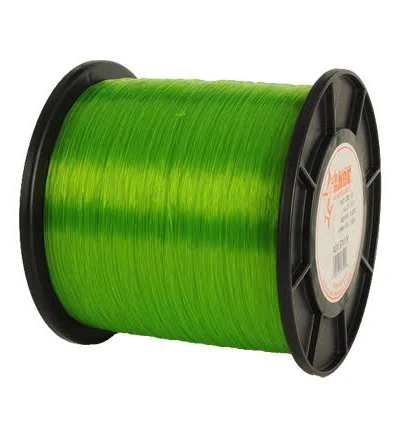
- Monofilament nylon fishing line
- We found no PFAS statement from the brand
- Microplastic shedding during use
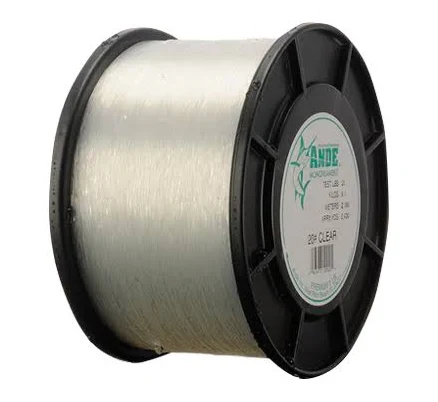
- Monofilament nylon fishing line
- We found no PFAS statement from the brand
- Microplastic fragmentation
- Monofilament nylon fishing line
- We found no PFAS statement from the brand
- UV degradation and polymer brittleness
2 hazards checked on this product, all on its full breakdown.
More fishing line grades
How we score, every product runs through the same public 0-100 rubric based on materials, coatings, brand disclosure, lab findings, and recalls. See the full methodology → Spotted a mistake? Report an error.