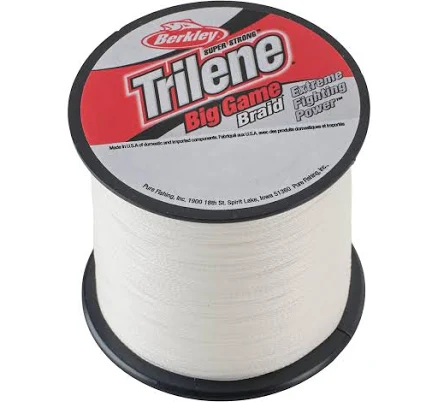
Berkley Trilene Big Game Braid
Low concern; braided polyethylene is not a typical PFAS application.
This braided polyethylene line lacks Teflon-family coating or water-repellent treatment typical of PFAS products. Berkley provides no PFAS transparency, limiting confidence despite the basic synthetic fiber design.
We flunk more products than we pass. This one earned its grade. How we grade
Material
Braided polyethylene fishing line
Brand disclosure
Brand is silent on PFAS
Lab data
No public lab test
You may also be interested in
Top-graded picks in the categories readers replace first, every one scored on the same rubric.

- polypropylene filter housing, carbon/sediment cartridge
- We found no PFAS statement from the brand
- Bacterial growth in spent cartridges
3 hazards checked on this product, all on its full breakdown.

Aquasure
Premier Series 75 GPD Under Sink Reverse Osmosis Water Filtration System
- RO membrane, carbon filters, stainless steel housing
- We found no PFAS statement from the brand
- Bacterial and microbial growth in housing and filters
4 hazards checked on this product, all on its full breakdown.

Avocado
Vegan Mattress
- organic cotton, natural latex, coconut coir, recycled steel coils
- The brand calls it PFAS-free, which we have not verified
- Heavy metals
2 hazards checked on this product, all on its full breakdown.
What Berkley Trilene Big Game Braid is made of, ingredients and materials
Berkley Trilene Big Game Braid is a braided polyethylene (PE) fishing line, meaning short strands of plastic polymer are woven together rather than extruded as a solid strand. Polyethylene is one of the most inert and chemically stable plastics in consumer use, with no known migration of toxic additives under typical fishing conditions (freshwater or saltwater immersion at ambient temperatures). The braided construction provides strength and flexibility without requiring chemical coatings or resin additives that might leach into water or be handled directly.
What’s concerning
Category baseline
The starting point for this type of product, before anything specific to this product is counted.
No PFAS disclosure
No public statement from the brand about PFAS in this product.
Polyethylene microfiber shedding
Braided lines naturally fray and shed small plastic fibers during use and storage. No documented health hazard from fishing line microfiber exposure in available literature, but fibers can enter water and are not biodegradable; this is an environmental rather than consumer toxicity concern.
What’s reassuring
Base material not linked to PFAS
The main material recorded for this product is not one associated with PFAS.
UV degradation and brittle fracture
Polyethylene degrades mechanically under sunlight, becoming brittle rather than releasing chemical compounds. This creates a functional safety issue (line breaking unexpectedly) but no chemical toxicity hazard.
Colorant or UV stabilizer additives
Berkley does not disclose additives in Trilene Big Game Braid. Standard polyethylene fishing line may contain carbon black or proprietary colorants, but polyethylene's chemical stability means leaching into freshwater or saltwater under normal conditions is not established as a documented hazard.
Heavy metals
No recalls or test results on record for lead, cadmium, or other heavy metals in this fishing line. Polyethylene colorants are typically organic dyes or carbon-based; regulatory exposure for fishing line colorants is minimal.
Source, FDA ↗How is this PFAS grade calculated?
The brand's record and disclosure
Berkley (owned by Pure Fishing, a subsidiary of Rapala VMC) has no public PFAS disclosures or certifications for fishing line products. The company does not appear on major transparency databases for chemical safety in sporting goods. No recalls specific to Trilene Big Game Braid for chemical contamination have been documented by CPSC or fishing industry sources. Berkley maintains general safety pages but does not provide component-level material safety data for fishing lines.
How it compares in its category
Braided polyethylene lines like this are chemically comparable to most mass-market braided fishing lines (Shimano, Spiderwire, PowerPro). They are considered lower-hazard than monofilament lines, which may use UV stabilizers, plasticizers, or colorant additives that could leach in very small amounts under extreme heat or UV exposure. Premium or specialty lines sometimes disclose additives; Berkley does not, but polyethylene's stability makes additive leaching unlikely in normal use. This line sits in the mainstream safety profile for its category.
If you buy it
Rinse the line after saltwater use to remove salt deposits and extend lifespan; this is standard care and not a safety measure. Store spools in a cool, dry place away from direct sunlight to slow UV degradation, which can eventually degrade the polymer mechanically but does not create chemical hazards. Replace line annually or after visible fraying, heavy use, or discoloration; old line has no documented toxicity risk but becomes brittle and unsafe for fishing. Wash hands after extended handling if you have sensitive skin, as braided lines can shed microfibers, though ingestion or inhalation risk is negligible in sport fishing.
What is not known about PFAS in this product?
- Basis
- Model estimate, 72% confidence, not a lab result
- Lab test
- None on record for this exact product
- Brand statement
- Berkley has made none
Formulations change between production runs, so check the current label. How we grade.
More fishing line grades
How we score, every product runs through the same public 0-100 rubric based on materials, coatings, brand disclosure, lab findings, and recalls. See the full methodology → Spotted a mistake? Report an error.