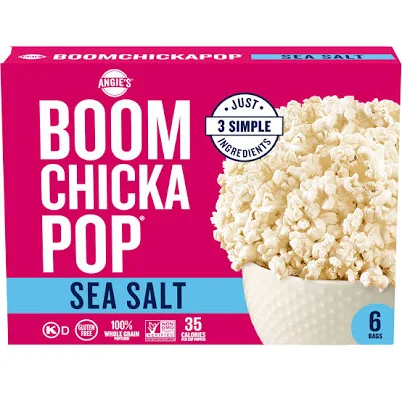
Angie's BoomChickaPop Microwave Popcorn Sea Salt
Microwave popcorn bags likely contain PFAS for grease resistance. Skip if concerned.
Microwave popcorn bags use grease-resistant coatings, commonly PFAS-based. Brand does not disclose ingredient information. Higher caution warranted for food-contact applications.
The better-graded swap
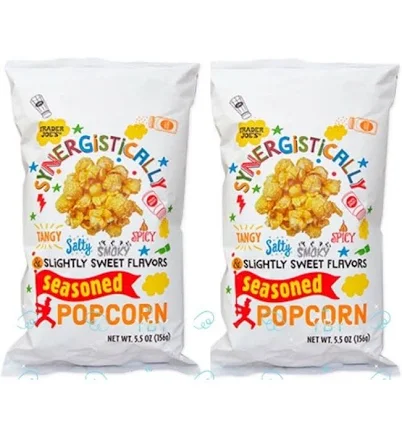
Trader Joe's
2 Packs Trader Joe's Synergistically Seasoned Popcorn 5.5 Oz Each Pack
70/100 safety
Same rubric that flunked this product. The swap earned Good.
Still want this one anyway? Check the price on Amazon. We’d swap it.
Material
microwave popcorn bag with grease-resistant paper lining
Brand disclosure
Brand is silent on PFAS
Lab data
No public lab test
You may also be interested in
Top-graded picks in the categories readers replace first, every one scored on the same rubric.

- polypropylene filter housing, carbon/sediment cartridge
- We found no PFAS statement from the brand
- Bacterial growth in spent cartridges
3 hazards checked on this product, all on its full breakdown.

Aquasure
Premier Series 75 GPD Under Sink Reverse Osmosis Water Filtration System
- RO membrane, carbon filters, stainless steel housing
- We found no PFAS statement from the brand
- Bacterial and microbial growth in housing and filters
4 hazards checked on this product, all on its full breakdown.

Avocado
Vegan Mattress
- organic cotton, natural latex, coconut coir, recycled steel coils
- The brand calls it PFAS-free, which we have not verified
- Heavy metals
2 hazards checked on this product, all on its full breakdown.
What Angie's BoomChickaPop Popcorn Sea Salt is made of, ingredients and materials
Angie's BoomChickaPop microwave popcorn is packaged in a paper bag with a grease-resistant polymer lining, a standard design in the category. That lining is almost certainly fluorinated (PFAS-based) to repel oil and moisture during cooking and storage. The bag is designed to be heated in a microwave, which may increase PFAS migration into the popcorn, particularly if the bag interior contacts the kernels directly or if cooking time exceeds package instructions.
What’s concerning
Waterproof / stain-resistant treatment
Water-repellent coating treatments have historically used PFAS.
Category baseline
The starting point for this type of product, before anything specific to this product is counted.
No PFAS disclosure
No public statement from the brand about PFAS in this product.
PFAS
Microwave popcorn bags routinely use PFAS-based water and oil repellent linings. Heat during cooking may accelerate migration into food, especially kernels in direct contact with the bag interior. No brand-specific testing data is public.
Source, ATSDR ↗Polymer migration from bag lining during heating
Extended microwave heating or overheating can degrade polymer coatings and increase leachate. Risk is higher if the bag is punctured, torn, or if liquid/oil pools against the lining before cooking completes.
Inhalation of bag fumes during opening
Hot microwave popcorn bags may release volatile organic compounds (VOCs) from the polymer lining and adhesives. Opening immediately after cooking increases inhalation exposure; this is not unique to the brand but is inherent to the microwave bag format.
Coating degradation and particulate release over storage time
Paper bags with polymer linings can degrade if stored in warm, humid, or direct sunlight for extended periods, potentially releasing particles into the product. Proper cool, dry storage minimizes this risk.
What’s reassuring
Ingredient additives in popcorn itself
The brand's ingredient list (popcorn, coconut oil, sea salt) is straightforward and does not include diacetyl, artificial colors, or other additives of concern on record. No safety alerts have been issued for this formulation.
How is this PFAS grade calculated?
The brand's record and disclosure
The brand has not published a public commitment to remove PFAS from microwave popcorn packaging or to disclose PFAS use. The brand does market products as non-GMO and uses simple ingredient lists (popcorn, sea salt, coconut oil), but does not address food-contact packaging safety in marketing or on its website. No recalls or formal safety controversies have been publicly linked to this product.
How it compares in its category
Nearly all conventional microwave popcorn bags use PFAS-based grease-resistant linings; The brand is not an outlier. Some brands (notably some organic or eco-focused lines) have begun exploring PFAS-free alternatives, though availability is limited and cost is higher. Most major popcorn manufacturers, including Orville Redenbacher and Pop Secret, use similar PFAS-containing bags and have made no public commitments to phase them out.
If you buy it
Follow package cooking instructions precisely; do not extend microwave time or overheat the bag. Allow the bag to cool before opening to minimize inhalation of any vapors. For frequent consumers, consider switching to stovetop popcorn in glass or stainless steel pots, which eliminates food-contact PFAS from packaging entirely. Store unopened bags in a cool, dry place away from heat sources to slow any polymer degradation.
What is not known about PFAS in this product?
- Basis
- Model estimate, 45% confidence, not a lab result
- Lab test
- None on record for this exact product
- Brand statement
- has made none
Formulations change between production runs, so check the current label. How we grade.
What are the PFAS-free alternatives to Angie's BoomChickaPop Microwave Popcorn Sea Salt?
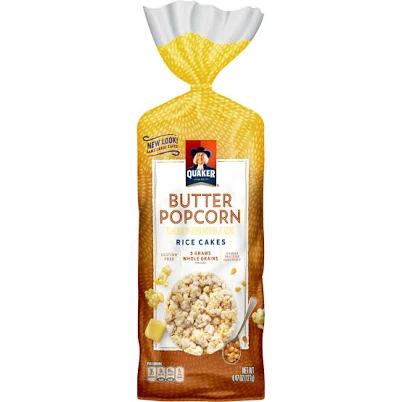
- puffed rice cakes in paperboard packaging
- We found no PFAS statement from the brand
- Mold or bacterial growth in packaging
- paperboard popcorn bag, grease-resistant interior lining
- We found no PFAS statement from the brand
- Moisture and mold risk if bag is compromised
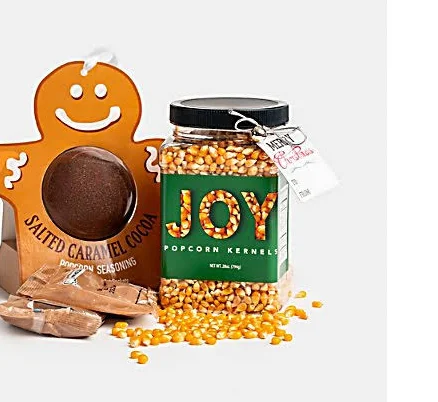
- paper-based food packaging with standard coating
- We found no PFAS statement from the brand
- Ink migration (printing on exterior or interior)
3 hazards checked on this product, all on its full breakdown.
More microwave popcorn grades
How we score, every product runs through the same public 0-100 rubric based on materials, coatings, brand disclosure, lab findings, and recalls. See the full methodology → Spotted a mistake? Report an error.