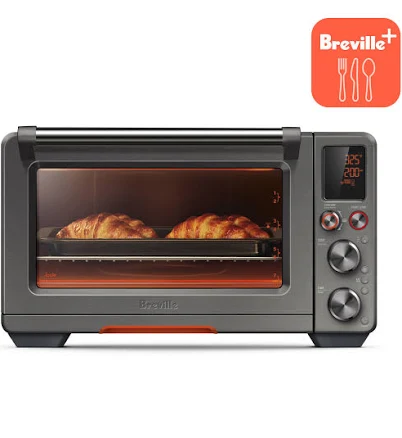
Breville Joule Oven Air Fryer Pro
Cooking surface coatings lack transparency; PFAS risk remains unclear without disclosure.
The Joule Oven Pro's interior cooking surface composition is not disclosed by Breville. Without material details or independent tests, PFAS presence can't be ruled out.
The better-graded swap
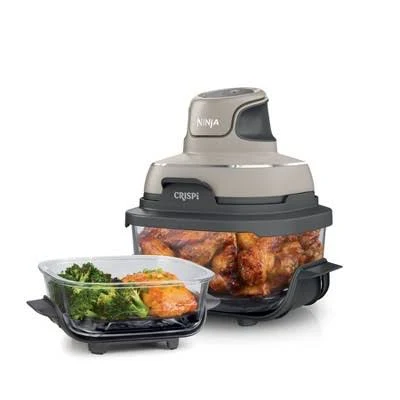
Ninja
Ninja Crispi 4-in-1 Portable Glass Air Fryer Cooking System
75/100 safety
Same rubric that flunked this product. The swap earned Excellent.
Still want this one anyway? Check the price on Amazon. We’d swap it.
Material
Stainless steel body; interior cooking surfaces unspecified
Lab data
No public lab test
You may also be interested in
Top-graded picks in the categories readers replace first, every one scored on the same rubric.

- polypropylene filter housing, carbon/sediment cartridge
- We found no PFAS statement from the brand
- Bacterial growth in spent cartridges
3 hazards checked on this product, all on its full breakdown.

Aquasure
Premier Series 75 GPD Under Sink Reverse Osmosis Water Filtration System
- RO membrane, carbon filters, stainless steel housing
- We found no PFAS statement from the brand
- Bacterial and microbial growth in housing and filters
4 hazards checked on this product, all on its full breakdown.

Avocado
Vegan Mattress
- organic cotton, natural latex, coconut coir, recycled steel coils
- The brand calls it PFAS-free, which we have not verified
- Heavy metals
2 hazards checked on this product, all on its full breakdown.
What Breville Joule Oven Air Fryer Pro is made of, ingredients and materials
The Breville Joule Oven Air Fryer Pro uses a stainless steel exterior and housing, which is chemically inert and poses no leaching risk. However, the critical component for safety is the interior cooking surface, which Breville has not publicly specified in available product documentation. If the cooking chamber uses a non-stick coating (common in convection air fryers for easy cleaning), the type of coating is unknown, it could be Teflon-type coating-based (Teflon-class), ceramic, or another proprietary formulation. This opacity is the primary safety concern.
What’s concerning
Category baseline
The starting point for this type of product, before anything specific to this product is counted.
No PFAS disclosure
No public statement from the brand about PFAS in this product.
Non-stick, chemistry undisclosed
Marketed as non-stick without stating the coating chemistry.
Non-stick coating composition (unknown type)
The interior cooking surface material is not disclosed by Breville. If Teflon-type coating-based, overheating above typical polymer degradation temperature (typically 500F+) can release fumes; if ceramic, durability and composition are unverified. Without disclosure, buyer cannot assess true risk.
Teflon-type coating degradation and fume risk (conditional)
If the cooking surface uses Teflon-type coating non-stick, repeated high-heat use or accidental preheating above 500F could theoretically degrade the coating and release fluorine compounds. Breville's silence on coating type prevents confirmation of this risk level.
Coating wear and microparticle shedding
Air fryer baskets with worn or scratched non-stick coatings can shed particles into food over time. This is a general category risk, not unique to Breville, but lack of transparency makes it harder to predict coating durability for this model.
What’s reassuring
Electrical and thermal safety
No public records of electrical hazards, burn risks, or thermal runaway in the Breville Joule Oven Air Fryer Pro. Stainless steel exterior provides good heat dissipation and safety margin.
Heavy metals
Stainless steel does not contain lead or cadmium. No evidence of contamination in published safety data, though full material composition is not independently verified.
Source, FDA ↗How is this PFAS grade calculated?
The brand's record and disclosure
Breville is owned by Groupe SEB and has not published transparent statements about PFAS use, non-stick coating chemistry, or third-party safety certifications for this product line. The company does not appear to have committed publicly to phasing out PFOA or other legacy PFAS in cookware. No major safety recalls or regulatory actions specific to this model have been reported in public records, but the absence of disclosure is itself a transparency weakness that distinguishes Breville unfavorably from competitors who openly state their coating technology.
How it compares in its category
Most air fryers use either Teflon-type coating non-stick coatings, ceramic coatings, or stainless steel baskets without additional coatings. Brands like Ninja and Cosori have disclosed their coating materials more explicitly in marketing; some specify ceramic or Teflon-type coating-free alternatives. The Breville Joule's premium positioning and price suggest quality construction, but premium pricing does not guarantee safety disclosure. Its lack of visible transparency on this issue is a competitive disadvantage compared to mid-range models with stated coating specifications.
If you buy it
Contact Breville directly before purchase to request the specific type of interior cooking surface coating used. Do not exceed manufacturer temperature recommendations; most air fryers should not be preheated above 400-450F to minimize any coating degradation risk. Inspect the cooking surface periodically for scratches, discoloration, or peeling, and if visible damage appears, discontinue use and consider replacement. Hand-wash rather than dishwasher-clean to reduce mechanical wear on any coating. If the interior coating is Teflon-type coating-based, ensure good kitchen ventilation during cooking, especially at higher temperatures.
What is not known about PFAS in this product?
- Basis
- Model estimate, 45% confidence, not a lab result
- Lab test
- None on record for this exact product
- Brand statement
- Breville has made a specific claim
Formulations change between production runs, so check the current label. How we grade.
What are the PFAS-free alternatives to Breville Joule Oven Air Fryer Pro?
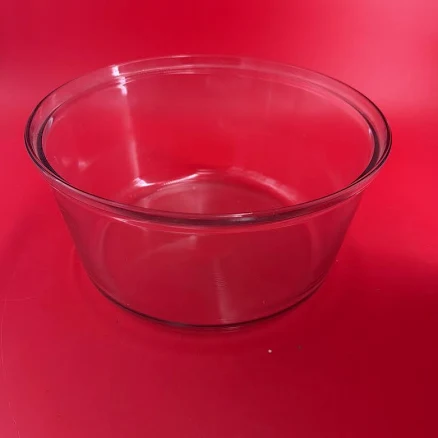
- borosilicate glass, bare uncoated
- We found no PFAS statement from the brand
- Thermal shock and fracture
2 hazards checked on this product, all on its full breakdown.
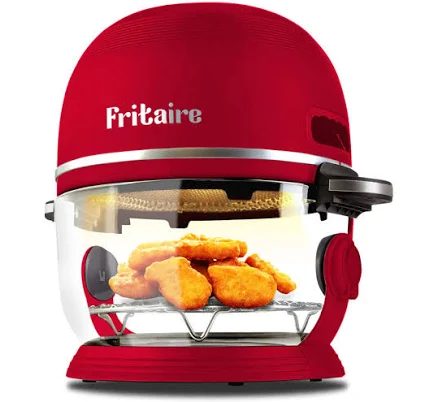
- borosilicate glass
- We found no PFAS statement from the brand
- Aluminum leaching from base/housing
4 hazards checked on this product, all on its full breakdown.
Find an alternative on Amazon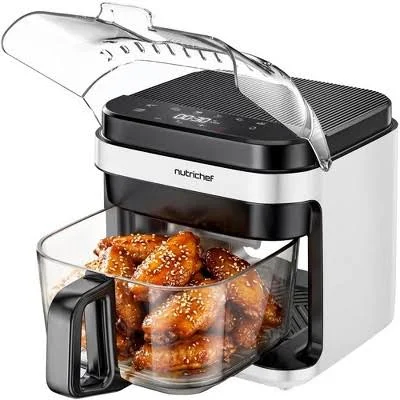
- glass bowl, stainless steel exterior
- We found no PFAS statement from the brand
- Thermal stress and glass breakage
2 hazards checked on this product, all on its full breakdown.
Find an alternative on AmazonMore air fryers grades
How we score, every product runs through the same public 0-100 rubric based on materials, coatings, brand disclosure, lab findings, and recalls. See the full methodology → Spotted a mistake? Report an error.