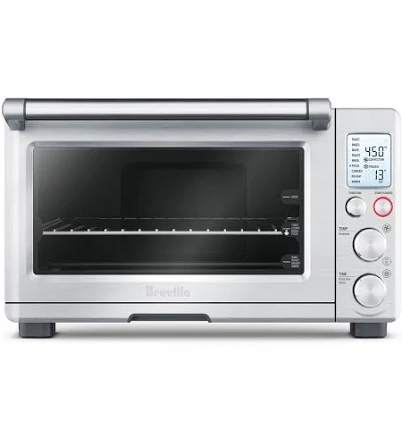
Breville the Smart Oven
Lower PFAS concern; main cooking surfaces are uncoated stainless steel and glass.
The Breville Smart Oven uses stainless steel and tempered glass with no nonstick coating on main surfaces. Breville doesn't make PFAS statements about this product.
We flunk more products than we pass. This one earned its grade. How we grade
Material
stainless steel, quartz heating element, tempered glass door
Lab data
No public lab test
You may also be interested in
Top-graded picks in the categories readers replace first, every one scored on the same rubric.

- polypropylene filter housing, carbon/sediment cartridge
- We found no PFAS statement from the brand
- Bacterial growth in spent cartridges
3 hazards checked on this product, all on its full breakdown.

Aquasure
Premier Series 75 GPD Under Sink Reverse Osmosis Water Filtration System
- RO membrane, carbon filters, stainless steel housing
- We found no PFAS statement from the brand
- Bacterial and microbial growth in housing and filters
4 hazards checked on this product, all on its full breakdown.

Avocado
Vegan Mattress
- organic cotton, natural latex, coconut coir, recycled steel coils
- The brand calls it PFAS-free, which we have not verified
- Heavy metals
2 hazards checked on this product, all on its full breakdown.
What Breville the Smart Oven is made of, ingredients and materials
The Smart Oven uses stainless steel housing, a quartz heating element, and tempered glass door, none of which are typical sources of chemical leaching during normal cooking. Stainless steel does not release aluminum, cadmium, or lead under typical cooking temperatures. Quartz elements generate radiant heat without coating breakdown, and tempered glass is inert. The interior non-stick coating (if present) appears limited to removable trays rather than the main cooking chamber, reducing fume risk compared to fully coated cookware.
What’s concerning
Category baseline
The starting point for this type of product, before anything specific to this product is counted.
No PFAS disclosure
No public statement from the brand about PFAS in this product.
Teflon-type coating fume risk (non-stick coating on removable trays)
If removable cooking trays use Teflon-type coating-based non-stick coating, overheating above 500F can release fumes toxic to birds and potentially irritating to humans at extreme temperatures. Smart Oven design caps heating at 450F, reducing this risk, but user-error preheating or placement on external heat sources remains a concern.
Tempered glass degradation or breakage
Tempered glass doors present lower concern when intact but can fail if thermal shock occurs (pouring cold water on hot glass) or if internal stress develops from manufacturing defects. This is a physical rather than chemical hazard but relevant to overall safety.
Bacterial or mold growth in glass-sealed chamber
The sealed glass-door design can trap condensation, especially after steaming foods. Poor ventilation or infrequent cleaning of interior surfaces may allow mold or bacterial biofilm to develop, though this is maintenance-related rather than material-inherent.
What’s reassuring
Bare uncoated material
Recorded as a bare, uncoated material with no surface coating or treatment.
Aluminum leaching (if aluminum interior surfaces present)
Stainless steel housing and quartz elements do not leach aluminum. If removable crumb trays are aluminum, direct acidic food contact (tomato sauce, vinegar) could theoretically leach small amounts, but removable trays are not typically used for direct food cooking in this appliance.
Heating element degradation and particulate release
Quartz heating elements are durable and do not typically shed particles or degrade into consumable residues under normal convection oven use. No recalls or field reports of quartz element failure in Breville Smart Oven have been established.
How is this PFAS grade calculated?
The brand's record and disclosure
Breville does not publicly disclose PFAS testing or phase-out commitments, placing it in the middle range of transparency for appliance makers. No major product recalls related to chemical leaching or fume emissions have been established for Breville countertop ovens. The company has not faced significant public scrutiny for chemical safety in this product category, though this reflects absence of investigation rather than proven safety.
How it compares in its category
Most air fryers and countertop ovens use aluminum baskets with non-stick coatings, creating potential for Teflon-type coating fume release at high heat or coating wear. The Smart Oven's stainless steel design avoids this common weak point. However, removable trays with non-stick coating still introduce low-level Teflon-type coating risk if preheated above 500F or used on stovetop. Glass-door models in this class have lower concern for condensation and heat trapping compared to fully enclosed steel units.
If you buy it
Keep the unit below 450F for regular use; manufacturer specifications typically cap convection at 450F anyway. Remove and hand-wash non-stick trays after each use to avoid coating buildup and degradation. Allow the glass door to cool fully before wiping, as thermal shock can weaken tempered glass. Replace trays if coating visibly scratches, peels, or discolors; do not attempt to recoat or use damaged ones.
What is not known about PFAS in this product?
- Basis
- Model estimate, 78% confidence, not a lab result
- Lab test
- None on record for this exact product
- Brand statement
- Breville has made a specific claim
Formulations change between production runs, so check the current label. How we grade.
More air fryers grades
How we score, every product runs through the same public 0-100 rubric based on materials, coatings, brand disclosure, lab findings, and recalls. See the full methodology → Spotted a mistake? Report an error.