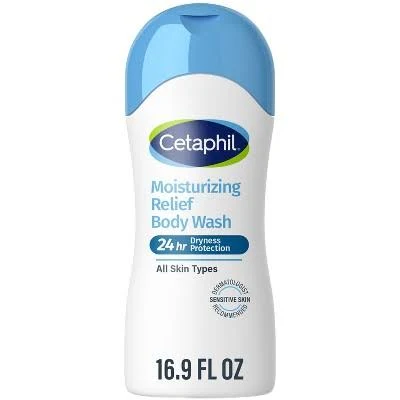
Cetaphil Moisturizing Relief Body Wash
Lower concern for typical body wash lacking known PFAS drivers.
This aqueous cleanser has no obvious PFAS red flags like water-repellent, nonstick, or stain-resistance claims. Cetaphil does not disclose PFAS testing.
We flunk more products than we pass. This one earned its grade. How we grade
Material
Aqueous solution; cleanser base without inherent PFAS triggers
Brand disclosure
Brand is silent on PFAS
Lab data
No public lab test
You may also be interested in
Top-graded picks in the categories readers replace first, every one scored on the same rubric.

- polypropylene filter housing, carbon/sediment cartridge
- We found no PFAS statement from the brand
- Bacterial growth in spent cartridges
3 hazards checked on this product, all on its full breakdown.

Aquasure
Premier Series 75 GPD Under Sink Reverse Osmosis Water Filtration System
- RO membrane, carbon filters, stainless steel housing
- We found no PFAS statement from the brand
- Bacterial and microbial growth in housing and filters
4 hazards checked on this product, all on its full breakdown.

Avocado
Vegan Mattress
- organic cotton, natural latex, coconut coir, recycled steel coils
- The brand calls it PFAS-free, which we have not verified
- Heavy metals
2 hazards checked on this product, all on its full breakdown.
What Cetaphil Moisturizing Relief Body Wash is made of, ingredients and materials
Cetaphil Moisturizing Relief Body Wash is an aqueous surfactant-based cleanser without soap, designed for sensitive skin. The formulation uses mild synthetic detergents (likely sodium lauryl sulfate or similar anionic surfactants) combined with humectants and skin-conditioning agents. As a rinse-off product applied briefly to skin then washed away, exposure to any residual chemicals is minimal, and no thermal processing or heating occurs during normal use.
What’s concerning
Category baseline
The starting point for this type of product, before anything specific to this product is counted.
No PFAS disclosure
No public statement from the brand about PFAS in this product.
Bacterial or fungal growth during storage
Any aqueous liquid product can support microbial growth if stored improperly (warm, humid, open container). This is a user-maintenance issue, not a product defect; standard hygiene (sealed cap, cool storage) mitigates risk.
What’s reassuring
Base material not linked to PFAS
The main material recorded for this product is not one associated with PFAS.
1,4-dioxane (contamination impurity)
Body washes may contain trace 1,4-dioxane as a manufacturing byproduct of ethoxylated surfactants. Cetaphil does not disclose testing for this; no recalls or reports specific to this product exist.
Fragrance allergens
Cetaphil Moisturizing Relief is fragrance-free or minimally fragranced, eliminating a common allergen class. This variant is specifically formulated to avoid fragrance sensitivizers.
Formaldehyde / VOCs
No preservative system in this product is known to release formaldehyde. Standard glycerin-based and paraben preservatives used in gentle body washes do not generate formaldehyde.
Source, ATSDR ↗Heavy metals
Cetaphil body wash is not a colored product and contains no intentional pigments or dyes; cosmetic-grade colorants are not present.
Source, FDA ↗How is this PFAS grade calculated?
The brand's record and disclosure
Cetaphil (owned by Galderma) has a established reputation for dermatologist-recommended gentle formulations and publishes full ingredient lists openly. The brand has no recorded safety recalls or substantive controversies related to body wash products. Cetaphil has not made explicit public commitments on PFAS elimination but operates under standard industry and regulatory compliance (FDA oversight in the US).
How it compares in its category
This product sits in the mainstream sensitive-skin body wash segment, comparable to CeraVe, Dove, and store-brand gentle cleansers. It lacks added fragrance and known irritants, making it less hazardous than heavily perfumed or exfoliating variants. The aqueous, rinse-off nature of body washes generally poses lower chemical hazard than leave-on products like lotions or deodorants.
If you buy it
Use as directed on wet skin, rinse thoroughly, and store in a cool, dry place with cap sealed to prevent bacterial growth in the container. No special precautions needed; this is a standard rinse-off cleanser. Replace if the product shows visible discoloration, separation, or odor changes, though shelf life is typically 2-3 years unopened.
What is not known about PFAS in this product?
- Basis
- Model estimate, 75% confidence, not a lab result
- Lab test
- None on record for this exact product
- Brand statement
- Cetaphil has made none
Formulations change between production runs, so check the current label. How we grade.
More body wash grades
How we score, every product runs through the same public 0-100 rubric based on materials, coatings, brand disclosure, lab findings, and recalls. See the full methodology → Spotted a mistake? Report an error.