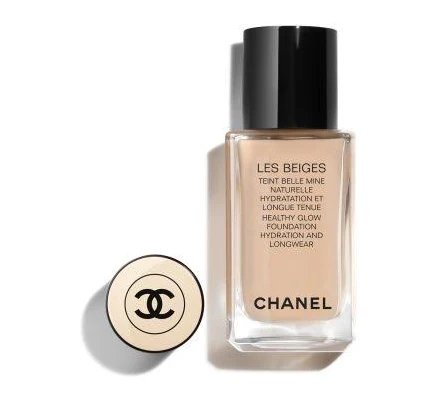
Chanel Les Beiges Healthy Glow Foundation Hydration and Longwear
Cosmetic liquid foundation, no known PFAS risk indicated.
Chanel does not disclose PFAS information for this foundation. Cosmetic liquids typically pose lower PFAS concern than treated textiles or coatings, though complete ingredient transparency from Chanel is absent.
We flunk more products than we pass. This one earned its grade. How we grade
Material
liquid foundation, silicones and mineral pigments
Lab data
No public lab test
You may also be interested in
Top-graded picks in the categories readers replace first, every one scored on the same rubric.

- polypropylene filter housing, carbon/sediment cartridge
- We found no PFAS statement from the brand
- Bacterial growth in spent cartridges
3 hazards checked on this product, all on its full breakdown.

Aquasure
Premier Series 75 GPD Under Sink Reverse Osmosis Water Filtration System
- RO membrane, carbon filters, stainless steel housing
- We found no PFAS statement from the brand
- Bacterial and microbial growth in housing and filters
4 hazards checked on this product, all on its full breakdown.

Avocado
Vegan Mattress
- organic cotton, natural latex, coconut coir, recycled steel coils
- The brand calls it PFAS-free, which we have not verified
- Heavy metals
2 hazards checked on this product, all on its full breakdown.
What Chanel Les Beiges Healthy Glow Longwear is made of, ingredients and materials
Chanel Les Beiges is a silicone-dominant liquid foundation, typical of premium long-wear formulas, with mineral pigments (iron oxides, titanium dioxide) for color and coverage. Silicones do not bioaccumulate or degrade into harmful byproducts on skin and are not a material linked to PFAS. The mineral pigment load is standard for foundations in this price tier and carries minimal toxicity risk under normal use.
What’s concerning
Category baseline
The starting point for this type of product, before anything specific to this product is counted.
No PFAS disclosure
No public statement from the brand about PFAS in this product.
Fragrance allergens and contact dermatitis
Chanel products typically contain fragrance blends not fully disclosed on packaging; some users report irritation or sensitivity reactions. Risk is individual-dependent and not product-specific toxicity.
Parabens
Standard cosmetic preservatives are used but exact formulation is proprietary; some individuals experience mild reactions. Incidence is low and not specific to Chanel.
Source, FDA ↗Silicone buildup on skin over repeated use
High silicone content can occlude pores if not properly cleansed daily; this is a usage issue rather than a toxicity hazard, but may trigger acne in predisposed individuals.
What’s reassuring
Base material not linked to PFAS
The main material recorded for this product is not one associated with PFAS.
Heavy metals
Iron oxides and titanium dioxide in cosmetic-grade foundations are regulated and tested for lead and cadmium; no recalls or contamination reports exist for this product line. Risk is extremely low under standard manufacturing oversight.
Source, FDA ↗How is this PFAS grade calculated?
The brand's record and disclosure
Chanel does not publish detailed ingredient safety certifications or third-party testing transparency beyond standard regulatory compliance (EU cosmetics rules, FDA adherence). The brand has no recorded recalls or safety violations linked to this product line. Chanel's silence on PFAS and other emerging chemical concerns reflects industry norm for luxury cosmetics rather than a red flag, though it means independent verification is unavailable.
How it compares in its category
Silicone-based long-wear foundations are the category standard; this product does not use acrylic copolymers or synthetic waxes that carry higher VOC or off-gassing risk. Mineral pigment systems show lower concern than organic synthetic dyes regarding heavy metal contamination risk. Chanel's formulation sits in the middle-to-upper safety tier for liquid foundations, comparable to brands like MAC Face and Body or Estée Lauder Double Wear.
If you buy it
Store in a cool, dry place away from direct sunlight to prevent silicone separation or pigment settling over time. Do not expose the bottle to temperatures above 25 degrees Celsius (77 Fahrenheit) for extended periods. Replace after 12 months of regular use or if you notice odor, discoloration, or separation that does not remix. Perform a patch test on inner arm before full face application if you have sensitive or reactive skin, as fragrance compounds or preservatives may trigger contact dermatitis in susceptible users.
What is not known about PFAS in this product?
- Basis
- Model estimate, 72% confidence, not a lab result
- Lab test
- None on record for this exact product
- Brand statement
- Chanel has made a specific claim
Formulations change between production runs, so check the current label. How we grade.
More makeup grades
How we score, every product runs through the same public 0-100 rubric based on materials, coatings, brand disclosure, lab findings, and recalls. See the full methodology → Spotted a mistake? Report an error.