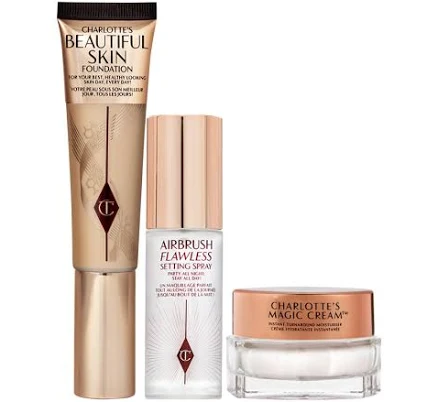
Charlotte Tilbury Award-winning Complexion Trio
Lower concern cosmetic; no PFAS-prone ingredients typical in powder formulas.
Charlotte Tilbury complexion powder uses standard cosmetic pigments, waxes, and minerals without known PFAS chemistry. No public PFAS disclosure or third-party testing available.
We flunk more products than we pass. This one earned its grade. How we grade
Material
pigments, waxes, oils, talc, mica in pressed powder compacts
Lab data
No public lab test
You may also be interested in
Top-graded picks in the categories readers replace first, every one scored on the same rubric.

- polypropylene filter housing, carbon/sediment cartridge
- We found no PFAS statement from the brand
- Bacterial growth in spent cartridges
3 hazards checked on this product, all on its full breakdown.

Aquasure
Premier Series 75 GPD Under Sink Reverse Osmosis Water Filtration System
- RO membrane, carbon filters, stainless steel housing
- We found no PFAS statement from the brand
- Bacterial and microbial growth in housing and filters
4 hazards checked on this product, all on its full breakdown.

Avocado
Vegan Mattress
- organic cotton, natural latex, coconut coir, recycled steel coils
- The brand calls it PFAS-free, which we have not verified
- Heavy metals
2 hazards checked on this product, all on its full breakdown.
What Charlotte Tilbury Complexion Trio is made of, ingredients and materials
Charlotte Tilbury's Complexion Trio is a pressed powder compact formulated with pigments, waxes, oils, talc, and mica. Talc is the primary concern in powder cosmetics because historical contamination with asbestos has been documented in other brands, though modern regulated talc presents lower concern for asbestos contamination. The mica and pigments are inert minerals; waxes and oils bind the formula and pose minimal toxicity risk at cosmetic application rates.
What’s concerning
Category baseline
The starting point for this type of product, before anything specific to this product is counted.
No PFAS disclosure
No public statement from the brand about PFAS in this product.
Formaldehyde / VOCs
Some pressed powder formulas include formaldehyde-releasing preservatives (e.g., DMDM hydantoin, imidazolidinyl urea) to prevent microbial growth in the compact. Charlotte Tilbury does not publicly disclose preservative systems; if present, typical exposure during facial application is minimal and non-sensitizing for most consumers, though those with sensitive skin may react.
Source, ATSDR ↗Mica particle inhalation (respiratory risk)
Mica is inert but fine particles can be inhaled during powder application. Chronic inhalation of mica dust in occupational settings carries a theoretical lung burden risk, but cosmetic-level exposure (applied to face with a brush 1-2 times daily) poses negligible respiratory hazard for most users. Individuals with asthma should apply cautiously.
What’s reassuring
Base material not linked to PFAS
The main material recorded for this product is not one associated with PFAS.
Talc contamination (asbestos, tremolite)
Charlotte Tilbury products are manufactured under EU and UK cosmetics regulations, which enforce talc purity standards. No recalls, lawsuits, or published contamination records exist for this brand's pressed powders as of current public record.
Lead
Pressed powder pigments are regulated under cosmetics color additive rules in the EU and US. No published test results showing excess lead, cadmium, or arsenic have emerged for Charlotte Tilbury compacts. Mica and iron oxides used in this format are low-risk mineral pigments.
Source, ATSDR ↗Fragrance allergens and sensitizers
The Complexion Trio is an unscented or lightly scented pressed powder. No fragrance-related sensitivities or contact dermatitis complaints are on record for this specific product line.
How is this PFAS grade calculated?
The brand's record and disclosure
Charlotte Tilbury maintains transparent ingredient disclosure on product packaging and websites, listing talc and mica openly. The brand has not faced publicized recalls or major safety controversies related to heavy metals, formaldehyde releasers, or talc contamination. No formal third-party certifications (e.g., Clean Beauty Bureau, Leaping Bunny) are prominently marketed, but the brand has not drawn regulatory action or lawsuits tied to cosmetic safety in major jurisdictions.
How it compares in its category
Pressed powder compacts are among the lower-risk cosmetic formats because they are applied topically and not ingested or inhaled at high concentrations. Charlotte Tilbury's formulation is standard for luxury pressed powders and does not employ unusual binding agents or colorants known to carry elevated heavy metal or allergen risk. Talc-free alternatives (using silica or starches) exist but offer no proven safety advantage for facial application.
If you buy it
Store the compact in a cool, dry place away from direct sunlight to prevent oil separation or wax degradation. Do not use if the pressed cake shows visible mold, discoloration, or separation after purchase, as this signals bacterial or fungal contamination. Replace after 2-3 years or if the formula becomes noticeably crumbly or hard, indicating oxidation of waxes. Avoid inhalation of powder dust during application; apply with a brush rather than a puff to minimize particle aspiration.
What is not known about PFAS in this product?
- Basis
- Model estimate, 72% confidence, not a lab result
- Lab test
- None on record for this exact product
- Brand statement
- Charlotte Tilbury has made a specific claim
Formulations change between production runs, so check the current label. How we grade.
More makeup grades
How we score, every product runs through the same public 0-100 rubric based on materials, coatings, brand disclosure, lab findings, and recalls. See the full methodology → Spotted a mistake? Report an error.