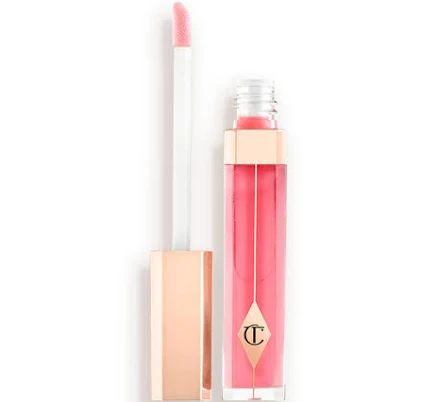
Charlotte Tilbury · Lip Balm & Long-Wear Lipstick
Charlotte Tilbury Lip Lustre Lip
Lower concern with no known water-repellent coating or specialty coatings.
Conventional cosmetic lip gloss with silicone and natural oils lacks publicized waterproofing or water-resistant treatment. Lip cosmetics aren't a typical PFAS risk category.
We flunk more products than we pass. This one earned its grade. How we grade
Material
lip gloss; silicone and natural oils with pigments
Lab data
No public lab test
What Charlotte Tilbury Lip Lustre Lip is made of, ingredients and materials
Charlotte Tilbury Lip Lustre is a silicone and natural oil-based lip gloss with pigments for color. Silicones are inert and poorly absorbed through skin or lips, presenting lower concern than older plastic polymers. The natural oil component (typically plant-derived) adds occlusive properties but does not create the chemical leaching risk seen in food-contact plastics. Pigments are the primary ingredient requiring scrutiny, though lip cosmetics are designed for brief contact and low ingestion volumes.
What’s concerning
Category baseline
The starting point for this type of product, before anything specific to this product is counted.
No PFAS disclosure
No public statement from the brand about PFAS in this product.
Fragrance allergens and sensitizers
Charlotte Tilbury Lip Lustre contains fragrance compounds that may trigger contact dermatitis in sensitive individuals. Ingredients are listed but fragrance components are often not fully disclosed (trade secret protection); patch testing or trial on a small area is prudent for fragrance-sensitive users.
Bacterial or mold contamination (if applicator is shared or contaminated)
Lip glosses with oil-based formulas can support microbial growth if applicator is dipped into product repeatedly or shared with others. Hygiene practice (use clean applicators, do not share) is the primary control; the product itself contains no antimicrobial preservative system disclosure to mitigate this risk.
What’s reassuring
Base material not linked to PFAS
The main material recorded for this product is not one associated with PFAS.
Heavy metals
No recalls or published testing data indicate lead, cadmium, or arsenic in Charlotte Tilbury lip products. Cosmetic-grade pigments are regulated by FDA but not routinely tested for every batch; however, lips are a low-absorption route and gloss is applied briefly.
Source, FDA ↗Formaldehyde / VOCs
No published evidence indicates use of formaldehyde-releasing preservatives in this product line. Modern cosmetics typically use EDTA, phenoxyethanol, or other non-formaldehyde-donor systems, and Charlotte Tilbury does not market products as formaldehyde-free (suggesting it is not a brand concern).
Source, ATSDR ↗Silicone inhalation risk (fine particles)
Lip gloss is applied to lips and not aerosolized; inhalation hazard is negligible. Silicones are not classified as respiratory irritants at cosmetic-use exposure levels, and no pulmonary safety warnings are documented for this product category.
The full breakdown
The brand's record and disclosure
Charlotte Tilbury publishes ingredient lists openly and does not market products with medical or pharmaceutical claims that would trigger stricter FDA oversight. The brand has no widely documented safety recalls or formal controversies regarding heavy metals or restricted substances in lip products. However, Charlotte Tilbury does not provide independent third-party safety certifications (e.g., COSMOS, Leaping Bunny cruelty-free status) for all lines, and does not publicly disclose PFAS-specific testing or avoidance commitments, which is typical for luxury cosmetics brands in the absence of regulatory pressure.
How it compares in its category
Most commercial lip glosses rely on silicones and oils; Charlotte Tilbury's formulation is standard for the premium segment and carries no identified safety disadvantage compared to mass-market alternatives like MAC Lip Glass or Fenty Beauty Gloss Bomb. The main differentiation is price and texture, not safety profile. Organic or "natural" lip products may reduce synthetic pigment exposure but do not eliminate it and often cost more. In terms of heavy metal contamination in lip color pigments, no brand-specific testing has been published; category-wide concern is low because lips are not a high-absorption site.
If you buy it
Apply sparingly to avoid ingestion; lip glosses are not meant to be eaten and should not be applied to open wounds or irritated lips. Store in a cool, dry place away from direct sunlight to prevent silicone degradation or separation over time. Do not heat or microwavethe product. Replace if color, texture, or odor changes, or after 12-18 months of regular use. Discontinue use immediately if you experience allergic reactions (rare but possible with fragrance or pigment components).
What we don’t know
- Basis
- Model estimate, 72% confidence, not a lab result
- Lab test
- None on record for this exact product
- Brand statement
- Charlotte Tilbury has made a specific claim
Formulations change between production runs, so check the current label. How we grade.
More lip balm & long-wear lipstick grades
How we score, every product runs through the same public 0-100 rubric based on materials, coatings, brand disclosure, lab findings, and recalls. See the full methodology → Spotted a mistake? Report an error.