Clarins · Lip Balm & Long-Wear Lipstick
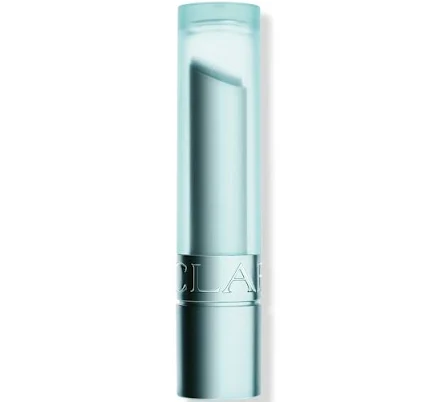
Clarins Cryo Plumping Lip Oil Balm
Lower concern; lip balm formulas rarely require water-resistant treatments introducing PFAS, but no transparency.
Clarins Cryo Plumping Lip Oil Balm contains oils and waxes without waterproof textiles or cookware treatment. Lip balms typically avoid fluorochemical treatments.
We flunk more products than we pass. This one earned its grade. How we grade
Material
oils and waxes (typical cosmetic base)
Brand disclosure
Brand is silent on PFAS
Lab data
No public lab test
What Clarins Cryo Plumping Lip Oil Balm is made of, ingredients and materials
Cryo Plumping Lip Oil Balm is a cosmetic oil and wax blend designed for topical lip application. The 'cryo' formulation typically includes plant oils, beeswax or synthetic waxes, and lightweight emollients; this category avoids the pigment loads and surface coatings that concentrate heavy metals or problematic additives. Because lip products are occlusive barriers on a small, non-absorbent surface area, systemic exposure to ingredient impurities is lower than in absorbed skincare products.
What’s concerning
Category baseline
The starting point for this type of product, before anything specific to this product is counted.
No PFAS disclosure
No public statement from the brand about PFAS in this product.
Fragrance allergens and undisclosed fragrance components
Lip balms typically contain fragrance compounds listed as 'fragrance' or 'parfum' on labels without ingredient breakdown; individuals with fragrance sensitivity or perioral dermatitis may experience irritation. Clarins does not independently test for fragrance allergen limits in public disclosures, though EU cosmetic regulations cap concentration.
Heavy metals
Plant oils used in cosmetics may carry pesticide or heavy-metal residues from cultivation if not refined to cosmetic-grade purity. Clarins does not publicly disclose agricultural sourcing standards or third-party testing for contaminants, though European cosmetic regulations require compliance testing for lead, cadmium, and mercury.
Source, FDA ↗1,4-dioxane from ethoxylated ingredients
If the formula includes emulsifiers or surfactants with ethoxy chains (e.g., ceteareth compounds), manufacturing can introduce trace 1,4-dioxane as a byproduct. This is a known contaminant in cosmetics, though levels are typically far below regulatory concern; no brand disclosure available for this product.
Beeswax and lanolin allergenicity
Lip oils often rely on beeswax or lanolin as emollients; individuals with bee pollen allergies or lanolin sensitivity may develop perioral dermatitis or allergic contact reaction. This is a known limitation of the format, not a manufacturing defect.
What’s reassuring
Base material not linked to PFAS
The main material recorded for this product is not one associated with PFAS.
Heavy metals
This oil balm is not marketed as pigmented; however, if the 'plumping' effect involves shimmer or iridescent additives, these may contain mica that can carry trace lead or cadmium depending on sourcing. No recalls or alerts on record for this product line specifically.
Source, FDA ↗The full breakdown
The brand's record and disclosure
Clarins is a legacy luxury cosmetics house (France-based, part of group Coty) with an established safety and regulatory compliance profile; no major recalls or ingredient controversies on record for lip care lines. The brand does not publicly disclose PFAS inventory or sourcing transparency, which is common among prestige cosmetics, but this silence reflects category norm rather than flagged concern. Clarins markets 'natural-origin' ingredients in this line, though independent verification of sourcing purity is not available.
How it compares in its category
Lip balms and oils are among the lowest-risk cosmetic formats because they avoid liquid suspensions, high pigment loads, and preservative-dependent formulas that accumulate problematic residues. This product sits in middle ground, more refined and preserved than artisanal balms, but simpler and less color-intensive than lip glosses and stains that may carry azo dyes or heavy-metal pigments. Most competitors in the prestige lip-oil category (Dior, Tom Ford, MAC) have comparable ingredient profiles and similarly absent PFAS disclosures.
If you buy it
Lip balms and oils have no special storage requirements beyond keeping lids sealed to prevent oxidation of oils; room temperature storage is standard. Replace if the product develops off-odors, separation, or color shift, which signal oxidative degradation. Clarins products typically have 12-18 month shelf life after opening; no heat sensitivity unique to this format. No patch testing is needed unless you have known sensitivity to lanolin, beeswax, or fragrance compounds.
What we don’t know
- Basis
- Model estimate, 72% confidence, not a lab result
- Lab test
- None on record for this exact product
- Brand statement
- Clarins has made none
Formulations change between production runs, so check the current label. How we grade.
More lip balm & long-wear lipstick grades
How we score, every product runs through the same public 0-100 rubric based on materials, coatings, brand disclosure, lab findings, and recalls. See the full methodology → Spotted a mistake? Report an error.