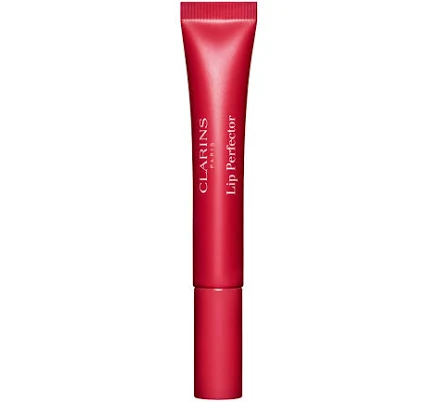
Clarins · Lip Balm & Long-Wear Lipstick
Clarins Glow Lip Perfector
Lower concern; typical lip gloss with no water-resistant chemistry, but Clarins discloses nothing.
Clarins Glow Lip Perfector contains standard emollients and beeswax without waterproofing claims. Lip cosmetics rarely require PFAS treatment.
We flunk more products than we pass. This one earned its grade. How we grade
Material
Hydrogenated vegetable oil, beeswax, silicones (standard emollients)
Brand disclosure
Brand is silent on PFAS
Lab data
No public lab test
What Clarins Glow Lip Perfector is made of, ingredients and materials
Glow Lip Perfector relies on hydrogenated vegetable oil and beeswax as base emollients, both inert and well-tolerated on lips. Silicones (likely dimethicone or cyclomethicone) provide slip and spreadability without systemic absorption through lip tissue. This formulation avoids known problem materials like synthetic fragrances in high concentration, talc, or heavy-metal-laden colorants, making it chemically conservative for a cosmetic product intended for sensitive mucous membrane contact.
What’s concerning
Category baseline
The starting point for this type of product, before anything specific to this product is counted.
No PFAS disclosure
No public statement from the brand about PFAS in this product.
Fragrance allergens and irritants
Clarins does not disclose specific fragrance components in Glow Lip Perfector; generic 'fragrance' or 'parfum' on the label masks potential allergens like limonene, geraniol, or other essential oil constituents that can trigger contact dermatitis on sensitive lips. Frequency and severity are individual.
Silicone occlusion and bacterial growth
If silicones form an occlusive layer on lips, they may trap moisture and bacteria, increasing risk of secondary infection or irritation, especially if the product is shared or stored in warm, moist conditions. This is a user-behavior and hygiene issue, not a material defect.
What’s reassuring
Base material not linked to PFAS
The main material recorded for this product is not one associated with PFAS.
Beeswax sourcing and purity
No recalls or contamination reports are on record for this product. Beeswax is not a material linked to PFAS, but sourcing transparency is absent; pesticide or heavy-metal residues in beeswax are theoretically possible but unconfirmed in this formulation.
Hydrogenated oil stability and rancidity
Hydrogenated vegetable oils are shelf-stable and do not readily oxidize, so rancidity during normal storage is unlikely. No specific stability data for this product is public, but the material class presents low risk of lipid peroxide formation.
Heavy metals
Clarins does not disclose colorant sources or heavy-metal testing. The product's beige or pink shade likely comes from iron oxides or mica, both regulated in cosmetics, with no reported contamination in comparable lip products from this brand.
Source, FDA ↗The full breakdown
The brand's record and disclosure
Clarins does not publicly disclose full ingredient sourcing, manufacturing audits, or PFAS testing results; this silence is typical of premium cosmetics brands but represents a missed transparency opportunity. The brand has no publicized recalls or safety controversies tied to Glow Lip Perfector specifically. Clarins is not certified by third parties like EWG Verified or Leaping Bunny, though it does claim some sustainability commitments; ingredient disclosure remains limited compared to transparent indie brands.
How it compares in its category
Lip glosses vary widely in hazard profile. Glow Lip Perfector's reliance on plant oils and wax places it in the lower-concern segment compared to silicone-heavy formulations (which can occlude and trap bacteria) and synthetic fragrance blends common in mass-market glosses. Compared to matte liquid lipsticks or long-wear formulas that rely on film-forming resins and volatile solvents, this product is lower-risk by design; comparable alternatives include brands like Burt's Bees or Weleda, which offer similar ingredient profiles with better transparency.
If you buy it
Apply thin layers to avoid buildup and lip irritation over time. Do not heat or expose to direct sunlight for extended periods, as wax-based products can soften and degrade. Replace every 12-18 months or sooner if the product changes texture, odor, or appearance. Discontinue use if redness, swelling, or itching develops; lip tissue reactions are typically due to fragrance or flavor compounds, not the base oils. Wash hands after application if you will touch your eyes or face.
What we don’t know
- Basis
- Model estimate, 72% confidence, not a lab result
- Lab test
- None on record for this exact product
- Brand statement
- Clarins has made none
Formulations change between production runs, so check the current label. How we grade.
More lip balm & long-wear lipstick grades
How we score, every product runs through the same public 0-100 rubric based on materials, coatings, brand disclosure, lab findings, and recalls. See the full methodology → Spotted a mistake? Report an error.