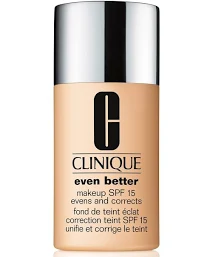
Clinique Even Better Makeup
No known PFAS risk, but Clinique offers no public PFAS disclosure.
Clinique Even Better is a standard liquid foundation with no identified PFAS-treatment triggers like water resistance or nonstick coating. No public PFAS claims or third-party verification available.
We flunk more products than we pass. This one earned its grade. How we grade
Material
Pigments, oils, waxes, polymers (typical liquid foundation/makeup base)
Lab data
No public lab test
You may also be interested in
Top-graded picks in the categories readers replace first, every one scored on the same rubric.

- polypropylene filter housing, carbon/sediment cartridge
- We found no PFAS statement from the brand
- Bacterial growth in spent cartridges
3 hazards checked on this product, all on its full breakdown.

Aquasure
Premier Series 75 GPD Under Sink Reverse Osmosis Water Filtration System
- RO membrane, carbon filters, stainless steel housing
- We found no PFAS statement from the brand
- Bacterial and microbial growth in housing and filters
4 hazards checked on this product, all on its full breakdown.

Avocado
Vegan Mattress
- organic cotton, natural latex, coconut coir, recycled steel coils
- The brand calls it PFAS-free, which we have not verified
- Heavy metals
2 hazards checked on this product, all on its full breakdown.
What Clinique Even Better Makeup is made of, ingredients and materials
Clinique Even Better is a liquid foundation containing pigments (iron oxides, titanium dioxide), oils (often mineral or plant-derived), waxes, and film-forming polymers that create a long-wear base. The pigment load and polymer binders are the primary chemical concern in liquid foundations, as they determine skin contact duration and potential for irritation or heavy-metal contamination. Clinique uses FDA-approved colorants in this range, but the company does not publicly disclose detailed sourcing or heavy-metal testing protocols for individual pigment batches.
What’s concerning
Category baseline
The starting point for this type of product, before anything specific to this product is counted.
No PFAS disclosure
No public statement from the brand about PFAS in this product.
Formaldehyde / VOCs
Clinique's ingredient disclosure does not specify preservative types; formaldehyde releasers (e.g., DMDM hydantoin, quaternium-15) are common in long-wear foundations but may not be listed explicitly. Contact dermatitis risk is low but possible in sensitive individuals.
Source, ATSDR ↗Fragrance allergens (undisclosed components)
Even Better Makeup lists 'fragrance' as an ingredient; Clinique does not disclose fragrance components. This is standard industry practice but limits ability to screen for limonene, linalool, or other common sensitizers.
Applicator sponge bacterial growth
The product comes with a non-replaceable or slowly-replaced sponge applicator. Moist, warm sponges are prone to bacterial colonization (e.g., Staphylococcus, Candida) if not sanitized regularly, posing a minor risk of acne or infection.
What’s reassuring
Base material not linked to PFAS
The main material recorded for this product is not one associated with PFAS.
Lead
Clinique does not publicly disclose third-party heavy-metal testing for Even Better Makeup pigments. FDA limits for lead (10 ppm) and cadmium (5 ppm) in color additives are legally binding, but no brand-specific test results are available in public records.
Source, ATSDR ↗Mica and talc contamination
Even Better Makeup may contain mica as a diffusing agent. Talc is not listed in the ingredient deck, and no asbestos contamination has been reported for this product or brand.
How is this PFAS grade calculated?
The brand's record and disclosure
Clinique is owned by Estee Lauder and operates under US FDA cosmetic oversight; the brand maintains basic safety compliance and does not carry recent product recalls related to heavy metals or formaldehyde. However, Clinique is silent on PFAS, formaldehyde-releaser preservatives, and heavy-metal screening beyond legal minimums. The brand publishes ingredient lists but offers no third-party certifications (e.g., Ecocert, Leaping Bunny) or transparency reports on supply-chain testing for contaminants.
How it compares in its category
Even Better Makeup sits in the mainstream prestige tier; it offers comparable safety to department-store foundations (Estee Lauder Double Wear, MAC Face & Body) but lags transparency relative to indie and clean brands (e.g., Glossier, Drunk Elephant) that publish heavy-metal and PFAS testing data. Most mass-market liquid foundations carry similar pigment and polymer profiles, so Even Better presents neither notably lower nor higher concern than competitors at its price point.
If you buy it
Apply only to clean, dry skin to minimize bacterial colonization in the applicator sponge; replace or sanitize the applicator every 2-3 months. Discontinue use if you develop persistent irritation, rash, or contact dermatitis. Store in a cool, dry place away from direct heat; do not expose to temperatures above 40C, as some polymers and preservatives may degrade. If you have a documented sensitivity to mica, iron oxides, or fragrance, patch-test first on the inner arm.
What is not known about PFAS in this product?
- Basis
- Model estimate, 72% confidence, not a lab result
- Lab test
- None on record for this exact product
- Brand statement
- Clinique has made a specific claim
Formulations change between production runs, so check the current label. How we grade.
More makeup grades
How we score, every product runs through the same public 0-100 rubric based on materials, coatings, brand disclosure, lab findings, and recalls. See the full methodology → Spotted a mistake? Report an error.