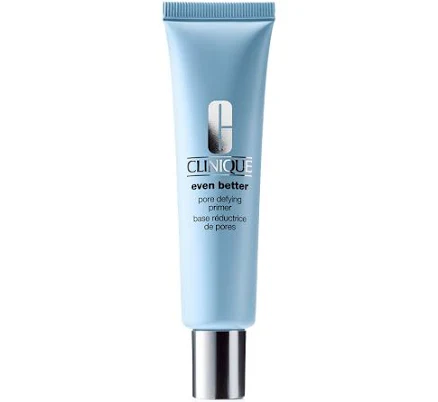
Clinique · Foundation & Primer
Clinique Even Better Pore Defying Primer
Limited PFAS risk data; no transparency from brand on ingredients.
Clinique does not disclose PFAS use or absence in this primer. Cosmetic primers rarely require PFAS, but ingredient opacity limits confidence in lower risk assessment.
The better-graded swap
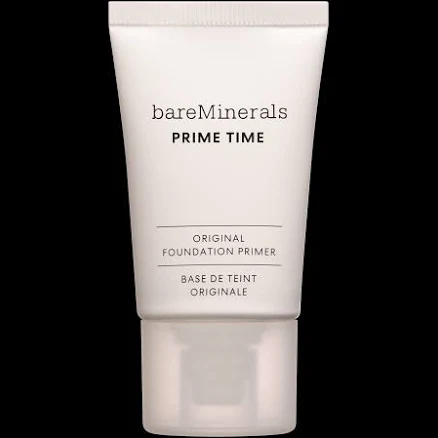
Bare Minerals
bareMinerals Original Prime Time Foundation Primer
100/100 safety
Same rubric that flunked this product. The swap earned Excellent.
Still want this one anyway? Check the price on Amazon. We’d swap it.
Material
silicone, polymethyl methacrylate, pigments, fragrance
Lab data
No public lab test
You may also be interested in
Top-graded picks in the categories readers replace first, every one scored on the same rubric.

- polypropylene filter housing, carbon/sediment cartridge
- We found no PFAS statement from the brand
- Bacterial growth in spent cartridges
3 hazards checked on this product, all on its full breakdown.

Aquasure
Premier Series 75 GPD Under Sink Reverse Osmosis Water Filtration System
- RO membrane, carbon filters, stainless steel housing
- We found no PFAS statement from the brand
- Bacterial and microbial growth in housing and filters
4 hazards checked on this product, all on its full breakdown.

Avocado
Vegan Mattress
- organic cotton, natural latex, coconut coir, recycled steel coils
- The brand calls it PFAS-free, which we have not verified
- Heavy metals
2 hazards checked on this product, all on its full breakdown.
What Clinique Even Better Pore Defying Primer is made of, ingredients and materials
This primer is primarily silicone, a synthetic polymer that forms a smooth film on skin and does not degrade into microplastics during normal use. Polymethyl methacrylate (PMMA) is added as a film-former and texture agent; neither silicone nor PMMA are known to leach into skin or break down into harmful particles under cosmetic application conditions. Pigments and fragrance are included for color and scent, the main sources of potential concern in this formulation.
What’s concerning
Category baseline
The starting point for this type of product, before anything specific to this product is counted.
No PFAS disclosure
No public statement from the brand about PFAS in this product.
Fragrance allergens (undisclosed components)
Clinique does not disclose fragrance ingredients (typically protected as trade secret). Fragrance mixtures in cosmetics can contain allergens such as limonene or eugenol; individuals with sensitive skin or fragrance sensitivity should patch-test on the inner arm first.
Skin irritation from PMMA microparticles
PMMA particles are insoluble and designed to remain on the skin surface as a film-former. In rare cases, individuals with very sensitive or compromised skin barrier may experience mild irritation; this is not a widespread concern but should be monitored in first use.
What’s reassuring
Heavy metals
No recalls or public testing has flagged lead, cadmium, or other heavy metals in Clinique primers. Cosmetic pigments are regulated by the FDA, and reputable brands source from suppliers with heavy-metal testing protocols, though Clinique does not publicly disclose testing data.
Source, FDA ↗1,4-dioxane in fragrance or emulsifiers
This is a contaminant concern in some cosmetics but is not reported in Clinique primers. The product label does not name ethoxylated ingredients known to be 1,4-dioxane sources; however, Clinique does not publish detailed contaminant testing.
Formaldehyde / VOCs
No formaldehyde-releasers (e.g., DMDM hydantoin, imidazolidinyl urea) are listed in disclosed ingredients. Clinique typically uses safer preservative systems in premium lines, though full preservative identity is not always transparent.
Source, ATSDR ↗How is this PFAS grade calculated?
The brand's record and disclosure
Clinique (Estée Lauder Companies) does not publicly disclose ingredient sourcing or manufacturing processes in detail, and the brand has not made transparency statements about PFAS use or avoidance in primers or other products. The brand maintains no public third-party certifications (e.g., Clean Beauty, EWG Verified) for this product line. No recalls or safety controversies specific to this primer are on record.
How it compares in its category
Silicone-based primers are mainstream in cosmetics and carry lower documented chemical hazard profiles than water-based or talc-containing alternatives. This product does not contain talc (a known concern in loose powders) and does not use formaldehyde-releasing preservatives as far as disclosed. Compared to primers with mineral oil or synthetic fragrance blends, silicone formulations generate fewer volatile organic compound complaints.
If you buy it
Store in a cool, dry place away from direct heat or sunlight to prevent separation or oxidation of silicone polymers. Use only on clean, dry skin; apply a small amount (pea-sized) to avoid buildup that can clog pores. Discontinue use if redness, itching, or irritation develops within the first week of application, as fragrance or pigment sensitivity can occur. Replace annually or if the product separates, hardens, or develops an off odor.
What is not known about PFAS in this product?
- Basis
- Model estimate, 45% confidence, not a lab result
- Lab test
- None on record for this exact product
- Brand statement
- Clinique has made a specific claim
Formulations change between production runs, so check the current label. How we grade.
What are the PFAS-free alternatives to Clinique Even Better Pore Defying Primer?
- mineral powder, silicones, mica
- The brand calls it PFAS-free, which we have not verified
- Fragrance allergen sensitization
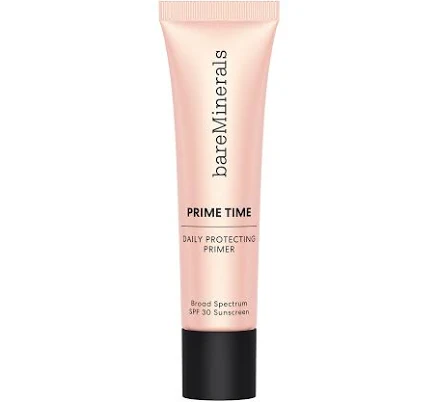
- mineral powder, silica, mica, talc
- The brand calls it PFAS-free, which we have not verified
- Talc inhalation
2 hazards checked on this product, all on its full breakdown.
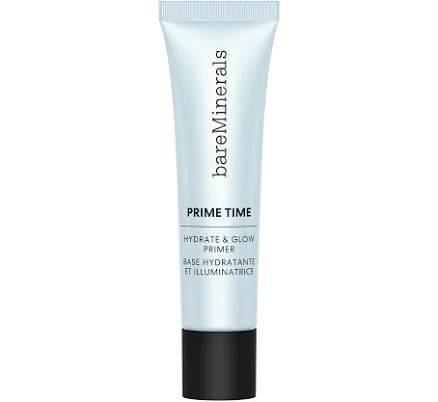
- mineral pigments, glycerin, plant extracts, silicones
- The brand calls it PFAS-free, which we have not verified
- Fragrance allergens and undisclosed fragrance components
2 hazards checked on this product, all on its full breakdown.
More foundation & primer grades
How we score, every product runs through the same public 0-100 rubric based on materials, coatings, brand disclosure, lab findings, and recalls. See the full methodology → Spotted a mistake? Report an error.