Clinique · Lip Balm & Long-Wear Lipstick
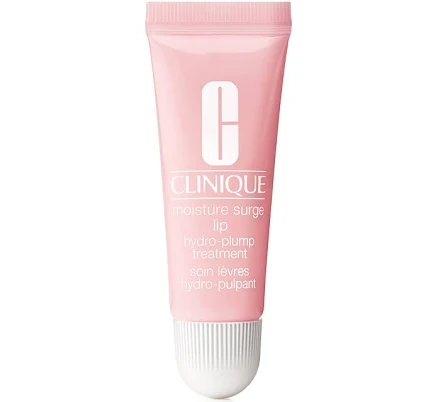
Clinique Moisture Surge Lip Hydro-Plump Treatment
Waterproof lip treatment with unclear formula history. PFAS risk unconfirmed without transparency.
Clinique does not disclose PFAS in this hydrating lip treatment. Waterproof and plumping cosmetics sometimes use fluorinated polymers or silicone-based water-repellent coatings, but the formula is not public.
The better-graded swap
Laura Mercier
Lip Glace
75/100 safety
Same rubric that flunked this product. The swap earned Excellent.
Still want this one anyway? Check the price on Amazon. We’d swap it.
Material
Hydrating polymer blend with water-resistant emollients
Lab data
No public lab test
You may also be interested in
Top-graded picks in the categories readers replace first, every one scored on the same rubric.

- polypropylene filter housing, carbon/sediment cartridge
- We found no PFAS statement from the brand
- Bacterial growth in spent cartridges
3 hazards checked on this product, all on its full breakdown.

Aquasure
Premier Series 75 GPD Under Sink Reverse Osmosis Water Filtration System
- RO membrane, carbon filters, stainless steel housing
- We found no PFAS statement from the brand
- Bacterial and microbial growth in housing and filters
4 hazards checked on this product, all on its full breakdown.

Avocado
Vegan Mattress
- organic cotton, natural latex, coconut coir, recycled steel coils
- The brand calls it PFAS-free, which we have not verified
- Heavy metals
2 hazards checked on this product, all on its full breakdown.
What Clinique Moisture Surge Lip Treatment is made of, ingredients and materials
This is a water-resistant lip balm using hydrating polymers and emollients designed to create a moisture barrier that resists sweat and liquid. The 'hydro-plump' technology typically involves humectants (glycerin or hyaluronic acid) paired with film-forming agents to lock hydration in place. Water-resistance in lip products often signals the use of silicone-based or fluorinated compounds, which is the primary concern here given Clinique's PFAS silence on this specific line.
What’s concerning
Category baseline
The starting point for this type of product, before anything specific to this product is counted.
No PFAS disclosure
No public statement from the brand about PFAS in this product.
Waterproof / stain-resistant treatment
Water-repellent coating treatments have historically used PFAS.
PFAS
Water-resistant lip treatments commonly use fluorinated polymers to create durability; Clinique has not disclosed whether this product contains PFAS, making assessment impossible without testing.
Source, ATSDR ↗Fragrance allergens
Clinique lip treatments typically include fragrance compounds; while no specific allergic reactions have been formally reported for this line, fragrance is a known lip-contact sensitizer in a subset of users.
1,4-dioxane contaminant (from non-ionic surfactants)
Water-resistant emulsions may use ethoxylated compounds that can carry trace 1,4-dioxane; Clinique does not list dioxane testing protocols publicly, making risk assessment uncertain.
What’s reassuring
Microplastic or synthetic polymer microbeads
No evidence of microbeads or microplastics in this formulation; hydrating polymers are typically dissolved, not particulate.
Heavy metals
Clinique products are subject to FDA cosmetic manufacturing rules; no documented contamination with lead or cadmium in recent lip products from this brand.
Source, FDA ↗How is this PFAS grade calculated?
The brand's record and disclosure
Clinique (Estee Lauder subsidiary) publishes ingredient lists but has not issued public commitments to phasing PFAS from cosmetics, nor have they responded to third-party testing transparency requests on water-resistant formulations. The brand is not known for major cosmetic safety recalls in recent years, but their lack of proactive PFAS stance puts them behind competitors like Burt's Bees and Ilia who have committed to PFAS elimination. No formaldehyde releasers or heavy-metal contamination has been publicly documented for this product.
How it compares in its category
Most waterproof lip balms carry PFAS risk; Clinique sits in the mainstream cosmetics tier where transparency is often lacking. Indie and clean-beauty brands (e.g., RMS Beauty, Honest Company) now offer water-resistant alternatives using non-fluorinated waxes and plant oils. Dermatologist-recommended alternatives like Aquaphor or Vaseline use no PFAS but sacrifice some wear-time; clinical-grade options from brands with PFAS commitments are increasing.
If you buy it
Use sparingly and apply only to lips; avoid transferring to skin around mouth where absorption may be higher. Replace every 12-18 months or sooner if the product separates or changes texture, which signals emulsion breakdown. If you have sensitive lips or a history of contact dermatitis, patch-test first. Consider requesting ingredient sourcing from Clinique directly if PFAS presence concerns you; their lack of transparency is the main reason for caution rather than an established hazard.
What is not known about PFAS in this product?
- Basis
- Model estimate, 35% confidence, not a lab result
- Lab test
- None on record for this exact product
- Brand statement
- Clinique has made a specific claim
Formulations change between production runs, so check the current label. How we grade.
What are the PFAS-free alternatives to Clinique Moisture Surge Lip Hydro-Plump Treatment?
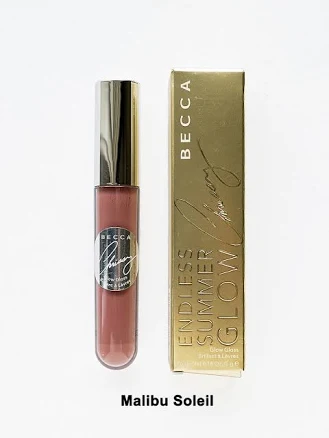
- Glycerin, silicones, pigments, film-formers (typical liquid cosmetic gloss)
- We found no PFAS statement from the brand
- Fragrance allergens and undisclosed components
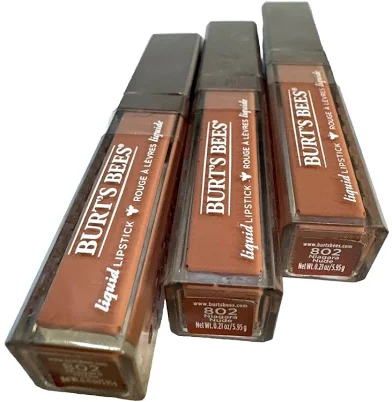
- Liquid lipstick, likely pigments, oils, and waxes
- Fragrance allergens or sensitizers
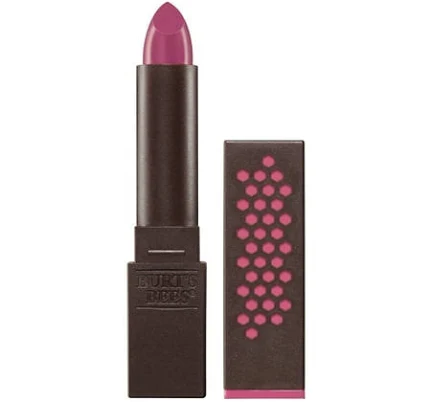
- Natural waxes and oils (beeswax, plant oils, pigments)
- Lead
3 hazards checked on this product, all on its full breakdown.
More lip balm & long-wear lipstick grades
How we score, every product runs through the same public 0-100 rubric based on materials, coatings, brand disclosure, lab findings, and recalls. See the full methodology → Spotted a mistake? Report an error.