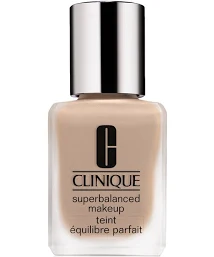
Clinique Superbalanced Makeup
Lower concern. Typical mineral-based makeup with no known PFAS triggers.
Clinique Superbalanced Makeup uses standard talc and mineral pigments without waterproofing or stain-resistance coatings. No PFAS disclosure found, but cosmetic formulations of this type rarely contain PFAS.
We flunk more products than we pass. This one earned its grade. How we grade
Material
Talc, mineral pigments, silicone
Lab data
No public lab test
You may also be interested in
Top-graded picks in the categories readers replace first, every one scored on the same rubric.

- polypropylene filter housing, carbon/sediment cartridge
- We found no PFAS statement from the brand
- Bacterial growth in spent cartridges
3 hazards checked on this product, all on its full breakdown.

Aquasure
Premier Series 75 GPD Under Sink Reverse Osmosis Water Filtration System
- RO membrane, carbon filters, stainless steel housing
- We found no PFAS statement from the brand
- Bacterial and microbial growth in housing and filters
4 hazards checked on this product, all on its full breakdown.

Avocado
Vegan Mattress
- organic cotton, natural latex, coconut coir, recycled steel coils
- The brand calls it PFAS-free, which we have not verified
- Heavy metals
2 hazards checked on this product, all on its full breakdown.
What Clinique Superbalanced Makeup is made of, ingredients and materials
Clinique Superbalanced Makeup is a talc-based pressed powder foundation formulated with mineral pigments and silicone. Talc serves as an absorbent, slip agent, and coverage builder in powder cosmetics; silicone provides smoothness and wear. The mineral pigments (iron oxides, titanium dioxide, and mica) are inert colorants with established cosmetic safety records. This combination is typical for balancing formulas designed for oil control.
What’s concerning
Category baseline
The starting point for this type of product, before anything specific to this product is counted.
No PFAS disclosure
No public statement from the brand about PFAS in this product.
Talc, asbestos contamination risk
Talc ore deposits can contain asbestos fibers. No public asbestos testing results or supply-chain certification from Clinique is available. FDA does not mandate asbestos testing for cosmetic talc, making verification difficult for consumers.
Talc, inhalation risk during application
Chronic inhalation of talc powder is associated with respiratory irritation and talcosis in occupational settings. Consumer-level risk from occasional makeup use is lower, but sensitive individuals or those with asthma should minimize powder inhalation.
What’s reassuring
Base material not linked to PFAS
The main material recorded for this product is not one associated with PFAS.
Heavy metals
Iron oxides, titanium dioxide, and mica used in this product are not documented sources of lead or cadmium in cosmetic formulations. No recalls or regulatory alerts for this specific product on heavy-metal grounds.
Source, FDA ↗Formaldehyde / VOCs
No formaldehyde-releasing preservatives are documented in Clinique Superbalanced Makeup ingredient lists. Silicone and mineral bases do not typically require formaldehyde-donor preservatives.
Source, ATSDR ↗Fragrance allergen content
This product is not listed as fragrance-free, but ingredient transparency regarding fragrance components is not public. Fragrance sensitizers are possible but not confirmed on record for this formulation.
How is this PFAS grade calculated?
The brand's record and disclosure
Clinique (Estée Lauder subsidiary) does not publicly disclose talc sourcing, asbestos testing protocols, or third-party certification of their talc supply. The brand has not faced significant recalls or regulatory action for this product. Estée Lauder has not issued category-wide PFAS reduction commitments, placing Clinique in the 'silent' stance group. No formaldehyde releasers or phthalates are documented in available ingredient lists.
How it compares in its category
Talc-based powders remain the market standard for foundation coverage and oil absorption; this product is typical, not differentiated by material choice. Alternatives using rice starch, bismuth oxychloride, or talc-free blends exist but are less common in prestige makeup. Clinique's inclusion of silicone is industry-standard for blendability. No evidence suggests this formulation deviates from category norms in contaminant risk or stability.
If you buy it
Store in a cool, dry place away from direct heat or sunlight to prevent powder cake-hardening or pigment degradation. Use a clean brush or sponge to minimize bacterial growth in the pressed cake; replace every 12-18 months or if discoloration or odor appears. Do not inhale powder particles when applying; use in well-ventilated spaces. If talc sensitivity or respiratory concern is a personal issue, consult a dermatologist before use.
What is not known about PFAS in this product?
- Basis
- Model estimate, 72% confidence, not a lab result
- Lab test
- None on record for this exact product
- Brand statement
- Clinique has made a specific claim
Formulations change between production runs, so check the current label. How we grade.
More makeup grades
How we score, every product runs through the same public 0-100 rubric based on materials, coatings, brand disclosure, lab findings, and recalls. See the full methodology → Spotted a mistake? Report an error.