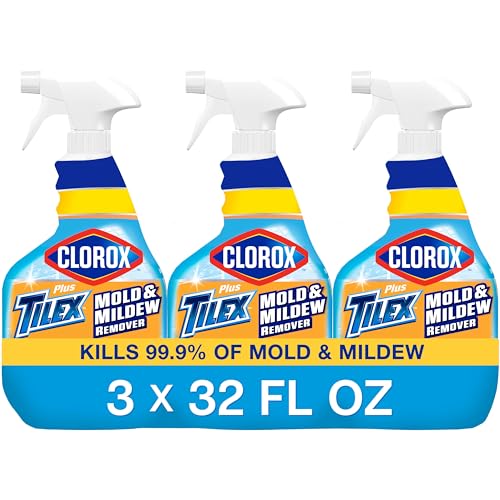
Clorox Clean-Up Cleaner + Bleach Spray & Mold Remover
Skip; household cleaners rarely disclose PFAS in packaging.
This bleach cleaner spray uses a plastic bottle with no published PFAS information. Standard household cleaners lack PFAS disclosure; choose glass bottles or bulk formats when possible.
We flunk more products than we pass. This one earned its grade. How we grade
Material
Bleach solution in plastic spray bottle
Lab data
No public lab test
You may also be interested in
Top-graded picks in the categories readers replace first, every one scored on the same rubric.

- polypropylene filter housing, carbon/sediment cartridge
- We found no PFAS statement from the brand
- Bacterial growth in spent cartridges
3 hazards checked on this product, all on its full breakdown.

Aquasure
Premier Series 75 GPD Under Sink Reverse Osmosis Water Filtration System
- RO membrane, carbon filters, stainless steel housing
- We found no PFAS statement from the brand
- Bacterial and microbial growth in housing and filters
4 hazards checked on this product, all on its full breakdown.

Avocado
Vegan Mattress
- organic cotton, natural latex, coconut coir, recycled steel coils
- The brand calls it PFAS-free, which we have not verified
- Heavy metals
2 hazards checked on this product, all on its full breakdown.
What Clorox Clean-Up Cleaner Mold Remover is made of, ingredients and materials
Clorox Clean-Up is a sodium hypochlorite bleach solution (typically 3-8% available chlorine) in a plastic spray bottle. The active ingredient is a strong oxidizer that kills bacteria, viruses, and mold on hard surfaces. The plastic housing must withstand bleach contact; Clorox formulates for compatibility with standard polyethylene (HDPE) spray bottles. No ceramic, enamel, or coating hazards apply here since this is a liquid product in rigid plastic packaging, not cookware or textiles.
What’s concerning
Category baseline
The starting point for this type of product, before anything specific to this product is counted.
No PFAS disclosure
No public statement from the brand about PFAS in this product.
Bleach inhalation and respiratory irritation
Sodium hypochlorite releases chlorine gas during spray application, especially in poor ventilation. Reported complaints of throat irritation, coughing, and asthma exacerbation in users; risk is higher in small bathrooms or homes with children or pets present.
Chemical incompatibility and toxic gas formation
Mixing bleach with ammonia-based cleaners, acids, or hydrogen peroxide produces chlorine gas or chloramines, which are acutely toxic. This is a well-documented misuse hazard; warnings are on the label, but accidental mixing remains a leading cause of poisoning calls to poison control.
Skin and eye contact corrosivity
Bleach solution at 3-8% available chlorine causes chemical burns to skin and eyes on direct contact. Spray application increases risk of splash; product labeling includes first-aid instructions (rinse with water) and is compliant with hazard communication standards.
Plastic bottle leachables under bleach contact
While HDPE bottles are bleach-compatible, prolonged contact or heat exposure may cause minor plastic degradation or release of oligomers. Risk is low with normal use; concern rises if bottle is stored in direct sunlight or above 85F for extended periods, as chlorine is corrosive to polymers over time.
Ingestion hazard in children
Bleach solutions are toxic if swallowed; accidental ingestion by young children is a common poisoning emergency. Spray bottle design and packaging do not present a unique risk compared to other bleach products, but storage out of reach is essential.
How is this PFAS grade calculated?
The brand's record and disclosure
Clorox maintains Safety Data Sheets and product labels that disclose chlorine content, hazard warnings, and first-aid instructions. The brand has no major recalls specific to this spray formulation in recent years. Clorox does not routinely disclose PFAS in household cleaner packaging; no public commitment to PFAS-free formulations is on record for this product line. The company is transparent about bleach as the active ingredient and provides clear cautions against mixing with other chemicals.
How it compares in its category
Bleach-based cleaners are the most common disinfectant in US households and remain the EPA-recommended standard for killing SARS-CoV-2, mold spores, and resistant bacteria on hard surfaces. Non-bleach alternatives (hydrogen peroxide, quaternary ammonia, or enzyme-based products) exist but are typically less broad-spectrum. Clorox's spray formulation is standard in the category; no material advantage or disadvantage versus store brands or other name-brand bleach sprays.
If you buy it
Always use in well-ventilated areas; chlorine gas released during spray application can irritate airways, especially in enclosed bathrooms or homes with respiratory sensitivities. Never mix with ammonia (in window or bathroom cleaners), acids, or other cleaners, as toxic gas mixtures form immediately. Store in a cool, dry place away from children and pets; the bottle cap should be tight to prevent leaks or corrosion. Replace the bottle if the spray nozzle corrodes, leaks, or the solution smells weak; bleach degrades over time, especially if exposed to light or heat.
What is not known about PFAS in this product?
- Basis
- Model estimate, 62% confidence, not a lab result
- Lab test
- None on record for this exact product
- Brand statement
- Clorox has made a specific claim
Formulations change between production runs, so check the current label. How we grade.
What are the PFAS-free alternatives to Clorox Clean-Up Cleaner + Bleach Spray & Mold Remover?

- Hypochlorous acid electrochemical solution
- A third party reports verifying it as PFAS-free
- Oxidizer / skin and eye irritation
3 hazards checked on this product, all on its full breakdown.
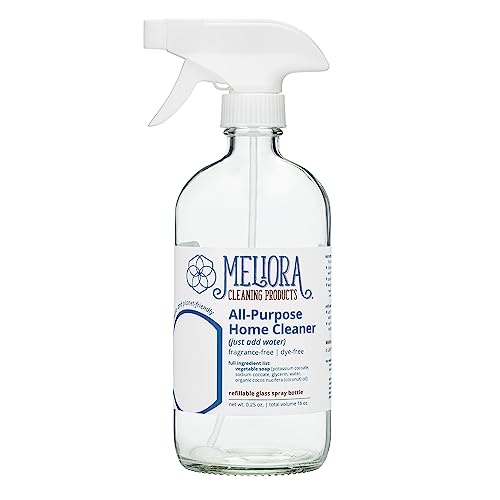
- Plant-derived surfactants, water, essential oils
- A third party reports verifying it as PFAS-free
- Essential oil inhalation and sensitization
3 hazards checked on this product, all on its full breakdown.
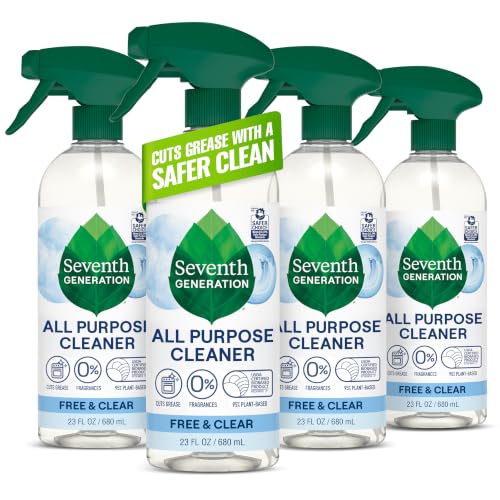
- water, plant-derived surfactants, mineral salts
- A third party reports verifying it as PFAS-free
- Skin irritation from surfactants
2 hazards checked on this product, all on its full breakdown.
More all-purpose cleaner grades
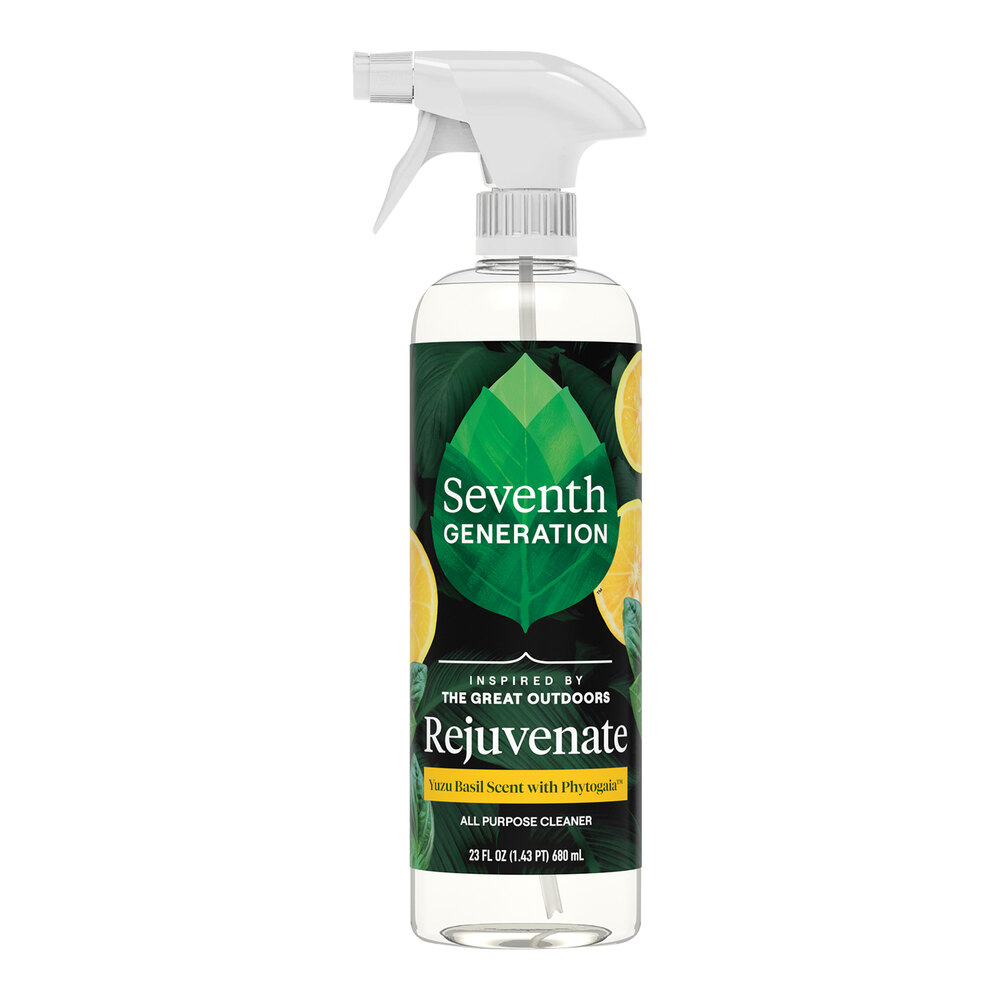 100Seventh Generation All Purpose Cleaner - Yuzu Basil with Phytogaia™
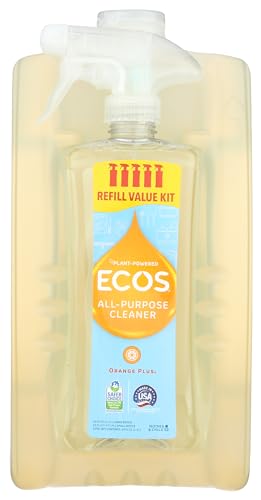 100ECOS All-Purpose Cleaner - Orange
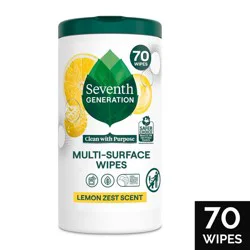 100Seventh Generation All Purpose Cleaner - Lemon Zest
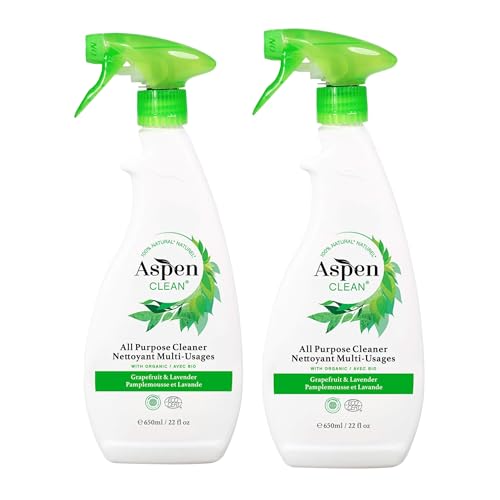 100AspenClean Natural All Purpose Cleaner
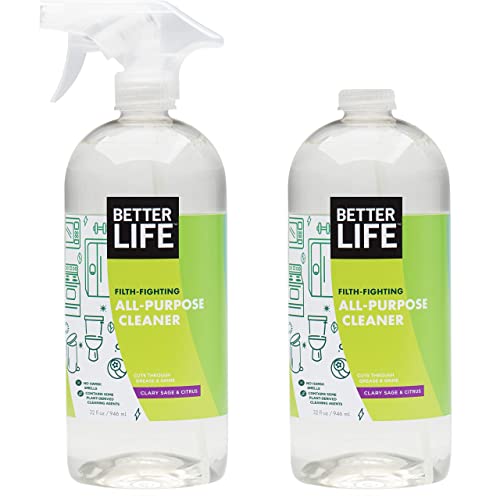 100Better Life All Purpose Cleaner
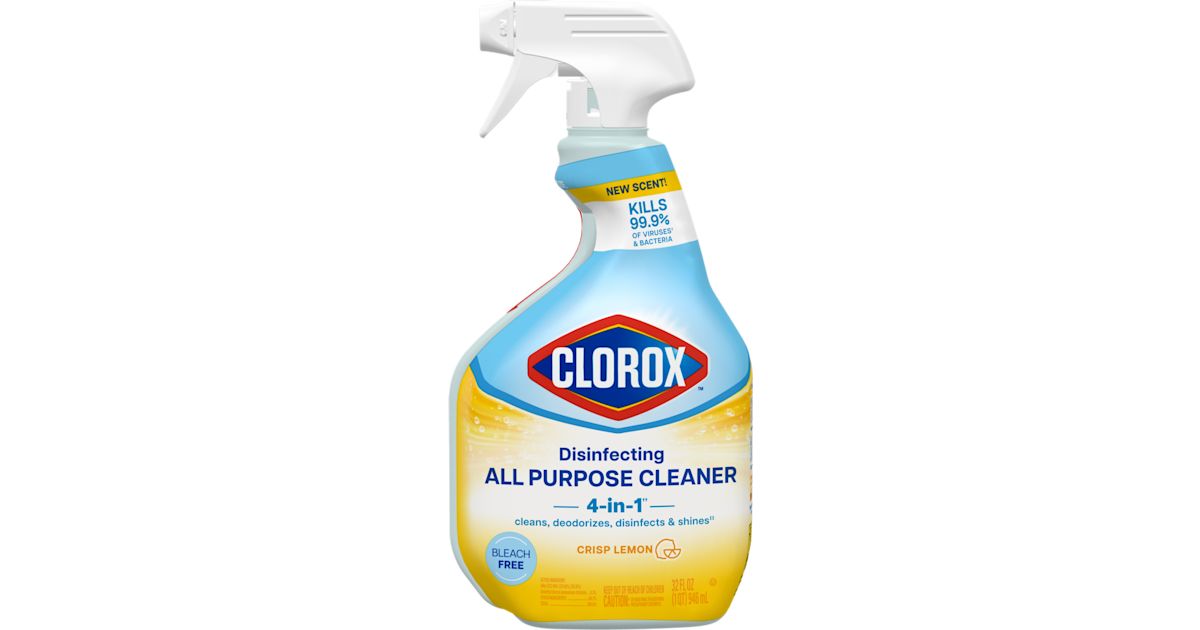 75Clorox Disinfecting All Purpose Cleaner Spray
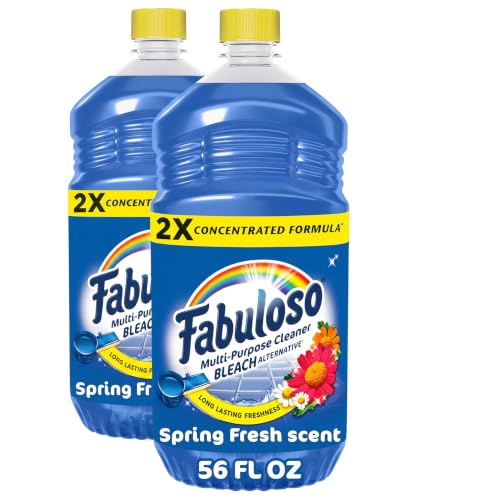 75Fabuloso 2X Multi-Purpose Cleaner, Tropical Spring Scent
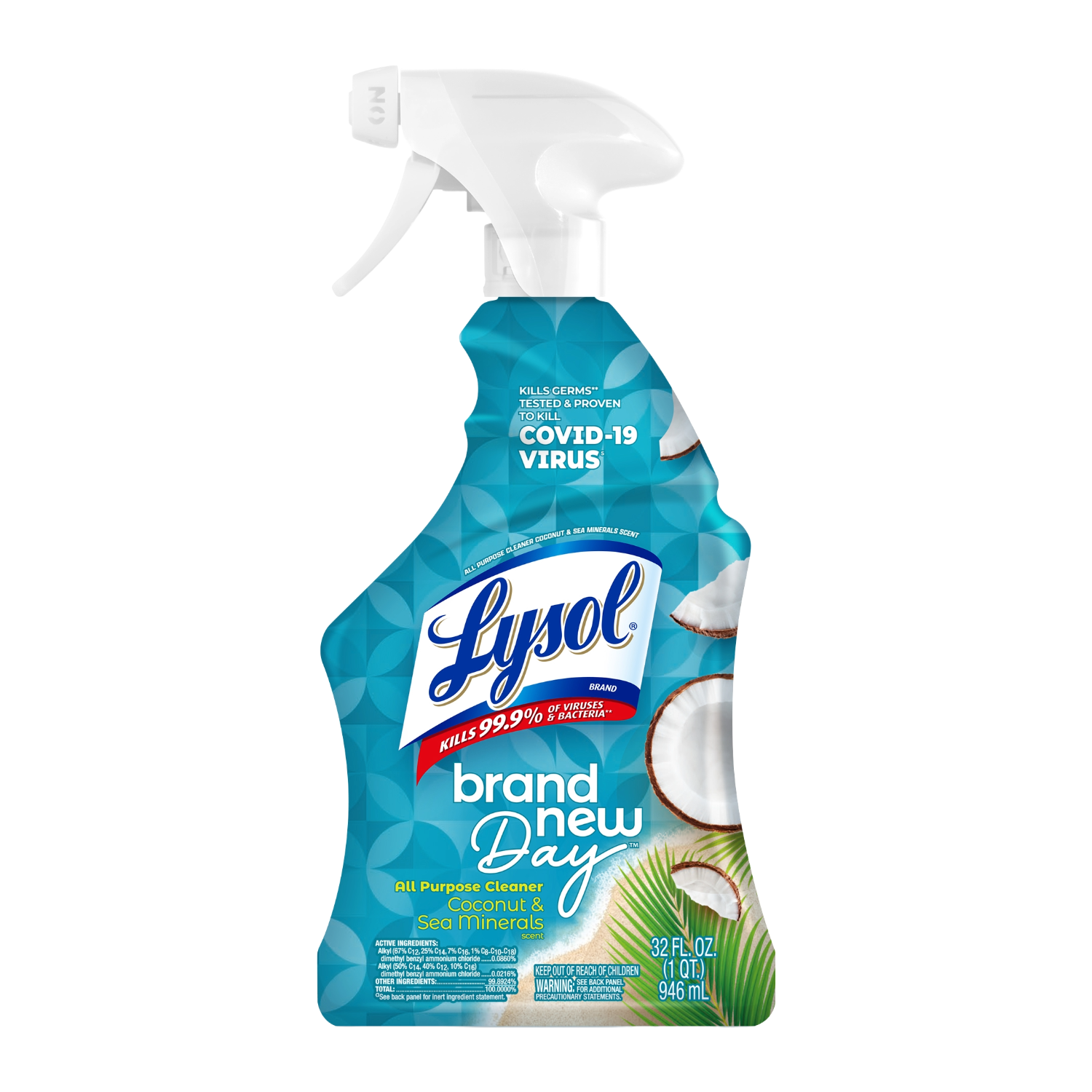 75Lysol All Purpose Cleaner Brand New Day Coconut & Sea Minerals
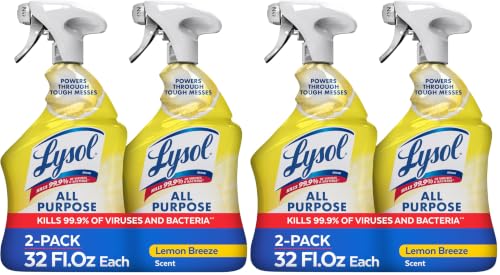 75Lysol All Purpose Cleaner Spray Lemon Breeze
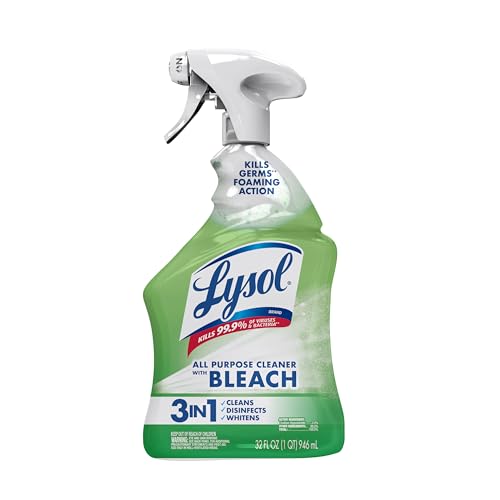 75Lysol Multi-Purpose Cleaner BleachCompare vs Force of Nature →All all-purpose cleaner →
How we score, every product runs through the same public 0-100 rubric based on materials, coatings, brand disclosure, lab findings, and recalls. See the full methodology → Spotted a mistake? Report an error.