Clorox Review, Is Clorox Non-Toxic?
Clorox averages 83 out of 100 on PFAS Authority's PFAS and toxin screen across the 36 Clorox products graded as of October 2026, and 35 of them reach its 70 point pass mark.
Clorox grades Excellent on our four-band scale.
PFAS Authority is a scoring system, not a laboratory. We do not test products ourselves. Grades are model-based, built from published ingredients, materials, certifications, brand disclosures and third-party lab results where they exist. See the rubric.
What Clorox says and does about PFAS
Clorox publishes an actual named restricted substances list for its US retail and professional cleaning products, and twelve specific perfluorinated chemicals appear on it, including PFOS and PFOA salts and long-chain perfluorinated carboxylic acids. Clorox says listed substances are not intentionally added to products in those categories. The word PFAS does not appear on that page, so the restriction is a list of named chemicals rather than a commitment covering PFAS as a class.
- Brand statementClorox says its principles and guidelines restrict the use of over 200 ingredients in its domestic cleaning products, and publishes the list. The Clorox Company ↗
- Brand statementClorox says the listed substances are not intentionally added to products in its US professional and retail cleaning categories. The Clorox Company ↗
- Brand statementThe list includes ammonium perfluorooctane sulfonate and long-chain perfluorinated carboxylic acids among twelve named perfluorinated entries, each with a CAS number. The Clorox Company ↗
- Legal caseThe Clorox Company is a named defendant in a 2022 class action alleging that independent laboratory testing found PFAS in Burt’s Bees lip products marketed as clean and natural. The products at issue are cosmetics from a Clorox-owned brand rather than Clorox-branded cleaning products, and the allegation is the plaintiffs’. Barrett v. The Clorox Company, No. 3:22-cv-02193 (N.D. Cal.), complaint ↗
- Regulatory filingWashington State will restrict the sale of cleaning products containing intentionally added PFAS from 1 January 2027, with reporting from 1 January 2026. The rule names product categories, not brands. Washington State Department of Ecology ↗
Sources checked October 1, 2026. A brand statement is the company’s own claim, which we report but have not verified. Our grades are model-based estimates, not lab tests.
You may also be interested in
Top-graded picks in the categories readers replace first, every one scored on the same rubric.

- polypropylene filter housing, carbon/sediment cartridge
- We found no PFAS statement from the brand
- Bacterial growth in spent cartridges
3 hazards checked on this product, all on its full breakdown.

Aquasure
Premier Series 75 GPD Under Sink Reverse Osmosis Water Filtration System
- RO membrane, carbon filters, stainless steel housing
- We found no PFAS statement from the brand
- Bacterial and microbial growth in housing and filters
4 hazards checked on this product, all on its full breakdown.

Avocado
Vegan Mattress
- organic cotton, natural latex, coconut coir, recycled steel coils
- The brand calls it PFAS-free, which we have not verified
- Heavy metals
2 hazards checked on this product, all on its full breakdown.
Does Clorox have PFAS, by category
Which Clorox products are PFAS-free? Good or better, best-graded first
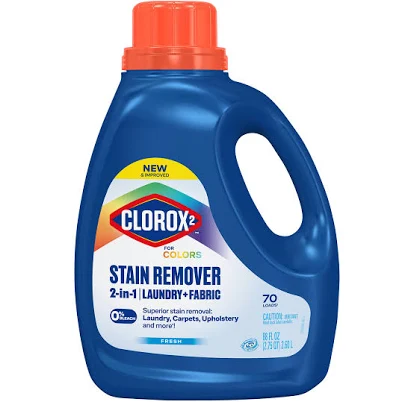
- liquid oxygen-based bleach, water, additives
- Skin and eye irritation. Oxygen-based bleach is a mild irritant at concentrate strength; diluted formula as…
4 hazards checked on this product, all on its full breakdown.
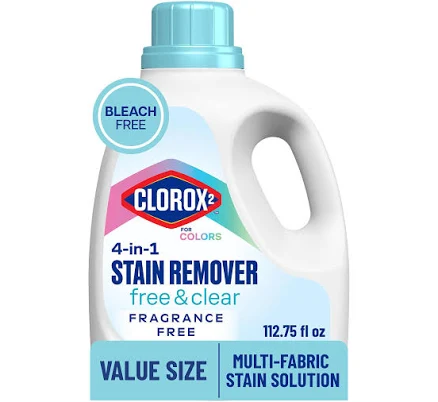
- Sodium percarbonate (oxidizer), surfactants, inert ingredients in aqueous solution
- Skin and eye irritation (sodium percarbonate concentrate). The active ingredient can cause redness, stinging…
4 hazards checked on this product, all on its full breakdown.
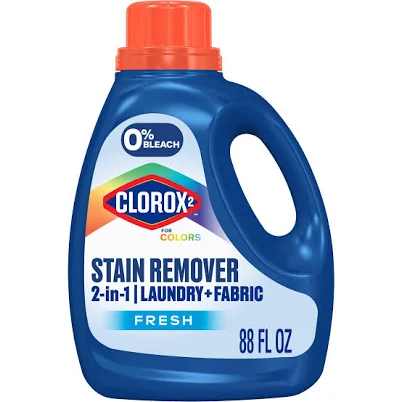
- Liquid oxidizing bleach (hydrogen peroxide) and surfactants
- Respiratory irritation from vapor/aerosol. Hydrogen peroxide vapors and surfactant mists can irritate eyes…
4 hazards checked on this product, all on its full breakdown.
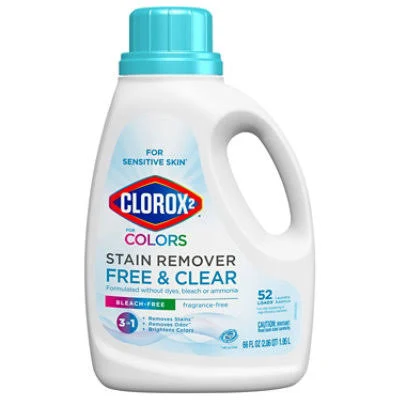
- liquid stain remover, surfactants and oxidizing agents
- Hydrogen peroxide irritation (skin/eyes/respiratory). Concentrated hydrogen peroxide can cause mild to…
5 hazards checked on this product, all on its full breakdown.
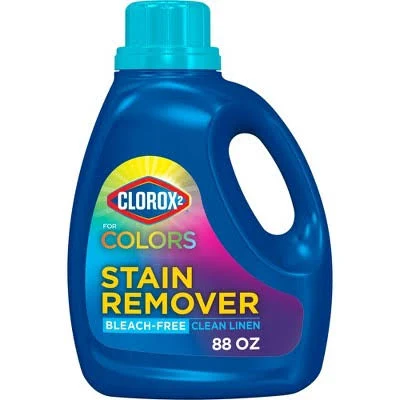
- liquid oxygen-based bleach, surfactants, water
- Hydrogen peroxide skin and eye irritation. Oxygen-based bleaches at spray concentration can irritate skin and…
4 hazards checked on this product, all on its full breakdown.
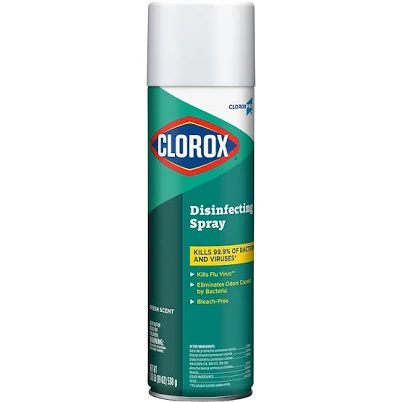
- Aqueous bleach solution with surfactants
- Sodium hypochlorite vapor inhalation. Bleach spray releases chlorine gas volatiles when applied indoors. This…
4 hazards checked on this product, all on its full breakdown.
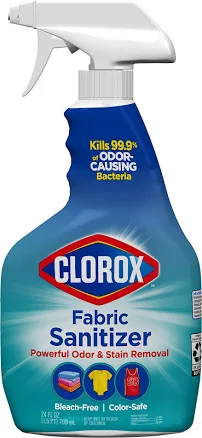
- Aqueous hypochlorous acid disinfectant spray (liquid)
- Inhalation of hypochlorous acid aerosol. Spray application creates fine mist; brief inhalation from normal…
3 hazards checked on this product, all on its full breakdown.
- Aqueous bleach solution with surfactants
- Sodium hypochlorite caustic burn risk. Direct contact with concentrated bleach can cause skin and eye…
4 hazards checked on this product, all on its full breakdown.
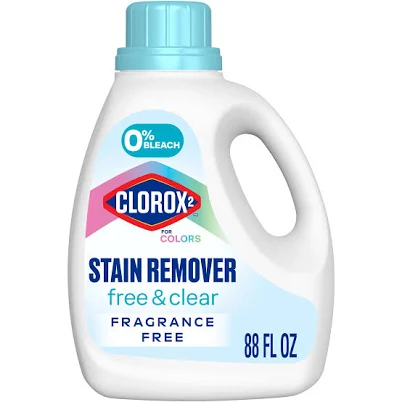
- Liquid hydrogen peroxide-based cleaner, aqueous solution
- Hydrogen peroxide respiratory irritation (inhalation exposure). At typical household concentrations (2-3%)…
4 hazards checked on this product, all on its full breakdown.
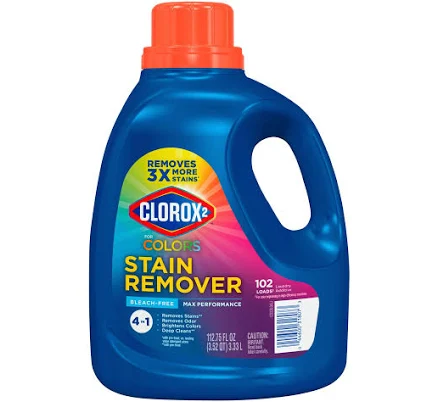
- liquid oxygen-based bleach, surfactants, water
- Surfactant skin and eye irritation. Concentrated liquid formulas carry caustic warnings; diluted use as…
4 hazards checked on this product, all on its full breakdown.
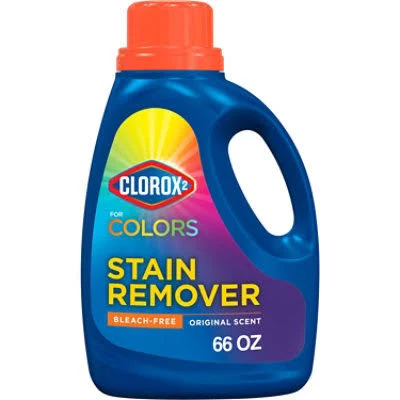
- Aqueous liquid stain remover, oxygen-based bleach formula
- Eye and skin irritation from oxidizing agents. Hydrogen peroxide at concentrations typical in Clorox 2…
4 hazards checked on this product, all on its full breakdown.
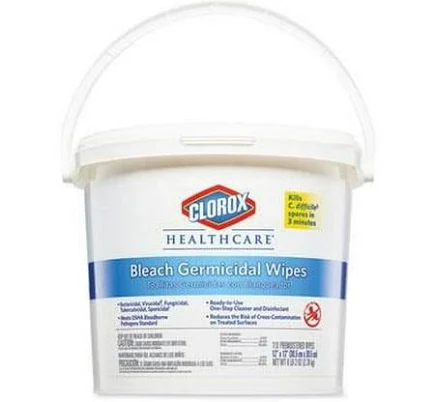
- Nonwoven polypropylene wipe with sodium hypochlorite bleach solution
- Sodium hypochlorite reactivity and inhalation risk. Bleach vapor exposure during vigorous wiping or in poorly…
3 hazards checked on this product, all on its full breakdown.
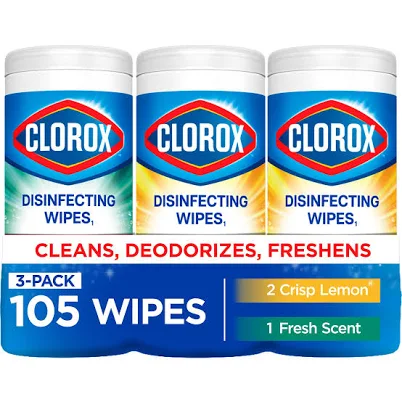
Clorox
Disinfecting Cleaning Wipes Variety Pack, Bleach Free, Fresh Scent and Crisp Lemon, 35 Count Each, Pack of 3
- nonwoven fabric wipes (polyester/polypropylene blend)
- Skin and respiratory irritation from cleaning actives (quaternary ammonium compounds and f. These wipes…
4 hazards checked on this product, all on its full breakdown.
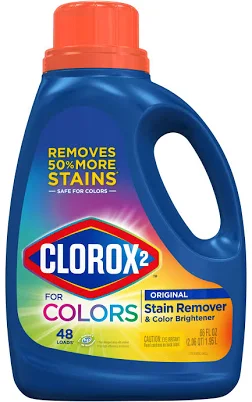
- Liquid hydrogen peroxide-based stain remover
- Hydrogen peroxide irritation (skin/eye contact). Concentrated hydrogen peroxide (typically 2-3% in this…
3 hazards checked on this product, all on its full breakdown.
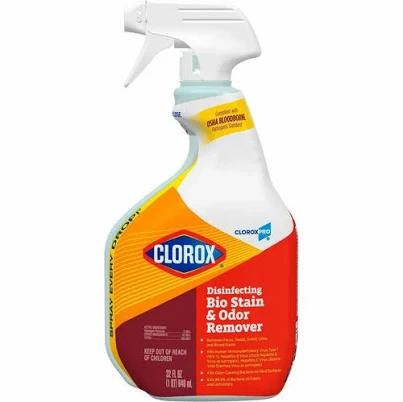
- aqueous enzymatic and surfactant cleaner solution
- Eye and mucous membrane irritation. Surfactants in aqueous cleaners can cause irritation if splashed or…
4 hazards checked on this product, all on its full breakdown.
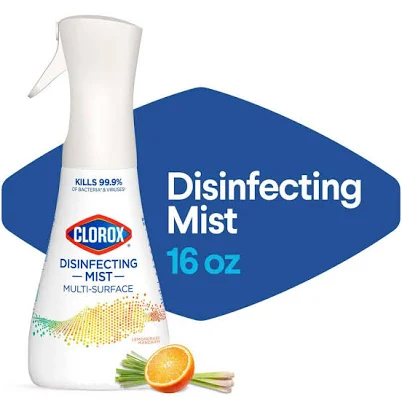
- Aqueous disinfectant spray (water, active ingredients, propellant)
- Inhalation of spray aerosols. Repeated inhalation of fine mist containing quaternary ammonium or hypochlorite…
4 hazards checked on this product, all on its full breakdown.
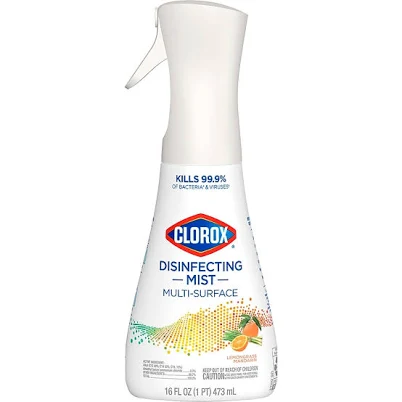
- Aqueous liquid cleaner concentrate
- Fragrance allergens and respiratory irritants. Eucalyptus and peppermint essential oils or synthetic…
5 hazards checked on this product, all on its full breakdown.
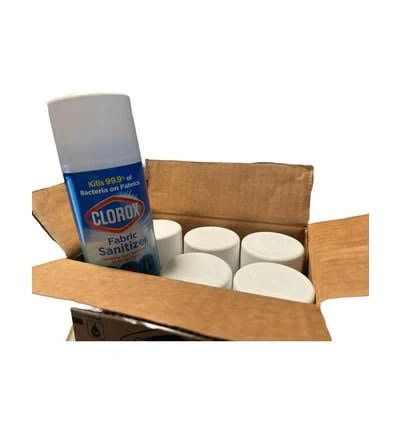
- aqueous fabric sanitizer solution (quaternary ammonium compounds, hypochlorite, water, surfactants)
- Fragrance allergens. Lavender scent formulation may contain limonene, linalool, or other volatile fragrance…
4 hazards checked on this product, all on its full breakdown.
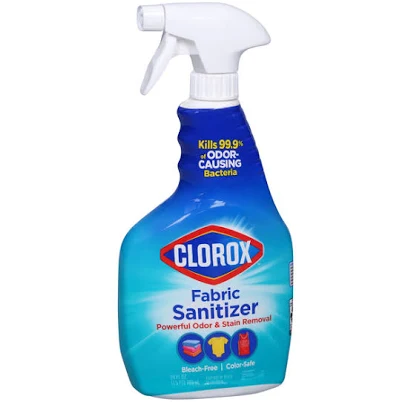
- Water, active antimicrobial agent, surfactants, preservatives
- Surfactant and preservative irritation. Quaternary ammonium compounds and common preservatives in spray…
3 hazards checked on this product, all on its full breakdown.
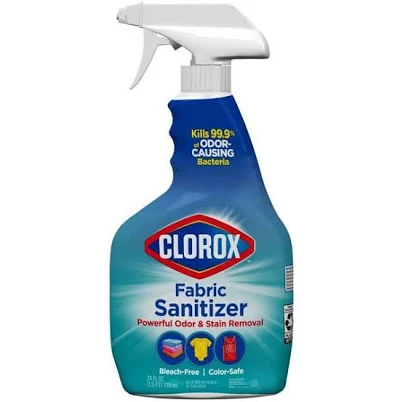
- Aqueous disinfectant solution in plastic trigger spray bottles
- Plastic bottle leachables (unspecified polymer composition). Clorox does not publicly specify the plastic…
5 hazards checked on this product, all on its full breakdown.
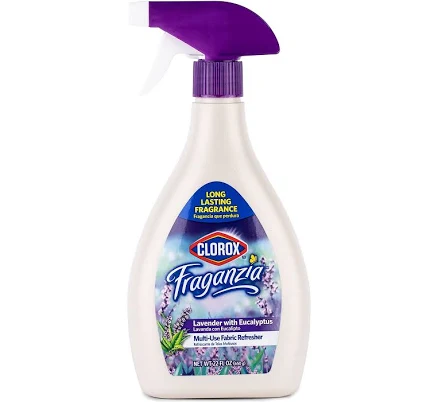
- Water, fragrance, and surfactants in spray liquid
- Fragrance allergens and respiratory sensitization. Proprietary fragrance blends in this spray are not fully…
3 hazards checked on this product, all on its full breakdown.
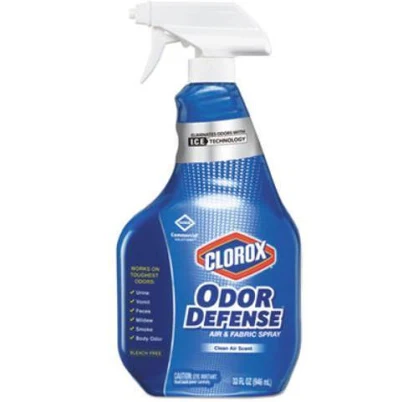
Clorox
Odor Defense Air & Fabric Spray 32 Fl Oz Bottle 9/case Bleach-Free Healthlink - 31708
- aqueous spray solution, fragrance, neutralizers
- Fragrance allergens and sensitivizers. Undisclosed fragrance blend may trigger respiratory irritation…
2 hazards checked on this product, all on its full breakdown.
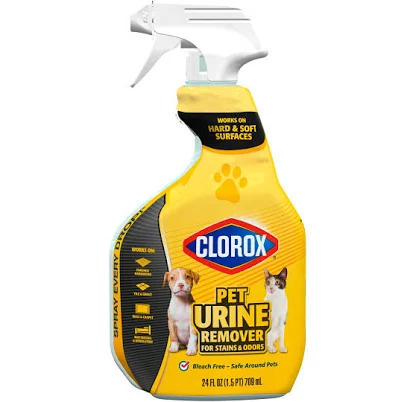
- aqueous enzymatic solution in plastic spray bottle
- Enzyme or surfactant allergenicity. Proteases in enzymatic cleaners can trigger respiratory or skin…
4 hazards checked on this product, all on its full breakdown.

- aqueous cleaner concentrate, surfactants and fragrance
- Fragrance allergens and respiratory irritants. Scentiva is specifically marketed for fragrance; undisclosed…
4 hazards checked on this product, all on its full breakdown.
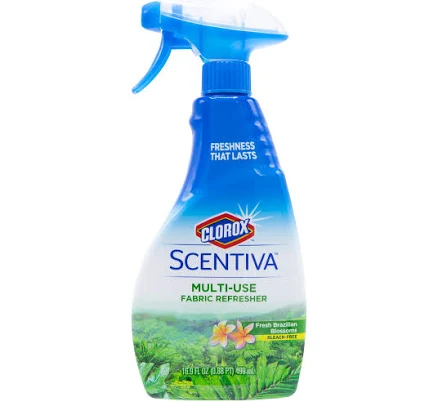
Clorox
Scentiva Multi-Use Fabric Refresher Spray Fabric Freshener for Closets Upholstery Curtains and Carpets
- Water-based spray formula in aerosol container
- Inhalation exposure from aerosol propellant and fragrance. All aerosol sprays carry inhalation risk from…
3 hazards checked on this product, all on its full breakdown.
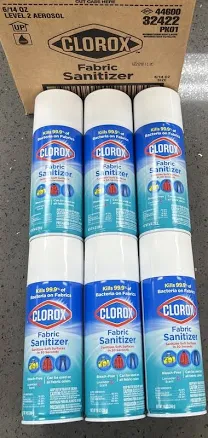
- aqueous spray solution (surfactants, water, fragrance)
- Fragrance sensitization and inhalation irritancy. Lavender fragrance concentrate in spray form can trigger…
3 hazards checked on this product, all on its full breakdown.
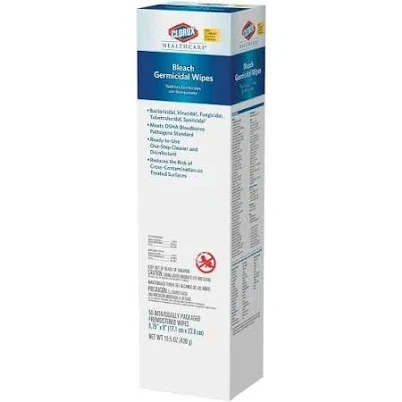
- Nonwoven wipe (cellulose/polypropylene blend); active ingredient sodium hypochlorite
- Skin and eye irritation from sodium hypochlorite. Sodium hypochlorite (0.5-8% in typical disinfectant wipes)…
4 hazards checked on this product, all on its full breakdown.
- nonwoven fabric wipes (likely polypropylene/polyester blend); active ingredients, sodium hypochlorite…
- Sodium hypochlorite irritation (eyes, skin, respiratory). Clorox Disinfecting Wipes contain sodium…
4 hazards checked on this product, all on its full breakdown.
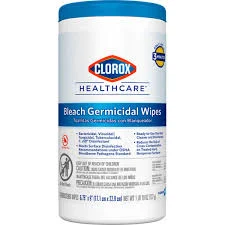
- nonwoven wipe substrate (likely polypropylene/cellulose blend) with bleach solution
- Sodium hypochlorite (bleach) skin and mucous membrane irritation. Direct contact or inhalation of bleach…
4 hazards checked on this product, all on its full breakdown.
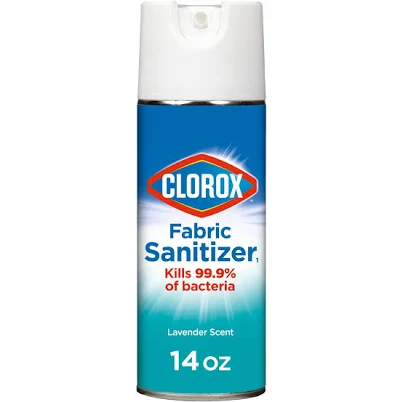
- aerosol propellant + quaternary ammonium surfactants + fragrance
- Aerosol inhalation and respiratory exposure. Prolonged or unventilated use of aerosol sprays can deliver fine…
5 hazards checked on this product, all on its full breakdown.
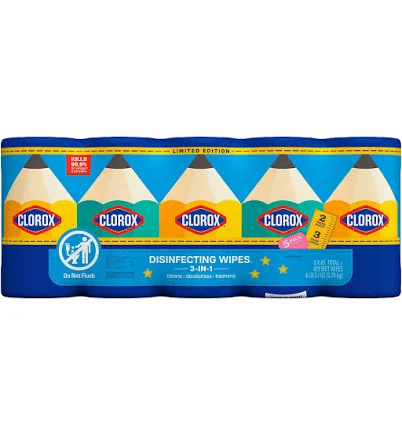
- nonwoven fabric wipes with surfactants and disinfectants
- Quaternary ammonium compound (quat) sensitization and irritation. Clorox wipes contain quats at…
5 hazards checked on this product, all on its full breakdown.
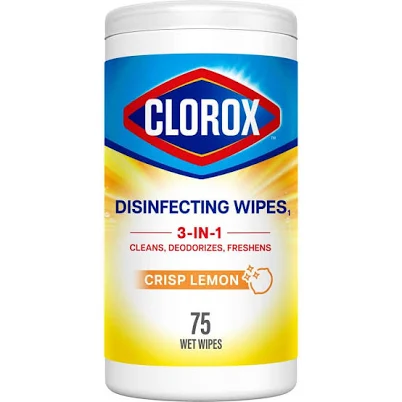
- Nonwoven polypropylene substrate with disinfectant surfactants
- Sodium hypochlorite (bleach) irritation and inhalation. Clorox wipes contain 0.55% sodium hypochlorite by…
5 hazards checked on this product, all on its full breakdown.
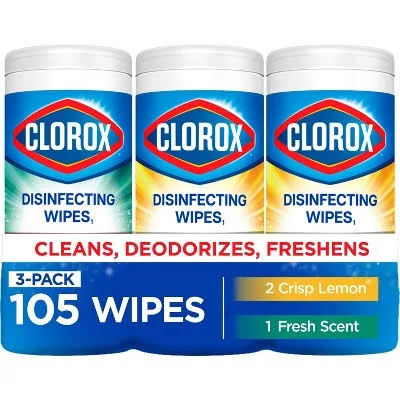
- nonwoven fabric (polypropylene, polyester blend), disinfectant active ingredient unknown composition
- Undisclosed disinfectant chemistry and hidden actives. The proprietary disinfectant formulation is not…
4 hazards checked on this product, all on its full breakdown.
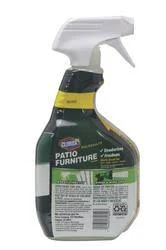
- aqueous cleaning solution
- Surfactant and irritant skin/eye exposure. Aqueous cleaners with surfactants can cause skin and eye…
3 hazards checked on this product, all on its full breakdown.
- nonwoven fabric blend, no specified coating
- Sodium hypochlorite (bleach) irritancy to skin and mucous membranes. Bleach is the active disinfectant and is…
4 hazards checked on this product, all on its full breakdown.
Which Clorox products contain PFAS? Poor and Bad, we’d swap these
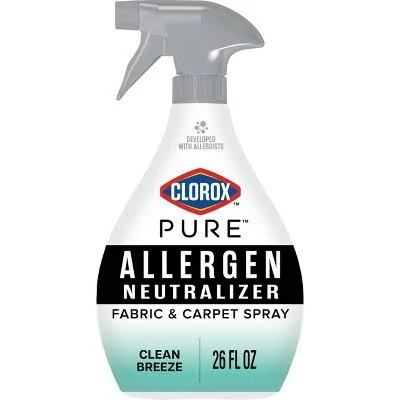
- Spray formulation; fabric/carpet treatment (active ingredient neutralizes allergens)
- PFAS. Clorox does not publicly disclose whether this formulation contains per- or polyfluoroalkyl substances…
4 hazards checked on this product, all on its full breakdown.
Find an alternative on AmazonWhat to buy instead Good or better, in the categories Clorox sells
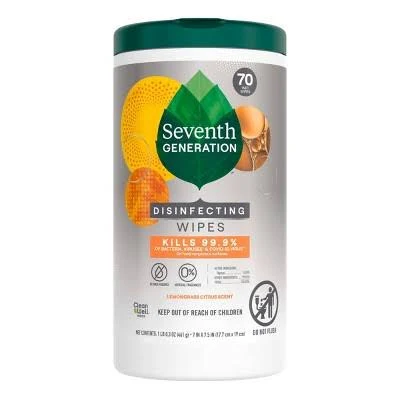
Seventh Generation Disinfecting Wipes
Disinfecting Wipes Seventh Generation
- nonwoven fabric (polypropylene/polyester blend), quaternary ammonium disinfectant
- We found no PFAS statement from the brand
- Quaternary ammonium irritation (skin/eye)
2 hazards checked on this product, all on its full breakdown.
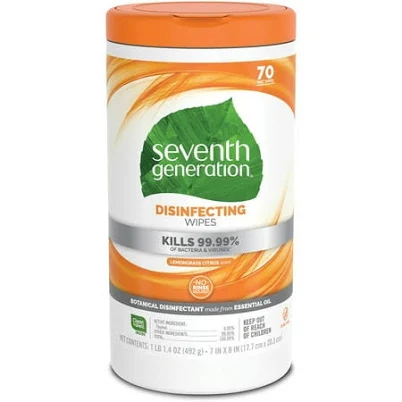
- nonwoven fabric wipes (likely polypropylene or cellulose blend)
- Allergens in botanical actives
2 hazards checked on this product, all on its full breakdown.
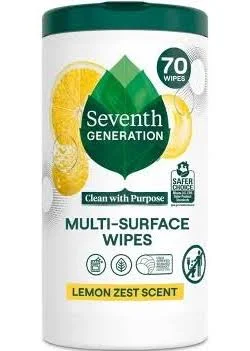
- nonwoven fabric blend (cellulose/synthetic fibers)
- Skin irritation from quaternary ammonium compounds
2 hazards checked on this product, all on its full breakdown.
Clorox and PFAS, common questions
- Does Clorox have PFAS?
- Clorox averages 83 out of 100 on PFAS Authority's PFAS and toxin screen across the 36 Clorox products graded as of October 2026, and 35 of them reach its 70 point pass mark. Grades are model-based estimates built from published materials, ingredients and disclosures, not lab tests. Clorox lists twelve named perfluorinated chemicals, including PFOS and PFOA salts, among the substances it says are not intentionally added to its US retail and professional cleaning products. The list names individual chemicals rather than restricting PFAS as a class, and it covers cleaning products only.
- Is Clorox non-toxic?
- Clorox 2 for Colors Original Scent Liquid Stain, Odor Remover, Color Brightener is the highest-graded Clorox product we have scored, at 85/100. It depends on the product line rather than the brand, so check the grade of the exact item you are buying.
- Which Clorox products are lower concern for PFAS?
- The highest-graded Clorox products we have scored are Clorox 2 for Colors Original Scent Liquid Stain, Odor Remover, Color Brightener, Clorox 2 Stain Remover & Color Booster, Clorox 2 88-fl oz Laundry Stain Remover. That is our model-based estimate from materials and public disclosure, not a lab test.
- Which Clorox products should I avoid?
- The lowest-graded Clorox products we have scored are Clorox Pure Allergen Neutralizer Fabric & Carpet Spray. Each one links to the evidence behind its grade.
Every grade uses the same public rubric. How grades work →