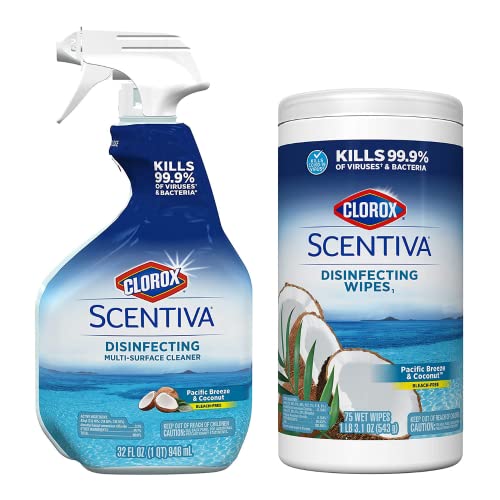
Clorox Scentiva Disinfecting Multi-Surface Cleaner Spray
Limited PFAS concern for liquid cleaner, but Clorox discloses nothing.
Liquid cleaners typically carry lower PFAS risk than coated products. Clorox makes no public PFAS disclosures for this spray; formulation details are proprietary.
We flunk more products than we pass. This one earned its grade. How we grade
Material
water, surfactants, fragrance blend
Lab data
No public lab test
You may also be interested in
Top-graded picks in the categories readers replace first, every one scored on the same rubric.

- polypropylene filter housing, carbon/sediment cartridge
- We found no PFAS statement from the brand
- Bacterial growth in spent cartridges
3 hazards checked on this product, all on its full breakdown.

Aquasure
Premier Series 75 GPD Under Sink Reverse Osmosis Water Filtration System
- RO membrane, carbon filters, stainless steel housing
- We found no PFAS statement from the brand
- Bacterial and microbial growth in housing and filters
4 hazards checked on this product, all on its full breakdown.

Avocado
Vegan Mattress
- organic cotton, natural latex, coconut coir, recycled steel coils
- The brand calls it PFAS-free, which we have not verified
- Heavy metals
2 hazards checked on this product, all on its full breakdown.
What Clorox Scentiva Disinfecting Cleaner Spray is made of, ingredients and materials
Clorox Scentiva is a water-based disinfecting spray built on surfactants (cleaning agents), fragrance blend, and likely sodium hypochlorite or similar active disinfectant. The water base eliminates risk of plastic leaching or ceramic coating degradation. The primary hazard tier shifts to respiratory and dermal exposure during spraying and skin contact, plus fragrance allergen potential from the undisclosed fragrance blend.
What’s concerning
Category baseline
The starting point for this type of product, before anything specific to this product is counted.
No PFAS disclosure
No public statement from the brand about PFAS in this product.
Fragrance allergen (undisclosed blend)
Scentiva's fragrance blend is not itemized on the label or safety data sheet. Fragrance mixes commonly contain limonene, linalool, and other terpenes that can trigger contact dermatitis or respiratory sensitization in susceptible individuals; no independent testing of this product's specific blend is on record.
Respiratory irritation from spray aerosol and surfactants
Disinfecting spray inhalation during application is a known risk class for surfactant-based cleaners. Clorox does not disclose surfactant concentrations or recommend respiratory protection, though the EPA-registered formula is formulated for household use at label dilution and concentration.
Skin irritation from surfactants and disinfectant active
Surfactants and sodium hypochlorite (or equivalent disinfectant) can cause dermal irritation or allergic contact dermatitis on prolonged or repeated unprotected skin contact. No brand-specific incident data is public, but the hazard class is inherent to the product chemistry.
Eye irritation from spray mist
Spray disinfectants are eye irritants by formulation class; accidental splash into eyes is a known risk. Clorox Scentiva carries standard precautionary labeling but no novel mitigation is apparent in product design.
Lack of fragrance and surfactant transparency
Clorox's trade-secret fragrance disclosure and generic surfactant labeling prevent independent assessment of allergen or sensitization potential. Consumers with known fragrance sensitivities have limited ability to make informed decisions.
How is this PFAS grade calculated?
The brand's record and disclosure
Clorox has a long-standing history of chemical safety compliance in the US but remains opaque on detailed ingredient disclosure for fragrances, listing them as a protected trade secret. No major recalls specific to Scentiva Disinfecting Multi-Surface Cleaner are on public record. The brand maintains EPA registration for disinfectant claims but does not proactively publish safety certifications or third-party testing for fragrance allergens or VOC content.
How it compares in its category
Among mainstream disinfecting sprays, Clorox Scentiva is mid-market in transparency. Competitors like Seventh Generation or Method offer fuller ingredient lists and fragrance transparency; conventional alternatives like Lysol spray share similar fragrance opacity. The surfactant-based formula is less likely to leave residue than some alcohol-based competitors, reducing re-exposure risk on frequently touched surfaces.
If you buy it
Use in well-ventilated spaces to minimize inhalation of spray mist and fragrance volatiles, especially in small bathrooms or kitchens. Avoid spraying near the face or on surfaces a child or pet will mouth. Wear gloves if you have sensitive skin or fragrance sensitivities, as surfactants and fragrance can cause irritation on repeated contact. Store upright in a cool place away from heat; check the spray nozzle for clogs quarterly to avoid forceful aerosolization when next used.
What is not known about PFAS in this product?
- Basis
- Model estimate, 45% confidence, not a lab result
- Lab test
- None on record for this exact product
- Brand statement
- Clorox has made a specific claim
Formulations change between production runs, so check the current label. How we grade.
What are the PFAS-free alternatives to Clorox Scentiva Disinfecting Multi-Surface Cleaner Spray?

- Hypochlorous acid electrochemical solution
- A third party reports verifying it as PFAS-free
- Oxidizer / skin and eye irritation
3 hazards checked on this product, all on its full breakdown.
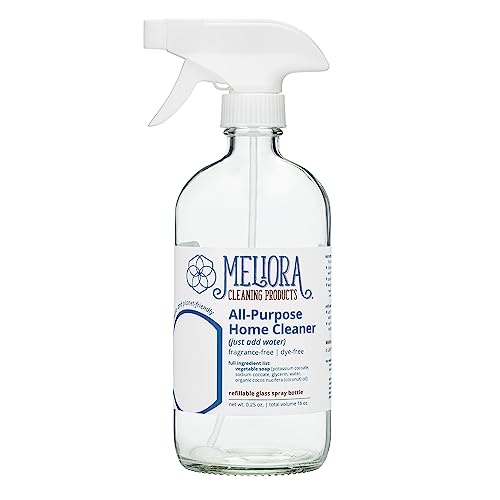
- Plant-derived surfactants, water, essential oils
- A third party reports verifying it as PFAS-free
- Essential oil inhalation and sensitization
3 hazards checked on this product, all on its full breakdown.
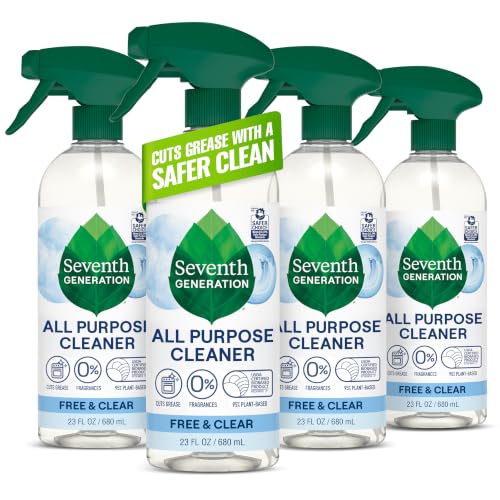
- water, plant-derived surfactants, mineral salts
- A third party reports verifying it as PFAS-free
- Skin irritation from surfactants
2 hazards checked on this product, all on its full breakdown.
More all-purpose cleaner grades
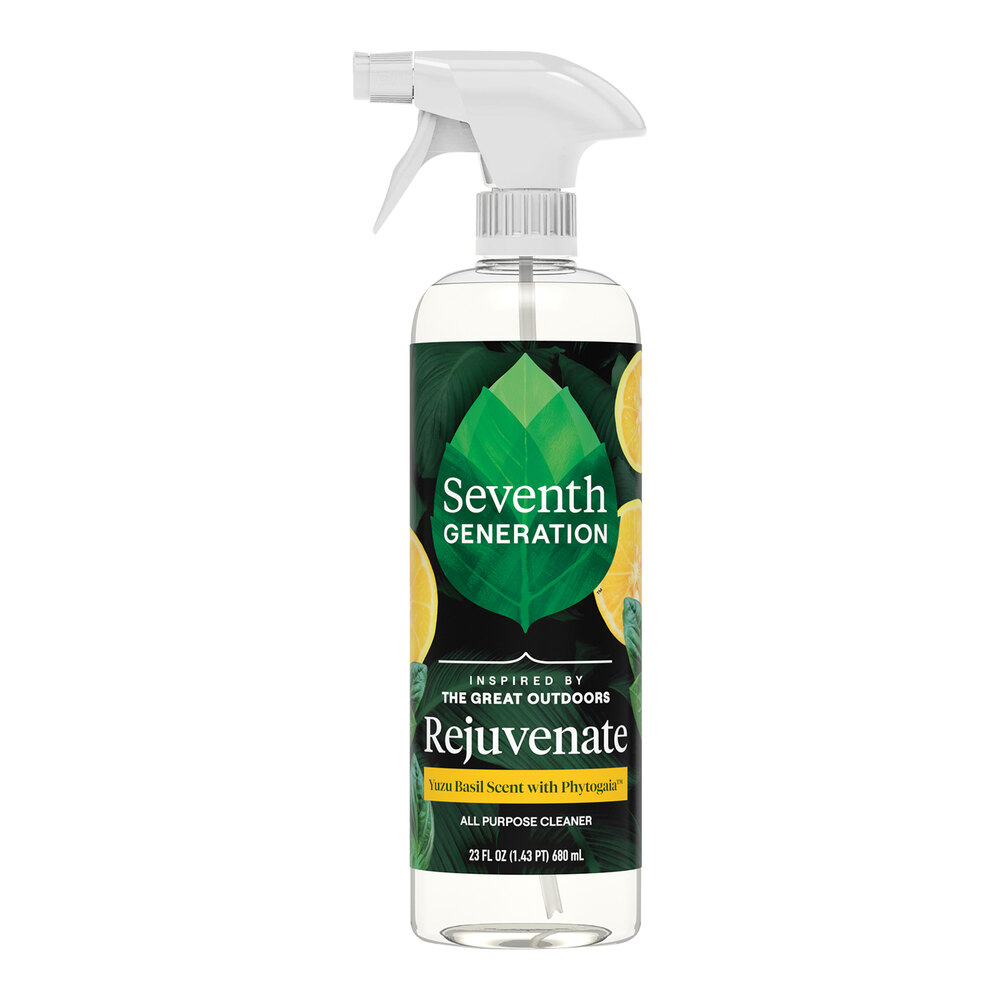 100Seventh Generation All Purpose Cleaner - Yuzu Basil with Phytogaia™
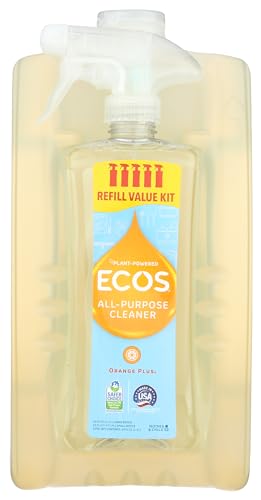 100ECOS All-Purpose Cleaner - Orange
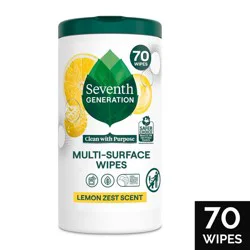 100Seventh Generation All Purpose Cleaner - Lemon Zest
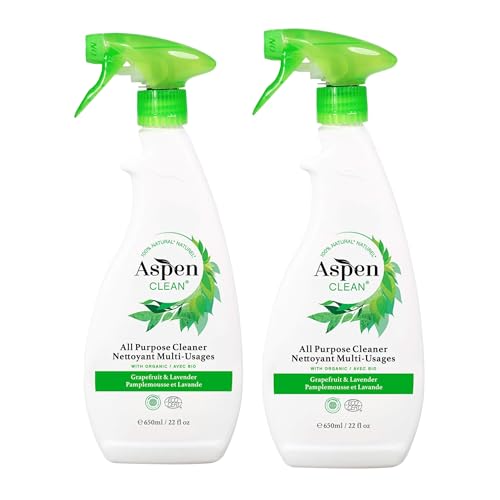 100AspenClean Natural All Purpose Cleaner
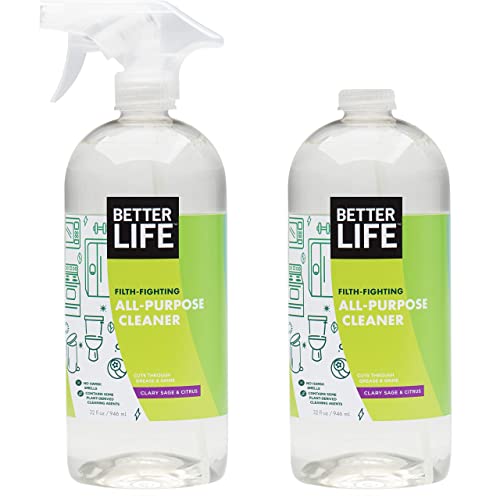 100Better Life All Purpose Cleaner
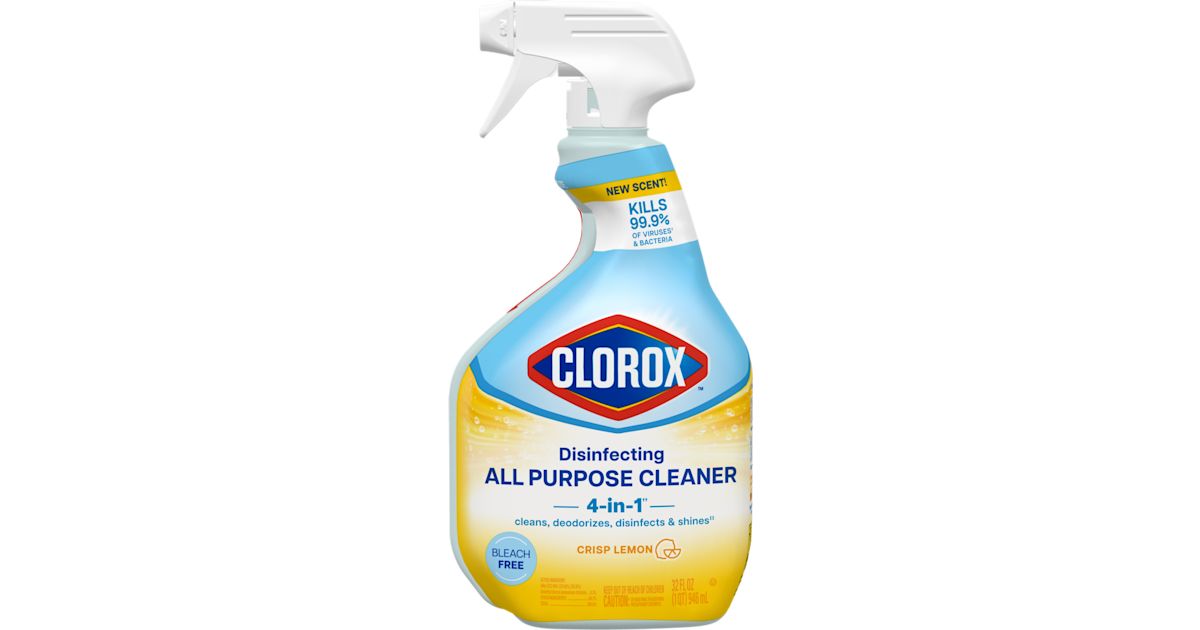 75Clorox Disinfecting All Purpose Cleaner Spray
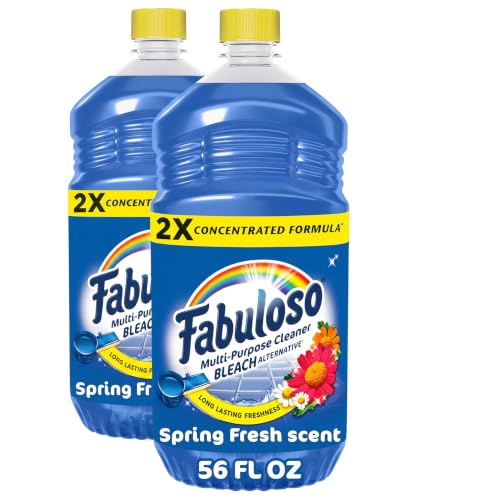 75Fabuloso 2X Multi-Purpose Cleaner, Tropical Spring Scent
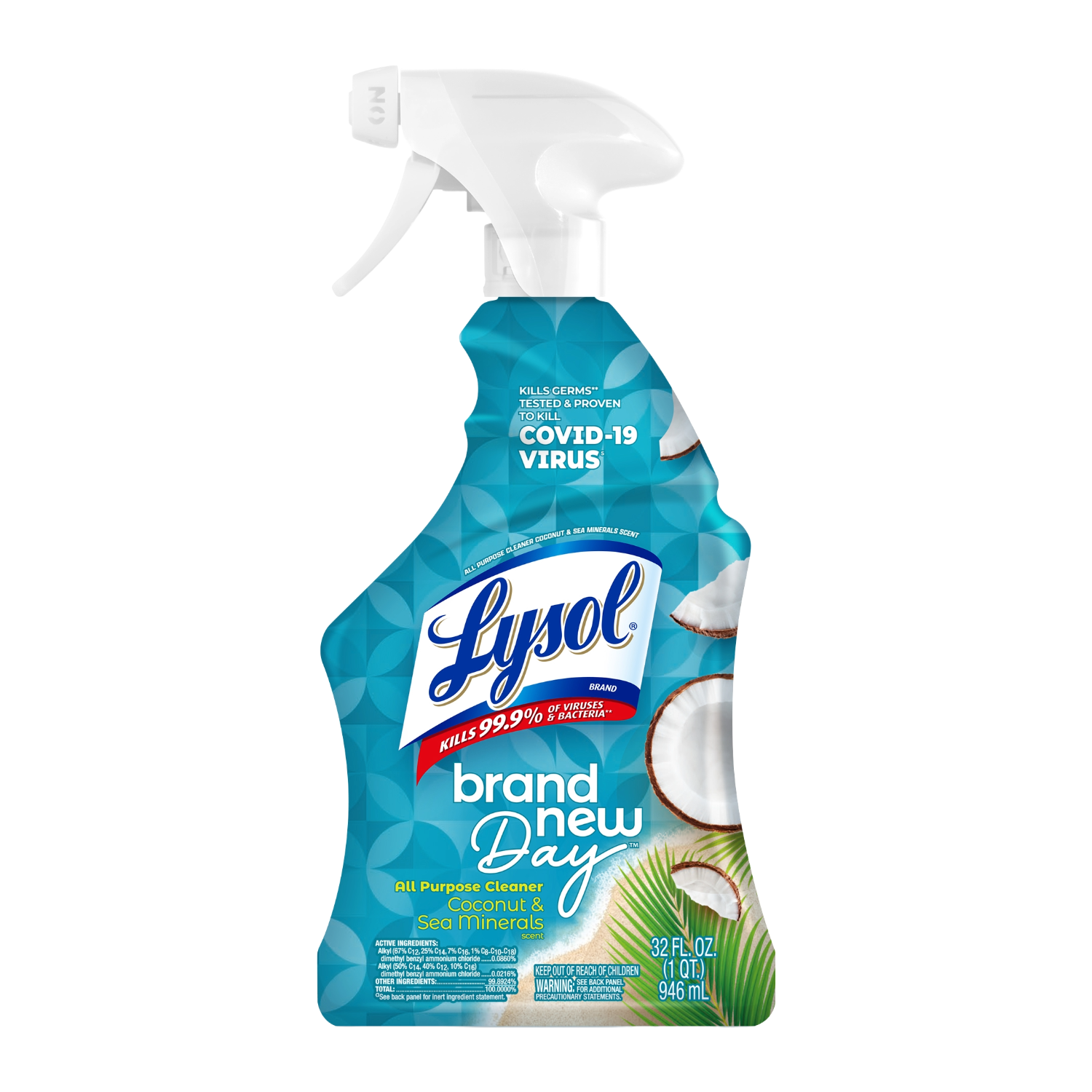 75Lysol All Purpose Cleaner Brand New Day Coconut & Sea Minerals
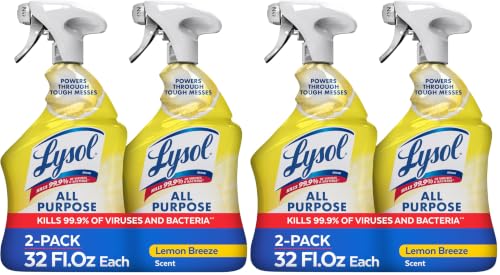 75Lysol All Purpose Cleaner Spray Lemon Breeze
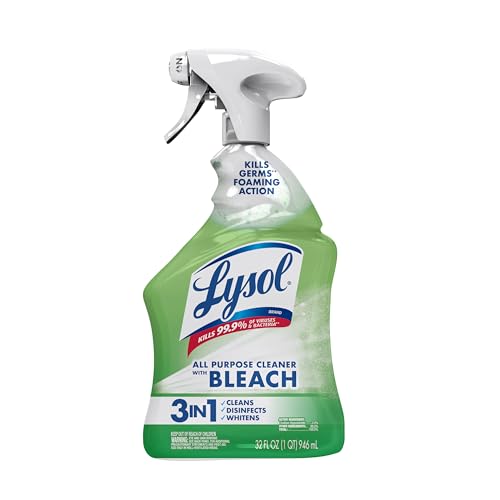 75Lysol Multi-Purpose Cleaner BleachCompare vs Force of Nature →All all-purpose cleaner →
How we score, every product runs through the same public 0-100 rubric based on materials, coatings, brand disclosure, lab findings, and recalls. See the full methodology → Spotted a mistake? Report an error.