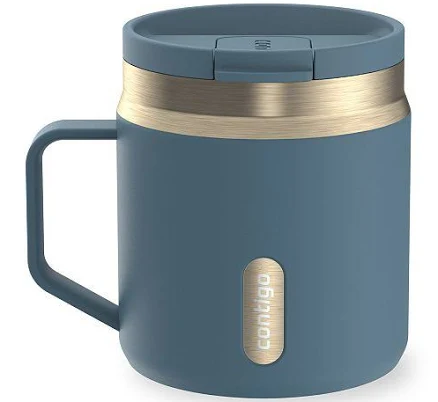
Contigo · Insulated Drink Tumblers
Contigo SnapSeal Leakproof Stainless Steel Mug
Low risk. Bare stainless steel tumbler unlikely to contain added PFAS.
This mug is bare stainless steel with a mechanical seal lid and no documented Teflon-family coating coatings or water-resistant treatments. Risk is lower than coated or nonstick alternatives.
We flunk more products than we pass. This one earned its grade. How we grade
Material
Stainless steel mug, no documented PFAS-containing coating
Lab data
No public lab test
What Contigo SnapSeal Leakproof Stainless is made of, ingredients and materials
The Contigo SnapSeal uses 18/8 food-grade stainless steel as its primary contact surface, which is chemically inert and does not leach metals under normal use. The SnapSeal lid contains polypropylene (PP) and thermoplastic rubber components that seal the mug; polypropylene is among the more chemically stable food-contact plastics and does not contain BPA by modern design. The insulation layer (if double-walled) is typically stainless steel or closed-cell foam that does not contact beverages. Stainless steel's primary safety advantage is its resistance to corrosion and its non-reactive surface across normal pH ranges.
What’s concerning
No PFAS disclosure
No public statement from the brand about PFAS in this product.
Category baseline
The starting point for this type of product, before anything specific to this product is counted.
Plastic seal and gasket degradation
The thermoplastic rubber SnapSeal lid components may degrade with repeated hot-water washing or prolonged exposure to acidic/high-fat beverages, potentially affecting seal integrity rather than chemical safety. Degradation is typically mechanical (loosening, cracking) rather than leaching.
Bacterial or mold growth in seal cavity
The SnapSeal design incorporates a rubber gasket that can trap moisture and food particles if not regularly cleaned; improper maintenance may allow microbial growth rather than chemical contamination. Daily rinsing and occasional disassembly of the seal prevent this.
What’s reassuring
Bare uncoated material
Recorded as a bare, uncoated material with no surface coating or treatment.
Stainless steel alloy trace metals (nickel, chromium)
18/8 food-grade stainless steel contains small amounts of nickel and chromium; these are tightly bound in the alloy matrix and do not migrate into beverages under normal use. Documented leaching from stainless steel drinkware is extraordinarily rare.
Polypropylene lid thermal stability
The polypropylene components are rated for typical beverage temperatures (up to 80°C / 176°F for contact use). Boiling liquids should cool slightly before sealing to prevent warping, but no chemical leaching has been documented at recommended use temperatures.
Lead
Food-grade 18/8 stainless steel is required to meet ASTM and FDA standards that exclude lead and cadmium. Contigo products are manufactured to US or certified overseas standards and no contamination has been reported.
Source, ATSDR ↗The full breakdown
The brand's record and disclosure
Contigo does not publish detailed material safety disclosures or third-party certifications (such as NSF or FDA documentation) on their consumer-facing website, which is common for mid-market drinkware brands. No major recalls related to chemical leaching, coating failure, or contamination have been recorded for Contigo stainless steel tumblers in FDA or CPSC databases. The company operates under standard US manufacturing and labeling compliance but does not voluntarily highlight toxicological testing or PFAS avoidance, leaving assessment dependent on material type rather than brand transparency.
How it compares in its category
Bare stainless steel tumblers are generally lower concern drinkware options because they eliminate risks associated with ceramic glazes (lead/cadmium), non-stick coatings (Teflon-type coating), and enamel degradation. Contigo's SnapSeal lid is more chemically complex than a simple screw cap, introducing small amounts of plastic; comparable brands (Hydro Flask, S'well) use similar polypropylene or silicone seals with equivalent inertness. The trade-off is convenience (leak-proof design) versus absolute minimalism; the plastic components are low-risk for the feature set.
If you buy it
Hand-wash the lid and seal components; dishwasher cycles can degrade the rubber gasket over time and reduce sealing integrity. Do not use for prolonged storage of acidic beverages (citrus, vinegar) in the same vessel for weeks, as even stainless steel can pit under extreme conditions, though this is rare with food-grade alloys. Replace the seal/gasket if it becomes visibly worn, discolored, or no longer creates an audible snap. Avoid sudden temperature extremes (boiling liquid immediately followed by ice water) to prevent the seal from loosening prematurely.
What we don’t know
- Basis
- Model estimate, 82% confidence, not a lab result
- Lab test
- None on record for this exact product
- Brand statement
- Contigo has made a specific claim
Formulations change between production runs, so check the current label. How we grade.
Better-graded alternatives in Insulated Drink Tumblers
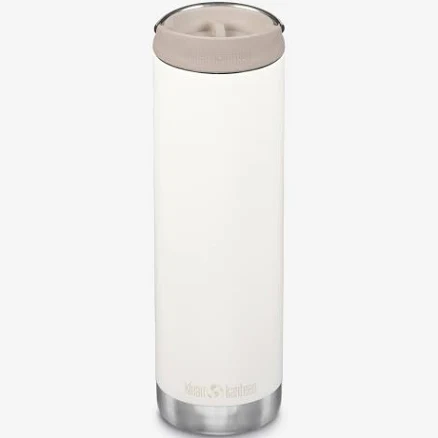
Klean Kanteen
20oz TKWide with Café Cap, Tofu
- Stainless steel bottle, stainless steel cap
- The brand calls it PFAS-free, which we have not verified
- Powder-coat cap degradation over time
3 hazards checked on this product. See all of them.
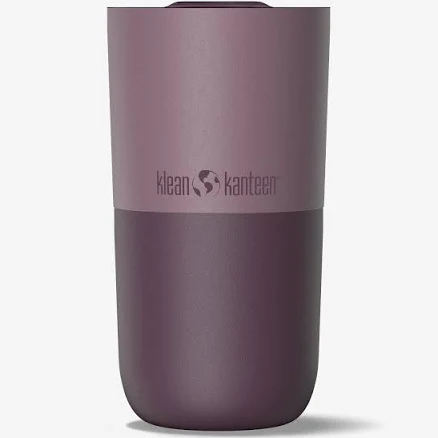
Klean Kanteen
16oz Rise Tumbler
- Stainless steel body, powder-coat finish
- The brand calls it PFAS-free, which we have not verified
- Powder-coat finish degradation
3 hazards checked on this product. See all of them.
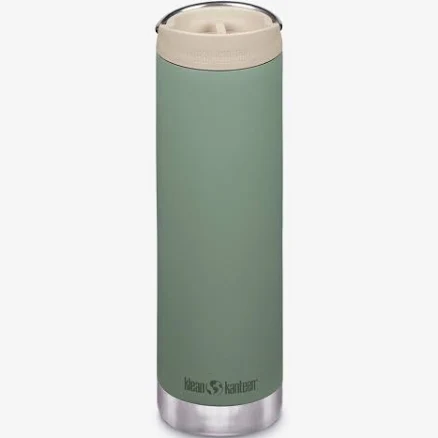
Klean Kanteen
Insulated TKWide Cap
- Stainless steel bottle, plastic cap and silicone gasket
- The brand calls it PFAS-free, which we have not verified
- Silicone gasket degradation and leaching
3 hazards checked on this product. See all of them.
More insulated drink tumblers grades
How we score, every product runs through the same public 0-100 rubric based on materials, coatings, brand disclosure, lab findings, and recalls. See the full methodology → Spotted a mistake? Report an error.