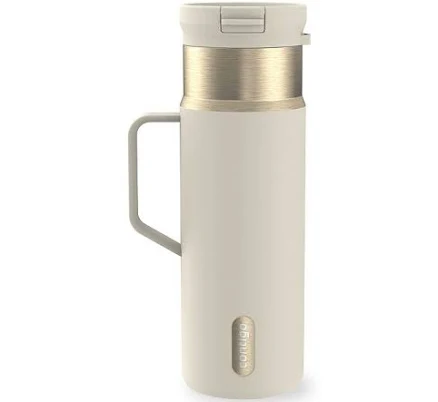
Contigo · Insulated Drink Tumblers
Contigo SnapSeal Leakproof Stainless Steel Water Bottle
Low risk. Stainless steel and basic plastics carry minimal risk.
Contigo's bottle uses stainless steel and polypropylene without reported water-repellent coatings. No PFAS claims exist, but the core materials pose minimal risk compared to treated alternatives.
We flunk more products than we pass. This one earned its grade. How we grade
Material
Stainless steel body, polypropylene lid/seal
Lab data
No public lab test
What Contigo SnapSeal Leakproof Stainless is made of, ingredients and materials
The Contigo SnapSeal uses a stainless steel (likely 18/8 or 304-grade) body, which is chemically inert and does not leach metals into water under normal use. The lid and seal are polypropylene (PP, plastic #5), a food-contact plastic with relatively low migration of additives compared to polycarbonate or lower-grade polymers. Stainless steel's passive oxide layer prevents corrosion and metal release, making it a material not linked to metal contamination in long-term water storage.
What’s concerning
Category baseline
The starting point for this type of product, before anything specific to this product is counted.
No PFAS disclosure
No public statement from the brand about PFAS in this product.
Polypropylene (PP) additive migration
PP lids may contain stabilizers, colorants, or processing aids that migrate in trace amounts, especially if the bottle is heated or filled with hot liquid. No specific testing of Contigo SnapSeal lids has been published, but migration is generally low for food-grade PP at room temperature.
Bacterial or mold growth in seals
The SnapSeal design includes a rubber or plastic gasket that can trap moisture if not cleaned thoroughly after each fill. This is a hygiene issue rather than chemical hazard, but mold or biofilm growth is a known risk in reusable water bottles if maintenance is poor.
What’s reassuring
Bare uncoated material
Recorded as a bare, uncoated material with no surface coating or treatment.
Stainless steel nickel content
304-grade stainless steel contains nickel (typically 8-10%), but nickel leaching into neutral pH water is negligible under normal use. Individuals with severe nickel allergy may react to contact with the bottle body, not liquid inside it; no nickel leaching incidents for this product are on record.
Coating degradation (stainless steel interior finish)
Stainless steel does not require a protective coating and does not degrade over normal use. If the bottle has an interior powder coating or enamel (uncommon for this model), chips could expose the underlying metal; no evidence of coating on SnapSeal models exists.
Off-gassing or volatile organic compounds (VOCs) from plastic components
Polypropylene has a low tendency to off-gas compared to polycarbonate or PVC. New bottles may have a faint plastic smell that dissipates within days; this is not indicative of a safety hazard at use temperatures.
The full breakdown
The brand's record and disclosure
Contigo has not published detailed chemical composition or safety certifications (such as BPA-free declarations or third-party testing) on this product, which is typical for mainstream water bottle brands but limits transparency. No major recalls or chemical safety incidents involving the SnapSeal line have been documented in public databases. The brand's silence on PFAS and other additives is common industry practice but does not indicate a problem; it reflects lack of testing disclosure rather than confirmed hazard.
How it compares in its category
Stainless steel water bottles show lower concern for leaching compared to plastic bottles (BPA/BPS leaching risk) and some coated aluminum options (coating breakdown over time). The polypropylene lid is standard across mid-range water bottles and carries lower chemical risk than silicone seals or metal caps with rubber gaskets. This product shows lower concern relative to other reusable bottles; premium alternatives (glass-lined, double-wall stainless without plastic components) exist but cost significantly more.
If you buy it
Hand-wash the lid and seal regularly to prevent bacterial or mold growth in crevices; avoid dishwasher if manufacturer advises against it. Do not fill with boiling water repeatedly, as thermal stress can degrade the polypropylene seal over time; stainless steel itself tolerates heat well. Replace the lid gasket every 1-2 years if it cracks, yellows, or loses elasticity. Use only water or cold beverages; acidic drinks (lemon juice, vinegar) do not damage stainless steel but prolonged contact with very high-salt brines is theoretically corrosive over months.
What we don’t know
- Basis
- Model estimate, 78% confidence, not a lab result
- Lab test
- None on record for this exact product
- Brand statement
- Contigo has made a specific claim
Formulations change between production runs, so check the current label. How we grade.
Better-graded alternatives in Insulated Drink Tumblers
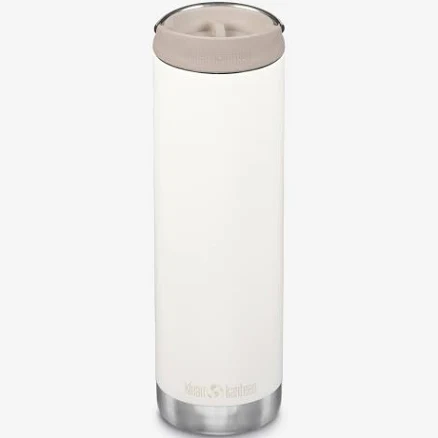
Klean Kanteen
20oz TKWide with Café Cap, Tofu
- Stainless steel bottle, stainless steel cap
- The brand calls it PFAS-free, which we have not verified
- Powder-coat cap degradation over time
3 hazards checked on this product. See all of them.
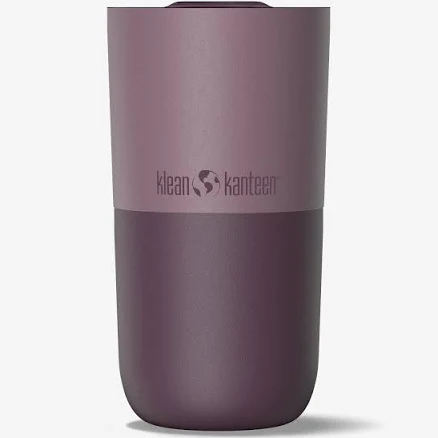
Klean Kanteen
16oz Rise Tumbler
- Stainless steel body, powder-coat finish
- The brand calls it PFAS-free, which we have not verified
- Powder-coat finish degradation
3 hazards checked on this product. See all of them.
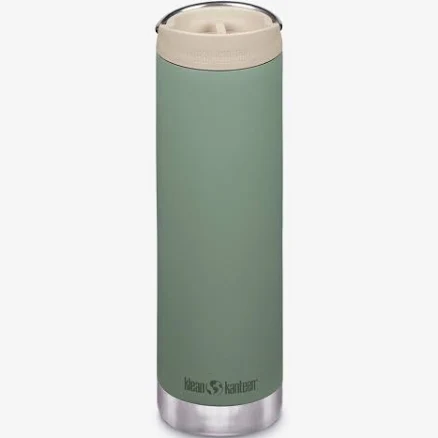
Klean Kanteen
Insulated TKWide Cap
- Stainless steel bottle, plastic cap and silicone gasket
- The brand calls it PFAS-free, which we have not verified
- Silicone gasket degradation and leaching
3 hazards checked on this product. See all of them.
More insulated drink tumblers grades
How we score, every product runs through the same public 0-100 rubric based on materials, coatings, brand disclosure, lab findings, and recalls. See the full methodology → Spotted a mistake? Report an error.