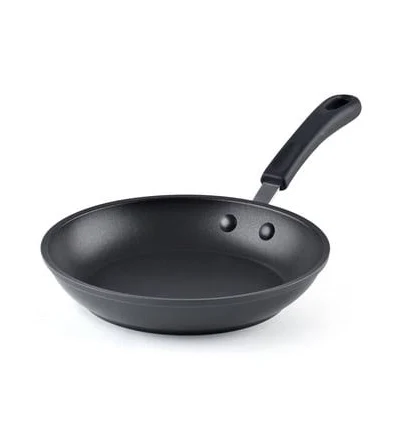
Cook N Home 8-inch Professional Hard Anodized Nonstick Saute Fry Pan
Nonstick coating chemistry not stated, limiting PFAS assessment.
Cook N Home markets this hard anodized aluminum pan with a nonstick coating but does not disclose the coating's chemistry. The brand has no PFAS statement on record. Hard anodized aluminum itself is not a material linked to PFAS, but the undisclosed nonstick finish prevents full evaluation.
The better-graded swap
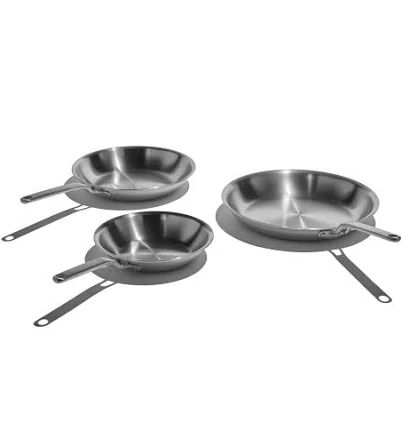
Heritage Steel
Eater x Heritage Steel 3 Piece Fry Pan Set
100/100 safety
Same rubric that flunked this product. The swap earned Excellent.
Still want this one anyway? Check the price on Amazon. We’d swap it.
Material
Hard anodized aluminum with nonstick coating (type unspecified)
Brand disclosure
Brand is silent on PFAS
Lab data
No public lab test
Is Cook N Home 8-inch Professional Hard non-toxic? What it is made of
This pan uses hard anodized aluminum, an electrochemical process that thickens the aluminum oxide layer on the surface, making it harder and more scratch-resistant than standard aluminum cookware. The nonstick coating type is not specified by Cook N Home, which is a significant gap, it could be Teflon-type coating-based (traditional Teflon), ceramic, or a proprietary blend. Hard anodization itself does not prevent aluminum leaching into acidic or salty foods, though the sealed oxide layer reduces this risk compared to bare aluminum. Without knowing the nonstick formulation, the PFAS content and heat stability cannot be independently assessed.
What’s concerning
Category baseline
The starting point for this type of product, before anything specific to this product is counted.
No PFAS disclosure
No public statement from the brand about PFAS in this product.
Non-stick, chemistry undisclosed
Marketed as non-stick without stating the coating chemistry.
Teflon-type coating fume risk (nonstick coating breakdown)
If the nonstick coating is Teflon-type coating-based and exposed to temperatures above manufacturer limits, polymer fume fever (flu-like symptoms) is a known acute risk; chronic Teflon-type coating off-gassing has not been conclusively ruled out. Cook N Home does not disclose maximum safe temperature or coating composition, so risk cannot be quantified.
Aluminum leaching
Hard anodization reduces but does not eliminate aluminum migration into acidic foods (tomatoes, wine, citrus). While dietary aluminum is generally recognized as safe at typical exposure levels, individuals with kidney disease or aluminum sensitivity should limit contact time with acidic ingredients.
Nonstick coating degradation and microparticles
Wear and tear on hard anodized nonstick pans is documented to produce microscopic coating particles over time, especially with metal utensils or high heat. These particles are typically inert (aluminum oxide or coating polymer) but inhalation or ingestion risk increases if the pan is used past visible damage.
PFAS
The nonstick coating type is not disclosed; traditional Teflon-type coating contains PFOA/PFAS, newer formulations may use PFBS or other PFAS alternatives, or ceramic is used. Without brand certification or third-party testing, PFAS content cannot be ruled out. Graded separately per protocol but represents the highest information gap for this product.
Source, ATSDR ↗What’s reassuring
Lead
Hard anodization does not involve ceramic glazes or enamel firing, the primary pathways for lead/cadmium contamination in cookware. No recalls or test data suggest heavy metal presence in Cook N Home hard anodized cookware.
Source, ATSDR ↗The full breakdown
The brand's record and disclosure
Cook N Home is a direct-to-consumer cookware brand with minimal public transparency on material composition or toxicological testing. The company does not appear to have published PFAS certifications, safety testing reports, or responses to PFAS concerns in available product documentation. No major recalls or safety controversies are recorded for this specific model in FDA or CPSC databases. The silence on nonstick coating chemistry is typical for budget cookware brands but prevents informed assessment of PFAS exposure risk.
How it compares in its category
Hard anodized aluminum cookware is mid-tier in safety and durability, more durable than non-stick Teflon pans but less transparent than brands like GreenPan or Our Place that explicitly disclose PFAS-free coatings or use ceramic alternatives. Cook N Home's lack of third-party certification or published safety data places it below brands with toxicology transparency but above unbranded Amazon-warehouse cookware with no verifiable sourcing. The 8-inch saute size is standard; the real differentiator is the unknown nonstick formulation.
If you buy it
Keep stovetop temperature below 500 degrees Fahrenheit to minimize nonstick coating breakdown and any potential fume release from undisclosed additives. Hand wash only; avoid dishwasher, high heat, and metal utensils, which accelerate coating wear and increase risk of aluminum or coating particles entering food. Inspect the nonstick surface regularly for flaking, discoloration, or bare spots; discontinue use and replace the pan if the coating is visibly compromised. Use on medium to medium-high heat for sauteing, not for high-heat searing or broiling.
What we don’t know
- Basis
- Model estimate, 45% confidence, not a lab result
- Lab test
- None on record for this exact product
- Brand statement
- Cook N Home has made none
Formulations change between production runs, so check the current label. How we grade.
Better-graded alternatives in Cookware
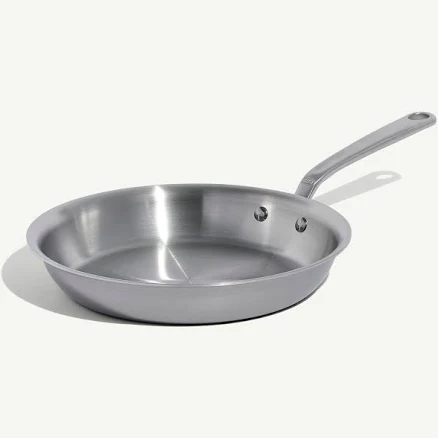
Made In
Stainless Clad Fry Pan
- Stainless steel clad construction, no nonstick coating
- The brand calls it PFAS-free, which we have not verified
- Clad separation or delamination over time
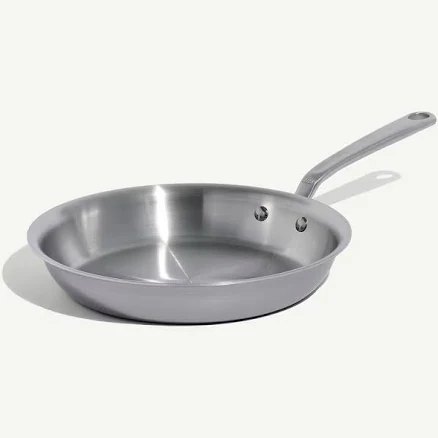
Made In
10' Stainless Clad Frying Pan
- stainless steel clad construction, no nonstick coating
- The brand calls it PFAS-free, which we have not verified
- Nickel leaching from stainless steel
3 hazards checked on this product. See all of them.
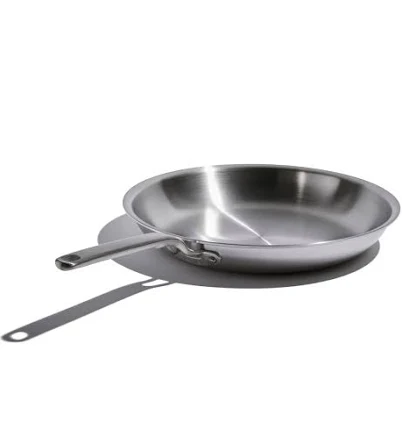
Heritage Steel
Eater Fry Pan
- Clad stainless steel, no coating
- The brand calls it PFAS-free, which we have not verified
- Metal ion release during cooking (iron, nickel, chromium)
More cookware grades
How we score, every product runs through the same public 0-100 rubric based on materials, coatings, brand disclosure, lab findings, and recalls. See the full methodology → Spotted a mistake? Report an error.