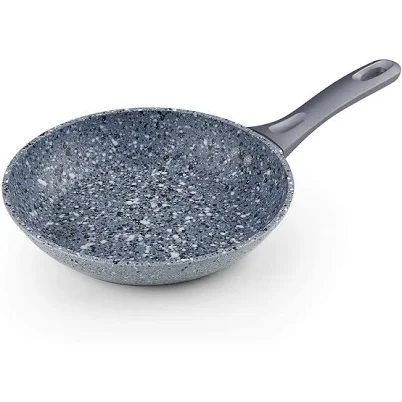
Cook N Home Aluminum Non-stick Frying Pan Omelette Pan
Avoid until the brand shares its coating formula.
Cook N Home does not explain what nonstick material coats this aluminum pan. Many nonstick cookware brands use Teflon-type coating or Teflon-family coating, but this one stays silent.
The better-graded swap
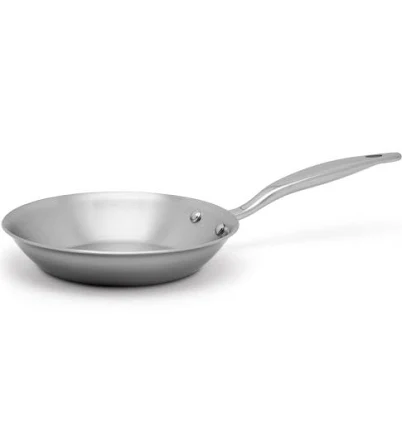
Heritage Steel
Heritage Steel Fry Pan 8.5"
100/100 safety
Same rubric that flunked this product. The swap earned Excellent.
Still want this one anyway? Check the price on Amazon. We’d swap it.
Material
Aluminum with unspecified non-stick coating
Brand disclosure
Brand is silent on PFAS
Lab data
No public lab test
Is Cook N Home Aluminum Non-stick Frying Pan non-toxic? What it is made of
This pan is aluminum with an unspecified non-stick coating. Aluminum cookware can leach small amounts of aluminum into acidic foods (tomatoes, citrus), though the amount is generally considered low-risk by FDA standards. The non-stick coating is the primary concern, if it is Teflon-type coating (Teflon) based, overheating above 500°F releases toxic fumes; if it is ceramic or other polymer, durability and leaching risks differ. Cook N Home has not publicly disclosed the coating chemistry, making it impossible to assess Teflon-type coating exposure risk or long-term coating stability.
What’s concerning
Category baseline
The starting point for this type of product, before anything specific to this product is counted.
No PFAS disclosure
No public statement from the brand about PFAS in this product.
Non-stick, chemistry undisclosed
Marketed as non-stick without stating the coating chemistry.
Teflon-type coating fume release (thermal decomposition)
If the unspecified coating contains Teflon-type coating, heating above 500°F triggers decomposition into toxic gases including perfluorooctanoic acid precursors. Cook N Home's silence on coating identity means users cannot confirm whether this risk applies. Adherence to low-to-medium heat only partially mitigates.
Coating degradation and flaking
Budget non-stick aluminum pans typically show visible wear within 1-2 years of regular use. Flaking coating particles may be ingested; once degradation begins, microplastics and degraded polymer fragments enter food. No data on this specific model's longevity exists publicly.
Aluminum leaching (acidic foods)
Uncoated aluminum dissolves in acidic conditions; though the non-stick coating provides a barrier, scratches or damage accelerate leaching. FDA considers aluminum leaching from cookware low-risk, but chronic exposure remains unstudied in vulnerable populations.
Unspecified coating chemistry (unknown hazards)
The absence of disclosure on whether the coating is Teflon-type coating, ceramic, silicone, or proprietary polymer creates uncertainty about long-term leaching, heat stability, and degradation byproducts. This is the defining weakness of this product line.
What’s reassuring
Lead
No recalls or test data for this model indicate heavy metal contamination in the coating or handles. Budget cookware imports occasionally show lead in decorative elements, but none documented for Cook N Home aluminum pans to date.
Source, ATSDR ↗The full breakdown
The brand's record and disclosure
Cook N Home is a budget cookware manufacturer with minimal public safety documentation. The company does not appear to have issued statements on PFAS content, Teflon-type coating presence, or testing certifications for this model. No major recalls specific to this pan line have been found in FDA records, but the absence of transparency on coating materials is a red flag for informed purchasing. The brand does not advertise compliance with PFOA-free or PFAS-free standards.
How it compares in its category
Budget non-stick aluminum pans like this one occupy a middle ground between cast iron (no coating hazards but requires seasoning) and premium non-stick brands that explicitly disclose PFAS-free or ceramic coatings. Many competitors in this price range also use unspecified coatings, making disclosure the differentiator. Stainless steel alternatives eliminate non-stick coating risks but sacrifice ease of use; ceramic-coated competitors offer similar ease with lower chemical risk, though they degrade faster.
If you buy it
Never exceed 400°F to avoid releasing any Teflon-type coating fumes if present; use low to medium heat. Hand wash only to prevent coating abrasion; avoid metal utensils and scouring pads. Inspect the coating monthly for scratches, flaking, or discoloration; discard if damage occurs and coating begins to peel. Replace every 3-5 years as non-stick coatings degrade and lose effectiveness regardless of brand. Avoid storing acidic foods (vinegar, citrus, tomatoes) in the pan for extended periods to minimize aluminum leaching.
What we don’t know
- Basis
- Model estimate, 35% confidence, not a lab result
- Lab test
- None on record for this exact product
- Brand statement
- Cook N Home has made none
Formulations change between production runs, so check the current label. How we grade.
Better-graded alternatives in Cookware
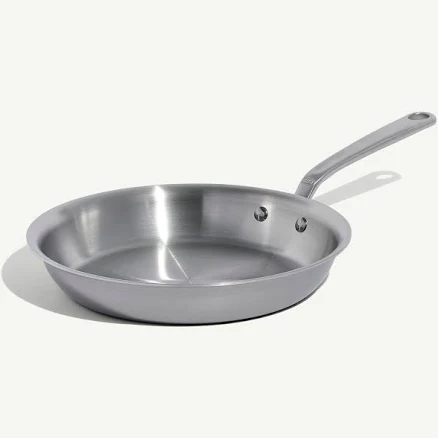
Made In
Stainless Clad Fry Pan
- Stainless steel clad construction, no nonstick coating
- The brand calls it PFAS-free, which we have not verified
- Clad separation or delamination over time
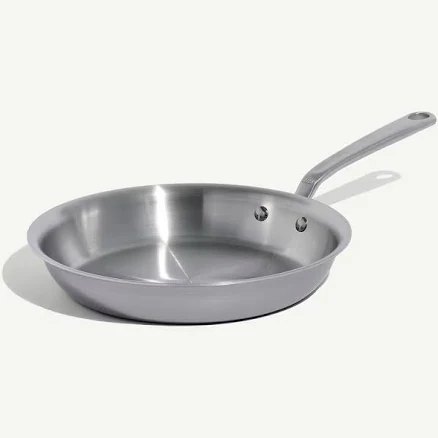
Made In
10' Stainless Clad Frying Pan
- stainless steel clad construction, no nonstick coating
- The brand calls it PFAS-free, which we have not verified
- Nickel leaching from stainless steel
3 hazards checked on this product. See all of them.
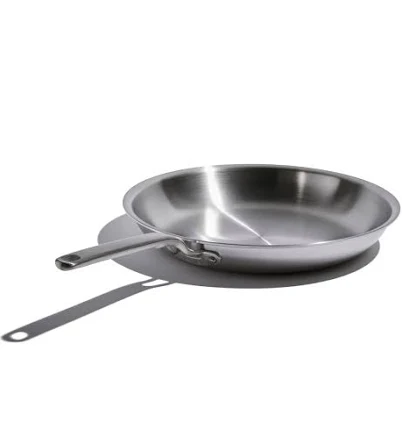
Heritage Steel
Eater Fry Pan
- Clad stainless steel, no coating
- The brand calls it PFAS-free, which we have not verified
- Metal ion release during cooking (iron, nickel, chromium)
More cookware grades
How we score, every product runs through the same public 0-100 rubric based on materials, coatings, brand disclosure, lab findings, and recalls. See the full methodology → Spotted a mistake? Report an error.