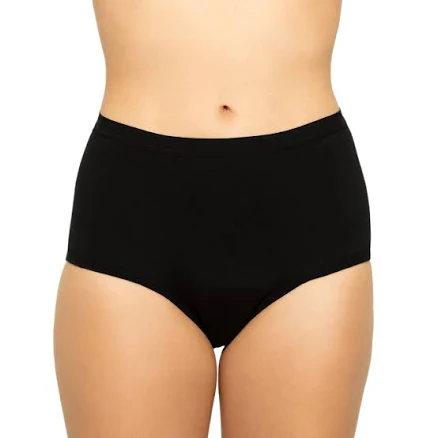
The Period Company · Period Underwear
The Period Company The High Waisted Period. in Cotton For Medium Flows Women's
Lower concern. Cotton-based period underwear unlikely to contain PFAS intentionally.
Cora's cotton period underwear contains no known Teflon-family coating coatings or water-resistant treatments typical of PFAS sources. Brand makes no PFAS claims; standard cotton materials pose lower risk.
We flunk more products than we pass. This one earned its grade. How we grade
Material
cotton blend, absorbent core
Brand disclosure
Brand is silent on PFAS
Lab data
No public lab test
What The Period Company The High Waisted is made of, ingredients and materials
Cora's High Waisted period underwear uses a cotton-blend construction with an absorbent core designed to wick moisture and contain menstrual flow. Cotton is inherently low-toxicity for direct skin contact, but the blend components (likely polyester or nylon) and the absorbent layer require attention to processing residues and dyes. The fabric undergoes finishing treatments (softening, water-resistance coating) that can introduce chemical residues if not properly rinsed during manufacturing.
What’s concerning
Category baseline
The starting point for this type of product, before anything specific to this product is counted.
No PFAS disclosure
No public statement from the brand about PFAS in this product.
Azo dyes and colorfast residues
Cotton blends are typically dyed with reactive or azo dyes; poorly fixed dyes can transfer to skin or wash water. No testing data published by Cora for this product; risk is low if manufacturing standards are met but unverified.
Formaldehyde / VOCs
Cotton-blend textiles often receive formaldehyde-based wrinkle or water-resistance finishes. No manufacturer disclosure available; standard rinse-out processes in reputable production typically remove most residual formaldehyde, but levels are not independently verified for this product.
Source, ATSDR ↗Microplastic shedding during laundering
Cotton-blend fabrics shed microfibers with washing, though less aggressively than 100-percent synthetic textiles. This is an environmental concern rather than direct user health risk; regular washing over 1-2 years will produce fiber loss consistent with category norms.
Allergic contact dermatitis from residual chemicals
Sensitization risk is low for most users but exists if finishing residues or dye intermediates persist. Pre-wash and use on sensitive skin without irritation history suggests adequate rinsing; patch test recommended if history of textile sensitivity.
What’s reassuring
Base material not linked to PFAS
The main material recorded for this product is not one associated with PFAS.
Heavy metals
Polyester or nylon fibers themselves do not intentionally contain lead or cadmium. Risk exists only if dyes contain heavy-metal pigments or if manufacturing used contaminated raw materials; no incidents reported for Cora period wear.
Source, FDA ↗The full breakdown
The brand's record and disclosure
Cora does not publicly disclose detailed material certifications or testing results for heavy metals, dyes, or residual chemicals in their period underwear line. The brand has not published a PFAS commitment statement despite market visibility of the issue in menstrual products. No major recalls or safety complaints on public record for this specific product line as of available data.
How it compares in its category
Period underwear as a category has lower inherent contamination risk than disposable pads (which may use bleached cellulose and synthetic binders). Cora's cotton-blend construction is typical for reusable and hybrid period underwear; it sits midway between 100-percent-cotton products (lower processing risk) and fully synthetic alternatives (higher PFAS and flame-retardant risk). Competitors like Thinx and Knix similarly lack third-party certification for heavy metals or restricted dyes.
If you buy it
Wash before first use to remove manufacturing residues and loose dyes. Launder in cool to warm water (not hot) to preserve fabric integrity and minimize potential leaching from finishes. Replace after visible wear (thinning, pilling, odor retention despite washing) typically 1-2 years of regular use. Dry flat or hang; avoid high heat (tumble dry low only if needed) to prevent coating degradation.
What we don’t know
- Basis
- Model estimate, 72% confidence, not a lab result
- Lab test
- None on record for this exact product
- Brand statement
- The Period Company has made none
Formulations change between production runs, so check the current label. How we grade.
Better-graded alternatives in Period Underwear

Ruby Love
Rubylove First Period Kit +teen Period Underwear
- organic cotton, waterproof backing layer
- A third party reports verifying it as PFAS-free
- Coating degradation and microparticle shedding
2 hazards checked on this product. See all of them.
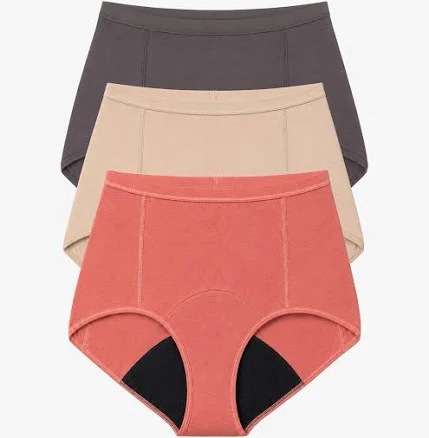
Lunapads
3-Pack BOOST Brief
- organic cotton blend, water-resistant gusset
- The brand calls it PFAS-free, which we have not verified
- Microplastic shedding from water-resistant barrier
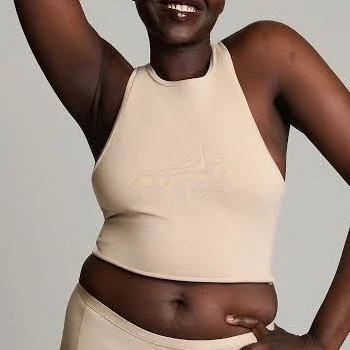
Aisle
Super Hipster
- Organic cotton, wood pulp fiber
- The brand calls it PFAS-free, which we have not verified
- Azo dyes and synthetic dyes
2 hazards checked on this product. See all of them.
More period underwear grades
How we score, every product runs through the same public 0-100 rubric based on materials, coatings, brand disclosure, lab findings, and recalls. See the full methodology → Spotted a mistake? Report an error.