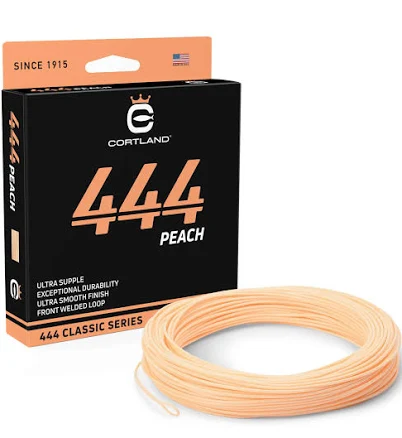
Cortland 444 Peach Fly Line
Skip until Cortland discloses coating chemistry or provides third-party testing.
This PVC-based fly line uses a waterproof coating of undisclosed composition. Cortland provides no transparency on whether PFAS-based water-repellent coating treatments were used.
The better-graded swap
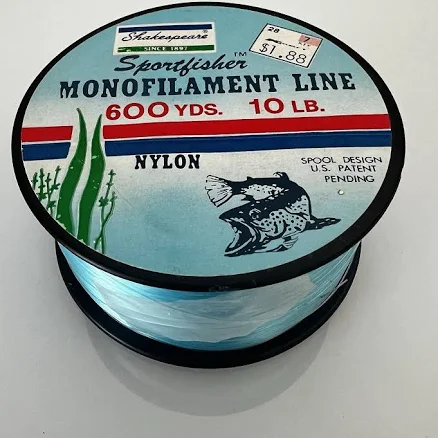
Shakespeare
Vintage Shakespeare Sportfisher Monofilament Fishing Line 300 Yds 10
85/100 safety
Same rubric that flunked this product. The swap earned Excellent.
Still want this one anyway? Check the price on Amazon. We’d swap it.
Material
PVC-based fly line with proprietary coating
Brand disclosure
Brand is silent on PFAS
Lab data
No public lab test
You may also be interested in
Top-graded picks in the categories readers replace first, every one scored on the same rubric.

- polypropylene filter housing, carbon/sediment cartridge
- We found no PFAS statement from the brand
- Bacterial growth in spent cartridges
3 hazards checked on this product, all on its full breakdown.

Aquasure
Premier Series 75 GPD Under Sink Reverse Osmosis Water Filtration System
- RO membrane, carbon filters, stainless steel housing
- We found no PFAS statement from the brand
- Bacterial and microbial growth in housing and filters
4 hazards checked on this product, all on its full breakdown.

Avocado
Vegan Mattress
- organic cotton, natural latex, coconut coir, recycled steel coils
- The brand calls it PFAS-free, which we have not verified
- Heavy metals
2 hazards checked on this product, all on its full breakdown.
What Cortland 444 Peach Fly Line is made of, ingredients and materials
Cortland 444 Peach is a PVC-based fly line with a proprietary surface coating designed to improve casting distance, water repellency, and durability. PVC itself is stable during normal fishing use, but the undisclosed coating formulation is the primary concern; fly line coatings historically contain plasticizers and surfactants to achieve their performance characteristics. The peach color suggests use of azo or other synthetic dyes, which are standard in the industry but require quality control to avoid heavy metal contamination. Thermal exposure (sun storage, heated vehicles) and UV degradation can compromise both the PVC core and coating over time, potentially releasing small particles into aquatic environments.
What’s concerning
Category baseline
The starting point for this type of product, before anything specific to this product is counted.
No PFAS disclosure
No public statement from the brand about PFAS in this product.
Waterproof / stain-resistant treatment
Water-repellent coating treatments have historically used PFAS.
Coating degradation and microplastic release
PVC fly line coatings degrade under UV and thermal stress, shedding microparticles into freshwater and saltwater ecosystems. Long-term aquatic impact is not fully quantified, but particles are ingested by fish and persist in sediment.
Undisclosed plasticizer or surfactant leaching
Proprietary fly line coatings typically contain phthalates, adipates, or other plasticizers to maintain flexibility. No testing data is publicly available for the 444 line; leaching into water during use is theoretically possible under warm conditions.
Thermal instability of PVC core
PVC can release hydrogen chloride and other volatile compounds under sustained heat above 60C (140F). Vehicle storage or direct sun exposure in hot climates may trigger release, though concentrations are likely very low for fishing line thickness.
Aquatic bioaccumulation of coating compounds
Fluorochemicals, plasticizers, and other coating additives can accumulate in aquatic organisms over time. The undisclosed chemistry of the 444 line's coating means specific bioaccumulation potential cannot be assessed.
What’s reassuring
Heavy metals
Cortland 444 Peach uses synthetic dyes common to the industry. No recalls or documented contamination with lead, cadmium, or chromium are on record; modern fly line manufacturers typically screen dyes, but independent verification is absent.
Source, FDA ↗How is this PFAS grade calculated?
The brand's record and disclosure
Cortland has not published detailed chemical composition or independent third-party testing results for the 444 line's coating, which is common across the fly line industry but limits transparency. The brand has maintained silence on PFAS content despite known industry use of fluorochemicals in water-repellent coatings for performance fly lines. No major recalls or safety controversies specific to Cortland fly lines are documented in public records, suggesting adequate manufacturing consistency. However, lack of disclosure should not be read as absence of concern; it reflects an industry-wide gap in consumer-facing safety communication.
How it compares in its category
Most conventional fly lines (including those from Rio, Scientific Anglers, and others) use similar PVC or polymer-based construction with opaque coating chemistry. Some brands now offer PFOA-free or Teflon-type coating-free alternatives, though independent verification is rare; Cortland has not publicly committed to fluorochemical reduction. Lines marketed as 'eco' or 'sustainable' often lack credible third-party certification and may still contain legacy PFAS compounds. The 444 Peach sits in the mid-range performance tier, with no documented safety advantage or disadvantage over direct competitors in terms of non-PFAS hazards.
If you buy it
Store the line indoors away from direct sunlight and extreme heat to slow degradation of the PVC and coating; UV exposure and heat accelerate polymer breakdown and microparticle shedding. Inspect the line annually for surface cracking, clouding, or loss of water repellency; these signs indicate coating failure and are a trigger for replacement to prevent material degradation in water. Rinse the line in fresh water after each use to remove salt, sediment, and algae, which accelerate coating wear. Consider replacing every 2-3 years of regular use or sooner if visible damage occurs; do not leave wet line coiled for extended periods, as this promotes mold and adhesion loss.
What is not known about PFAS in this product?
- Basis
- Model estimate, 35% confidence, not a lab result
- Lab test
- None on record for this exact product
- Brand statement
- Cortland has made none
Formulations change between production runs, so check the current label. How we grade.
What are the PFAS-free alternatives to Cortland 444 Peach Fly Line?
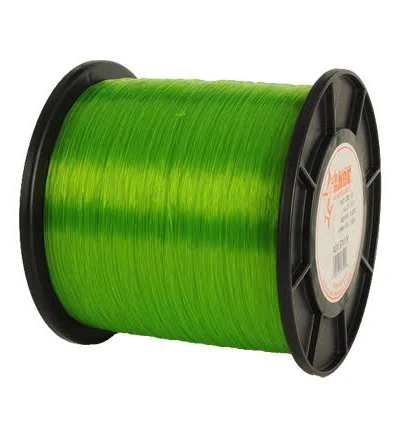
- Monofilament nylon fishing line
- We found no PFAS statement from the brand
- Microplastic shedding during use
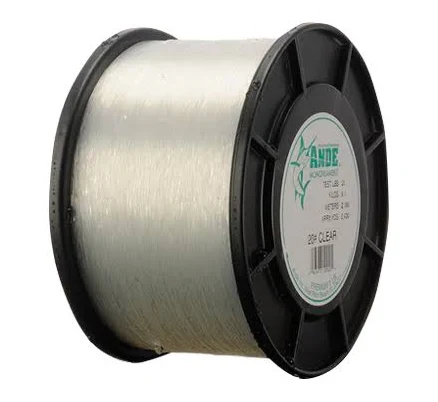
- Monofilament nylon fishing line
- We found no PFAS statement from the brand
- Microplastic fragmentation
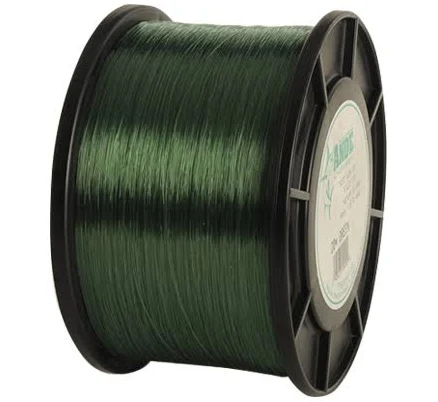
- Monofilament nylon fishing line
- We found no PFAS statement from the brand
- UV degradation and polymer brittleness
2 hazards checked on this product, all on its full breakdown.
More fishing line grades
How we score, every product runs through the same public 0-100 rubric based on materials, coatings, brand disclosure, lab findings, and recalls. See the full methodology → Spotted a mistake? Report an error.