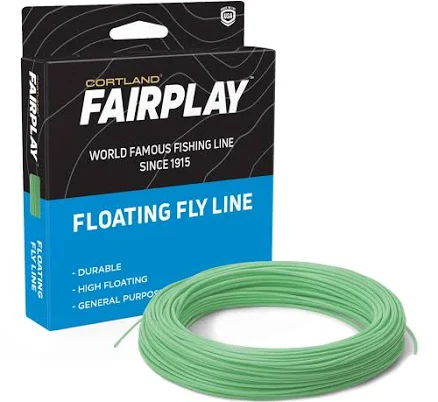
Cortland Fairplay Floating Fly Fishing Line
Skip until Cortland reveals coating chemistry; floaters typically need PFAS-based water-repellent.
Cortland's proprietary buoyancy coating lacks public disclosure of chemical composition or PFAS status. Floating fly lines historically use fluorochemical treatments, making elevated concern justified.
The better-graded swap
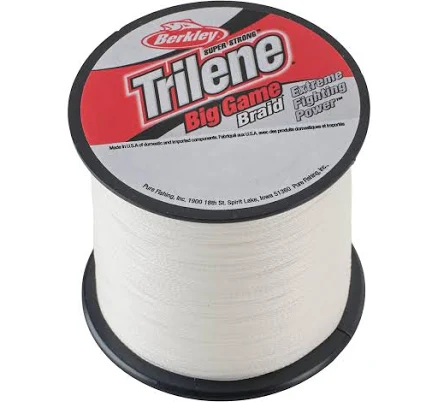
Berkley
Berkley Trilene Big Game Braid
85/100 safety
Same rubric that flunked this product. The swap earned Excellent.
Still want this one anyway? Check the price on Amazon. We’d swap it.
Material
Floating fly line with unspecified waterproof/buoyancy coating
Brand disclosure
Brand is silent on PFAS
Lab data
No public lab test
You may also be interested in
Top-graded picks in the categories readers replace first, every one scored on the same rubric.

- polypropylene filter housing, carbon/sediment cartridge
- We found no PFAS statement from the brand
- Bacterial growth in spent cartridges
3 hazards checked on this product, all on its full breakdown.

Aquasure
Premier Series 75 GPD Under Sink Reverse Osmosis Water Filtration System
- RO membrane, carbon filters, stainless steel housing
- We found no PFAS statement from the brand
- Bacterial and microbial growth in housing and filters
4 hazards checked on this product, all on its full breakdown.

Avocado
Vegan Mattress
- organic cotton, natural latex, coconut coir, recycled steel coils
- The brand calls it PFAS-free, which we have not verified
- Heavy metals
2 hazards checked on this product, all on its full breakdown.
What Cortland Fairplay Fly Fishing Line is made of, ingredients and materials
Cortland Fairplay is a floating fly line with a core (typically nylon or polyester) and an outer coating designed to repel water and provide buoyancy. The specific chemistry of the buoyancy and waterproofing coating is not publicly detailed by Cortland. Floating fly lines universally require water-repellent treatments; historically these have relied on PFAS (PFAS "forever chemicals"), though some manufacturers are transitioning to alternatives. Without disclosure, the coating composition and durability under UV and temperature cycling remain unknown.
What’s concerning
Category baseline
The starting point for this type of product, before anything specific to this product is counted.
No PFAS disclosure
No public statement from the brand about PFAS in this product.
Waterproof / stain-resistant treatment
Water-repellent coating treatments have historically used PFAS.
PFAS
The waterproof coating on floating fly lines may contain plasticizers, stabilizers, or other additives not publicly identified. Leaching into water or onto skin during handling is plausible but unmeasured for this specific product.
Source, ATSDR ↗Microplastic shedding from degraded coating
As the outer coating degrades from UV, temperature cycling, or age, fragments may separate. Direct ingestion risk is low for anglers, but environmental persistence is relevant if fibers enter waterways.
Skin and eye contact with coating during handling
Repeated handling of fly line, especially if the coating is tacky or flaking, may expose hands and face to undisclosed coating chemicals. No safety data sheet or handling warnings are publicly available for this product.
What’s reassuring
Thermal stability of coating during storage or use
Fly lines stored in hot vehicles or direct sun may exceed safe operating temperatures for their coating. Cortland provides no explicit temperature limits or guidance on how heat affects coating safety or integrity.
Nylon or polyester core degradation
The underlying line material (nylon or polyester, type unspecified) can degrade over time from UV, saltwater, or chlorine exposure. No published data on Fairplay core lifespan or breakdown products.
How is this PFAS grade calculated?
The brand's record and disclosure
Cortland does not publicly disclose the chemical formulation of coatings on its fly lines, including whether PFAS is used. The company has not published commitments to PFAS phase-out or alternative formulations. No major product recalls or safety controversies specific to Cortland fly lines are on record. The lack of transparency around a product category known for PFAS reliance represents a significant disclosure gap rather than confirmed misuse.
How it compares in its category
Floating fly lines from major manufacturers (Rio, Scientific Anglers, Airflo) similarly lack public coating disclosure, making Cortland typical in this respect. A small number of brands (notably Orvis and some indie makers) have begun marketing formulations they describe as PFAS-free or with lower PFAS concern. Cortland's Fairplay is mid-range in price and widely available; comparable products face the same transparency problem. The category as a whole is moving slowly toward water-repellent alternatives with lower PFAS concern.
If you buy it
Store the line away from direct sunlight and heat; UV and high temperatures can degrade coatings and potentially accelerate leaching of coating components. Clean and dry the line after each use to prevent mold and bacterial growth in the core. Replace the line every 2-3 years of regular use, or sooner if the coating becomes sticky, cracked, or loses buoyancy, as degraded coating may shed particles. Contact Cortland directly before purchase to request coating safety data; consumer demand for disclosure may prompt change.
What is not known about PFAS in this product?
- Basis
- Model estimate, 35% confidence, not a lab result
- Lab test
- None on record for this exact product
- Brand statement
- Cortland has made none
Formulations change between production runs, so check the current label. How we grade.
What are the PFAS-free alternatives to Cortland Fairplay Floating Fly Fishing Line?
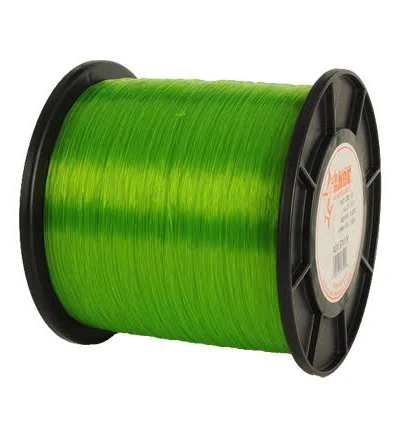
- Monofilament nylon fishing line
- We found no PFAS statement from the brand
- Microplastic shedding during use
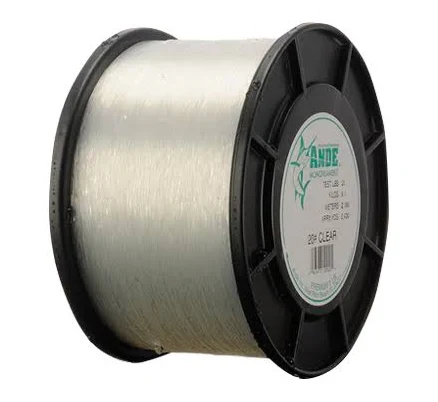
- Monofilament nylon fishing line
- We found no PFAS statement from the brand
- Microplastic fragmentation
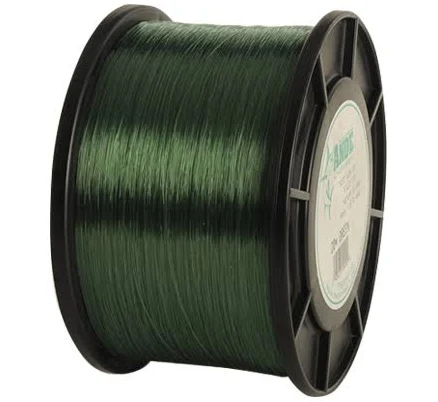
- Monofilament nylon fishing line
- We found no PFAS statement from the brand
- UV degradation and polymer brittleness
2 hazards checked on this product, all on its full breakdown.
More fishing line grades
How we score, every product runs through the same public 0-100 rubric based on materials, coatings, brand disclosure, lab findings, and recalls. See the full methodology → Spotted a mistake? Report an error.