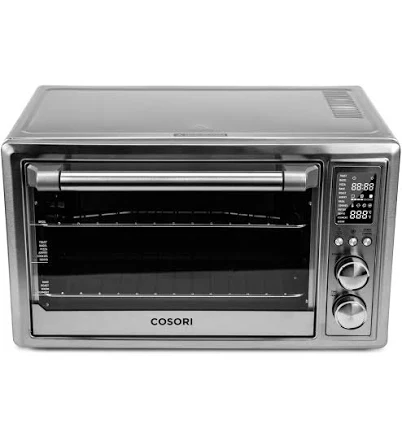
Cosori Smart Toaster Oven
Lower PFAS concern, toaster ovens rarely use nonstick coatings, though brand makes no transparency statement.
This toaster oven uses stainless steel and glass with no reported nonstick coatings, lowering typical PFAS risk. Cosori makes no public PFAS statement, but as a non-contact appliance without waterproofing claims, material risk is inherently lower.
We flunk more products than we pass. This one earned its grade. How we grade
Material
stainless steel exterior, glass and metal interior
Lab data
No public lab test
You may also be interested in
Top-graded picks in the categories readers replace first, every one scored on the same rubric.

- polypropylene filter housing, carbon/sediment cartridge
- We found no PFAS statement from the brand
- Bacterial growth in spent cartridges
3 hazards checked on this product, all on its full breakdown.

Aquasure
Premier Series 75 GPD Under Sink Reverse Osmosis Water Filtration System
- RO membrane, carbon filters, stainless steel housing
- We found no PFAS statement from the brand
- Bacterial and microbial growth in housing and filters
4 hazards checked on this product, all on its full breakdown.

Avocado
Vegan Mattress
- organic cotton, natural latex, coconut coir, recycled steel coils
- The brand calls it PFAS-free, which we have not verified
- Heavy metals
2 hazards checked on this product, all on its full breakdown.
What Cosori Smart Toaster Oven is made of, ingredients and materials
The Cosori Smart Toaster Oven uses a stainless steel exterior and interior cooking chamber with glass door and metal heating elements. Stainless steel does not leach hazardous metals under normal use, and glass is chemically inert when heated. Unlike nonstick cookware (which uses Teflon-type coating), this design avoids fume risk from coating breakdown at high temperatures. The main material risk is limited to potential corrosion over time if the stainless steel finish is scratched and moisture enters, though this affects durability rather than chemical safety.
What’s concerning
Category baseline
The starting point for this type of product, before anything specific to this product is counted.
No PFAS disclosure
No public statement from the brand about PFAS in this product.
Thermal degradation of gaskets or seals
Silicone or rubber gaskets used around the glass door may degrade or off-gas volatile organic compounds if exposed to sustained temperatures above design limits; replacement gaskets should be sourced from the manufacturer to ensure material compatibility.
Grease accumulation and combustion byproducts
Buildup of cooking oils and residue in the chamber can smoke or burn at high temperatures, releasing acrolein and other irritant compounds; this is a maintenance issue rather than a material defect, but regular cleaning is essential.
Glass door thermal stress and breakage
Rapid temperature changes or physical impact can cause tempered glass doors to crack or shatter, creating sharp fragments and loss of insulation; no chemical hazard, but a safety concern if broken glass enters food or skin.
What’s reassuring
Bare uncoated material
Recorded as a bare, uncoated material with no surface coating or treatment.
Stainless steel surface corrosion and nickel exposure
Food-grade stainless steel (typically 300-series) used in cookware does not leach nickel under normal use; risk is only elevated if the finish is severely scratched and the unit is exposed to acidic foods and moisture over extended periods, which is unlikely in a toaster oven context.
Electrical insulation degradation
No established risk of insulation failure in Cosori models; standard UL listing (if present) would address electrical safety, though the brand does not publicly disclose certification status for this unit.
How is this PFAS grade calculated?
The brand's record and disclosure
Cosori has not published detailed material safety disclosures or third-party certifications (such as UL, ETL, or independent materials testing) specific to this model. The brand maintains no publicly documented stance on PFAS or other chemical restrictions. No major safety recalls related to chemical leaching or coating failure have been recorded for Cosori toaster ovens in publicly available databases. The company's silence on these matters is typical for this product category but limits third-party verification of component safety.
How it compares in its category
Toaster ovens as a category carry far lower chemical risk than nonstick skillets or air fryers with proprietary nonstick baskets, since cooking occurs in an open metal chamber rather than on a coated surface. The Cosori model's stainless steel and glass construction is standard for mid-range toaster ovens and poses no greater hazard than competitors like Breville or Cuisinart in the same price tier. The main differentiator is the smart controls, which do not introduce new chemical risks. Glass doors are slightly more prone to stress damage than metal enclosures, but present no toxicity concern.
If you buy it
Clean the interior chamber regularly with mild soap and water to prevent grease buildup, which can generate harmful smoke compounds when reheated at high temperatures. Avoid spraying cleaners directly on electrical components or heating elements; wipe the glass door and exterior only. Do not exceed the manufacturer's recommended oven temperature, typically around 450F for most models, as excessive heat can degrade seals or gaskets over time. Replace the unit if the interior coating (if present on any internal panel) begins to visibly peel or flake, though this is rare in stainless steel models.
What is not known about PFAS in this product?
- Basis
- Model estimate, 72% confidence, not a lab result
- Lab test
- None on record for this exact product
- Brand statement
- Cosori has made a specific claim
Formulations change between production runs, so check the current label. How we grade.
More air fryers grades
How we score, every product runs through the same public 0-100 rubric based on materials, coatings, brand disclosure, lab findings, and recalls. See the full methodology → Spotted a mistake? Report an error.