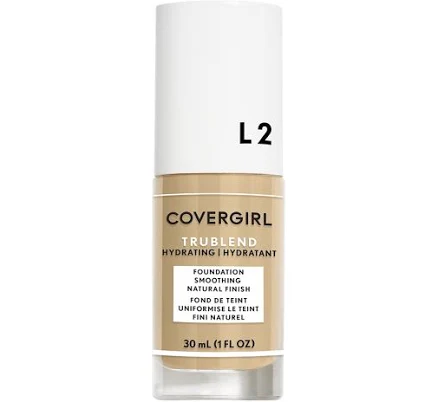
COVERGIRL TruBlend Liquid Foundation Makeup
Typical liquid foundation with low PFAS risk profile; no data contradicts safety.
CoverGirl TruBlend is a standard water-based liquid foundation without known PFAS-containing additives. No public PFAS concerns or recalls documented for this product line.
We flunk more products than we pass. This one earned its grade. How we grade
Material
water-based liquid pigments, talc, silicones
Brand disclosure
Brand is silent on PFAS
Lab data
No public lab test
You may also be interested in
Top-graded picks in the categories readers replace first, every one scored on the same rubric.

- polypropylene filter housing, carbon/sediment cartridge
- We found no PFAS statement from the brand
- Bacterial growth in spent cartridges
3 hazards checked on this product, all on its full breakdown.

Aquasure
Premier Series 75 GPD Under Sink Reverse Osmosis Water Filtration System
- RO membrane, carbon filters, stainless steel housing
- We found no PFAS statement from the brand
- Bacterial and microbial growth in housing and filters
4 hazards checked on this product, all on its full breakdown.

Avocado
Vegan Mattress
- organic cotton, natural latex, coconut coir, recycled steel coils
- The brand calls it PFAS-free, which we have not verified
- Heavy metals
2 hazards checked on this product, all on its full breakdown.
What COVERGIRL TruBlend Liquid Makeup is made of, ingredients and materials
CoverGirl TruBlend is a water-based liquid foundation containing pigments, silicones (for slip and blending), and talc as a texture agent. Water-based formulas present lower chemical volatility than oil-based alternatives and reduce risk of certain solvents. Silicones are inert once applied and do not bioaccumulate; talc presence requires attention only if sourced from contaminated deposits or applied heavily to sensitive areas over years.
What’s concerning
Category baseline
The starting point for this type of product, before anything specific to this product is counted.
No PFAS disclosure
No public statement from the brand about PFAS in this product.
Lead
Iron oxides, mica, and synthetic colorants in liquid foundations can contain trace metals within regulatory limits (FDA permits up to 10 ppm lead in cosmetics). CoverGirl does not publish metal testing results; standard batch testing by manufacturers is not publicly disclosed.
Source, ATSDR ↗1,4-dioxane (solvent contaminant)
Water-based formulas have lower dioxane risk than oil-based; silicone emulsifiers can be processed using dioxane-generating methods. CoverGirl does not list dioxane as an ingredient but does not confirm its absence in manufacturing residues.
What’s reassuring
Base material not linked to PFAS
The main material recorded for this product is not one associated with PFAS.
Talc contamination (asbestos risk)
No recalls or test reports of asbestos-contaminated talc in CoverGirl TruBlend on record. FDA cosmetic talc oversight is passive; if talc is sourced from high-purity deposits, risk is negligible.
Fragrance allergens
TruBlend formulas vary; some versions list 'fragrance' generically without disclosure of specific allergens. No established reports of contact dermatitis or sensitization linked to this product.
Formaldehyde / VOCs
Preservatives in liquid foundations (e.g., methylisothiazolinone, phenoxyethanol) are not formaldehyde donors. No evidence of formaldehyde in TruBlend formulations or industry recalls for this class.
Source, ATSDR ↗How is this PFAS grade calculated?
The brand's record and disclosure
CoverGirl (owned by Coty) does not publicly disclose detailed ingredient sourcing, heavy metal testing, or talc purity certifications on their website. The brand has faced no major recalls for lead, cadmium, or talc contamination in recent years. CoverGirl does not market talc-free formulations prominently, suggesting standard sourcing rather than premium supply chains; transparency on third-party testing is minimal.
How it compares in its category
TruBlend sits in the mid-market segment; many competitors (e.g., Maybelline Fit Me, L'Oréal True Match) use similar water-silicone bases with talc. Premium brands (Estée Lauder, MAC) often emphasize talc-free or heavy-metal-tested formulas, commanding higher prices. Mass-market foundations like CoverGirl typically rely on standard regulatory compliance (FDA cosmetic rules) rather than voluntary third-party certification.
If you buy it
Apply with clean brushes or sponges to minimize bacterial transfer. Store in a cool, dry place away from direct sunlight to prevent silicone separation or pigment oxidation. Discard after 12 months of opening or if odor, color shift, or texture changes occur. If you have talc sensitivity or use the product daily on face and neck, consider patch-testing first or rotating with talc-free alternatives.
What is not known about PFAS in this product?
- Basis
- Model estimate, 72% confidence, not a lab result
- Lab test
- None on record for this exact product
- Brand statement
- CoverGirl has made none
Formulations change between production runs, so check the current label. How we grade.
More makeup grades
How we score, every product runs through the same public 0-100 rubric based on materials, coatings, brand disclosure, lab findings, and recalls. See the full methodology → Spotted a mistake? Report an error.