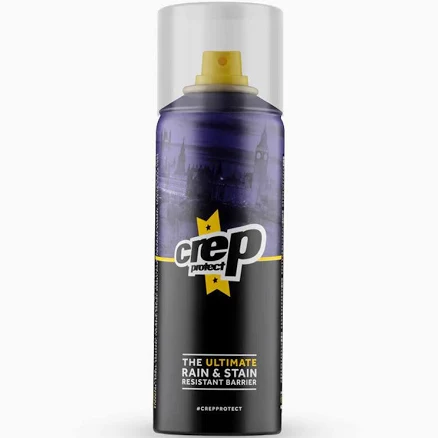
Crep Protect · Shoe Waterproofing Sprays
Crep Protect Spray
Skip until brand discloses water-repellent chemistry.
This sneaker protectant repels water and stains, functions historically accomplished with PFAS chemistries. The brand does not disclose active ingredients or PFAS content, leaving risk unverifiable.
Still want this one anyway? Check the price on Amazon. We’d swap it.
Material
Proprietary water/stain repellent spray coating
Lab data
No public lab test
You may also be interested in
Top-graded picks in the categories readers replace first, every one scored on the same rubric.

- polypropylene filter housing, carbon/sediment cartridge
- We found no PFAS statement from the brand
- Bacterial growth in spent cartridges
3 hazards checked on this product, all on its full breakdown.

Aquasure
Premier Series 75 GPD Under Sink Reverse Osmosis Water Filtration System
- RO membrane, carbon filters, stainless steel housing
- We found no PFAS statement from the brand
- Bacterial and microbial growth in housing and filters
4 hazards checked on this product, all on its full breakdown.

Avocado
Vegan Mattress
- organic cotton, natural latex, coconut coir, recycled steel coils
- The brand calls it PFAS-free, which we have not verified
- Heavy metals
2 hazards checked on this product, all on its full breakdown.
What Crep Protect Spray is made of, ingredients and materials
Crep Protect Spray is a proprietary aerosol coating designed to create water and stain resistance on fabric and suede. The brand does not publicly disclose its active water-repellent chemistry, though industry analysis of similar products in this category typically relies on fluorinated compounds (PFAS family) as the primary functional ingredient. Without transparency, the exact risk profile cannot be fully assessed, but the persistent water-repellency claim strongly suggests PFAS-based chemistry rather than polysiloxane or wax alternatives.
What’s concerning
Category baseline
The starting point for this type of product, before anything specific to this product is counted.
No PFAS disclosure
No public statement from the brand about PFAS in this product.
Waterproof / stain-resistant treatment
Water-repellent coating treatments have historically used PFAS.
Volatile organic compounds (VOCs) and solvent inhalation
Aerosol spray-on protectants inherently release propellants and solvent carriers during application. Inhalation exposure is direct and difficult to fully avoid, even with ventilation, particularly in enclosed spaces.
Skin and respiratory sensitization from fragrance or residual chemicals
Proprietary formulas often include fragrance masking and undisclosed additives. No ingredient list is public, so sensitization risk cannot be ruled out, especially for users with chemical sensitivity or asthma.
Microplastic or particulate shedding into groundwater during wear and washing
Spray coatings can flake or shed over time with abrasion and repeated laundering of the treated fabric. Shed particles may enter waterways; the degradation rate and particle size for this specific product are not documented.
PFAS
While PFAS is graded separately, it is relevant context, PFAS compounds used in water-repellents do not break down in soil or water and accumulate in human blood and wildlife. This product's likely PFAS content makes its environmental footprint significant.
Source, ATSDR ↗How is this PFAS grade calculated?
The brand's record and disclosure
Crep Protect has maintained silence on PFAS content and chemistry despite industry-wide movement toward disclosure. The brand offers no third-party certifications (Bluesign, Oeko-Tex, GOTS) that would indicate lower-concern chemistry or supply-chain oversight. No recalls or formal safety complaints are on record, but the absence of public ingredient transparency in a product category known for high PFAS reliance is itself a disclosure failure that prevents informed purchasing.
How it compares in its category
Spray-on shoe protectants dominate the sneaker-care market, and most major brands (Crep Protect, Jason Markk, etc.) rely on undisclosed or PFAS-containing formulas. Alternatives with lower concern include wax-based solid protectants and polysiloxane sprays, though these offer shorter durability. Crep Protect is positioned as a premium, durable option, but that durability likely comes at the cost of persistent PFAS use.
If you buy it
Apply only in well-ventilated spaces or outdoors; aerosol inhalation can carry solvent and propellant risks. Use on dried shoes only and allow full cure (2-4 hours) before wearing. Reapplication is typically needed every 6-12 months depending on wear and cleaning frequency. Avoid breathing spray mist and keep away from children and pets during application and curing.
What is not known about PFAS in this product?
- Basis
- Model estimate, 35% confidence, not a lab result
- Lab test
- None on record for this exact product
- Brand statement
- Crep Protect has made a specific claim
Formulations change between production runs, so check the current label. How we grade.
What are the PFAS-free alternatives to Crep Protect Spray?
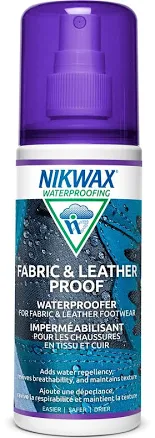
- Fabric and leather waterproofing treatment (wax-based)
- The brand calls it PFAS-free, which we have not verified
- Volatile organic compounds (VOCs) in spray carrier
3 hazards checked on this product, all on its full breakdown.
Find an alternative on Amazon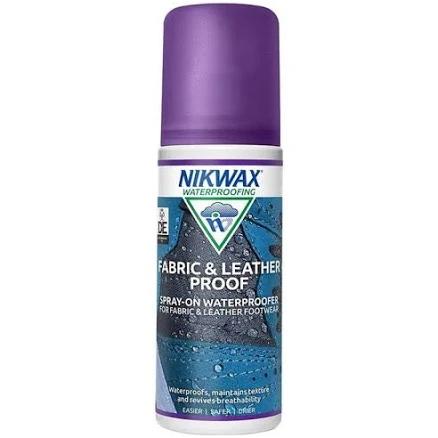
- Proprietary water-repellent coating (water-repellent coating) treatment on fabric and leather
- The brand calls it PFAS-free, which we have not verified
- Inhalation exposure from aerosol application
4 hazards checked on this product, all on its full breakdown.
Find an alternative on Amazon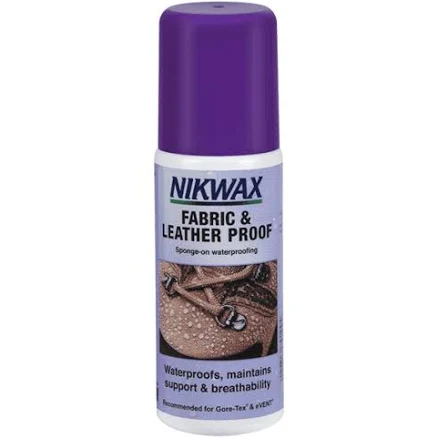
- Solvent-based or water-based waterproofing treatment (formula not publicly disclosed)
- The brand calls it PFAS-free, which we have not verified
- Volatile organic compounds (VOCs) and solvent inhalation
3 hazards checked on this product, all on its full breakdown.
Find an alternative on AmazonMore shoe waterproofing sprays grades
How we score, every product runs through the same public 0-100 rubric based on materials, coatings, brand disclosure, lab findings, and recalls. See the full methodology → Spotted a mistake? Report an error.