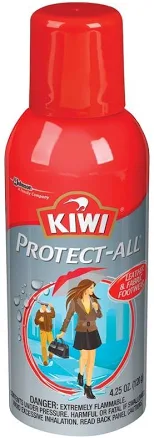
Kiwi · Shoe Waterproofing Sprays
Kiwi 70415 Boot Protector
Skip until Kiwi discloses waterproofing chemistry; PFAS risk unclear.
This aerosol spray treatment for leather and fabric water and stain resistance has no brand PFAS or fluorochemical disclosure. Boot protectors with water-repellent coating finishes historically contain PFAS.
Still want this one anyway? Check the price on Amazon. We’d swap it.
Material
Aerosol spray coating (unspecified fluorochemical composition)
Lab data
No public lab test
You may also be interested in
Top-graded picks in the categories readers replace first, every one scored on the same rubric.

- polypropylene filter housing, carbon/sediment cartridge
- We found no PFAS statement from the brand
- Bacterial growth in spent cartridges
3 hazards checked on this product, all on its full breakdown.

Aquasure
Premier Series 75 GPD Under Sink Reverse Osmosis Water Filtration System
- RO membrane, carbon filters, stainless steel housing
- We found no PFAS statement from the brand
- Bacterial and microbial growth in housing and filters
4 hazards checked on this product, all on its full breakdown.

Avocado
Vegan Mattress
- organic cotton, natural latex, coconut coir, recycled steel coils
- The brand calls it PFAS-free, which we have not verified
- Heavy metals
2 hazards checked on this product, all on its full breakdown.
What Kiwi 70415 Boot Protector is made of, ingredients and materials
Kiwi 70415 is an aerosol spray formulation designed to repel water and stains from leather, suede, and canvas footwear. The active waterproofing agent is described only as a fluorochemical compound, with no public breakdown of specific chemistry, chain length, or fluorine saturation. This opacity is the core safety concern, without knowing whether the formula contains long-chain PFOA/PFOS-type compounds or shorter-chain alternatives, exposure and environmental persistence cannot be properly assessed. The aerosol delivery system also introduces inhalation as a primary exposure route during application.
What’s concerning
Category baseline
The starting point for this type of product, before anything specific to this product is counted.
No PFAS disclosure
No public statement from the brand about PFAS in this product.
Waterproof / stain-resistant treatment
Water-repellent coating treatments have historically used PFAS.
Inhalation exposure to fluorochemical propellant and active ingredient
Aerosol delivery creates airborne vapor and particulate during spraying. While acute respiratory irritation is unlikely at typical consumer doses, chronic low-level inhalation of undisclosed fluorochemicals during frequent application (e.g., seasonal footwear maintenance) has not been studied in published literature for this specific formulation.
Skin contact with liquid concentrate (if can ruptures or leaks)
The product is formulated as a pressurized aerosol, so skin contact is low under normal use. However, the fluorochemical concentrate itself may cause irritation or sensitization if direct contact occurs; no Material Safety Data Sheet excerpt publicly addresses skin reaction thresholds for this brand.
VOC and solvent off-gassing after application
Aerosol shoe protectors typically contain organic solvents (butane, propane, or isopentane) that continue to evaporate after spraying. Exposure in poorly ventilated spaces (e.g., bedroom closets, car interiors) can accumulate; no product-specific VOC concentration data is publicly available for Kiwi 70415.
Degradation of shoe materials over time with repeated application
Repeated aerosol coating on delicate materials (suede, nubuck, mesh) may cause buildup, discoloration, or stiffening. Kiwi provides limited guidance on reapplication frequency or cumulative coating safety on specialty leather or synthetic uppers.
Environmental persistence and bioaccumulation of fluorochemicals if disposed improperly
The undisclosed fluorochemical component, once sprayed onto footwear, will eventually wash off into soil and water systems during normal wear and laundering. Without knowledge of PFAS chain length, the persistence and bioaccumulation potential cannot be quantified but remains a significant environmental concern in the category.
How is this PFAS grade calculated?
The brand's record and disclosure
Kiwi (owned by Reckitt Benckiser) has not publicly committed to PFAS phase-out timelines or disclosed waterproofing chemistry for its aerosol shoe protectors. The brand maintains a general silence on fluorochemical composition across its footwear care line, in contrast to competitors like Nikwax and Sawyer, who have pivoted to fluorine-free water-repellent formulas or openly communicate their PFAS strategy. No major recalls or acute toxicity incidents are on record for this specific product, but absence of incident data does not indicate absence of chemical hazard.
How it compares in its category
Aerosol fluorochemical shoe sprays remain common in mass-market footwear care, but the category is shifting toward wax-based, silicone, and plant-oil alternatives that avoid PFAS altogether. Brands like Nikwax, Grangers, and Sawyer offer fluorine-free repellents with equivalent performance and lower regulatory scrutiny. Kiwi's refusal to disclose or reformulate places it in the middle of a declining category segment, neither leading on transparency nor matching the cost-effectiveness of entry-level alternatives.
If you buy it
Apply only in a well-ventilated outdoor space or with a respirator; do not use indoors or in enclosed closets. Shake the can for 1-2 minutes before each use and hold 6-8 inches from the shoe surface, using short bursts. Allow the shoe to dry completely (2-4 hours minimum) before wearing. Reapply every 2-3 months or after heavy water exposure. Store in a cool, dry place away from heat and direct sunlight to prevent pressure buildup in the aerosol canister.
What is not known about PFAS in this product?
- Basis
- Model estimate, 35% confidence, not a lab result
- Lab test
- None on record for this exact product
- Brand statement
- Kiwi has made a specific claim
Formulations change between production runs, so check the current label. How we grade.
What are the PFAS-free alternatives to Kiwi 70415 Boot Protector?
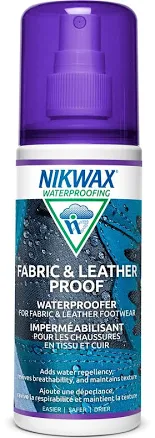
- Fabric and leather waterproofing treatment (wax-based)
- The brand calls it PFAS-free, which we have not verified
- Volatile organic compounds (VOCs) in spray carrier
3 hazards checked on this product, all on its full breakdown.
Find an alternative on Amazon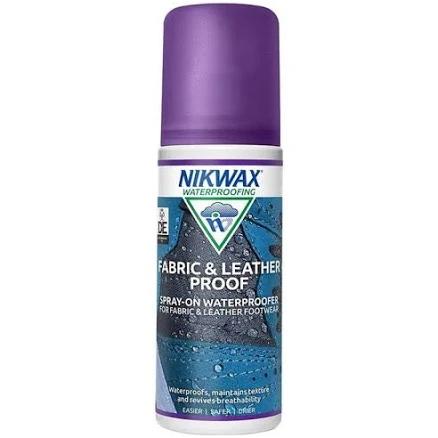
- Proprietary water-repellent coating (water-repellent coating) treatment on fabric and leather
- The brand calls it PFAS-free, which we have not verified
- Inhalation exposure from aerosol application
4 hazards checked on this product, all on its full breakdown.
Find an alternative on Amazon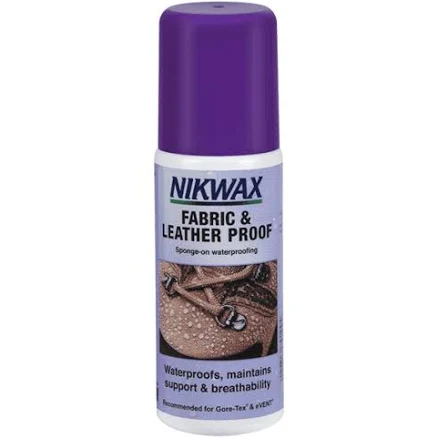
- Solvent-based or water-based waterproofing treatment (formula not publicly disclosed)
- The brand calls it PFAS-free, which we have not verified
- Volatile organic compounds (VOCs) and solvent inhalation
3 hazards checked on this product, all on its full breakdown.
Find an alternative on AmazonMore shoe waterproofing sprays grades
How we score, every product runs through the same public 0-100 rubric based on materials, coatings, brand disclosure, lab findings, and recalls. See the full methodology → Spotted a mistake? Report an error.