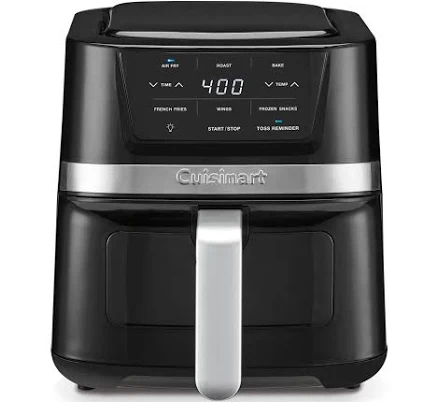
Cuisinart Air-80 2.6 Qt. Basket Air Fryer
Wait for Cuisinart to reveal basket coating materials and PFAS information.
The Air-80 basket features a non-stick coating whose chemistry Cuisinart doesn't disclose publicly. Without lab tests or material details, PFAS risk stays unclear.
The better-graded swap
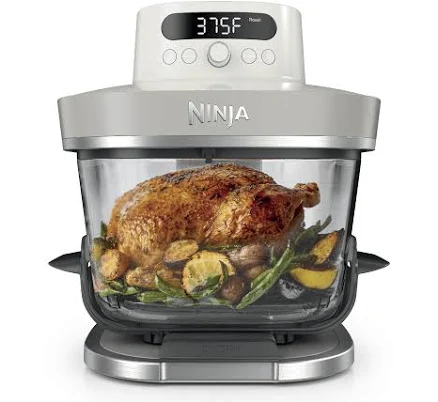
Ninja
Ninja Crispi Pro 6-in-1 Glass Air Fryer
75/100 safety
Same rubric that flunked this product. The swap earned Excellent.
Still want this one anyway? Check the price on Amazon. We’d swap it.
Material
Non-stick coated basket (composition unspecified)
Lab data
No public lab test
You may also be interested in
Top-graded picks in the categories readers replace first, every one scored on the same rubric.

- polypropylene filter housing, carbon/sediment cartridge
- We found no PFAS statement from the brand
- Bacterial growth in spent cartridges
3 hazards checked on this product, all on its full breakdown.

Aquasure
Premier Series 75 GPD Under Sink Reverse Osmosis Water Filtration System
- RO membrane, carbon filters, stainless steel housing
- We found no PFAS statement from the brand
- Bacterial and microbial growth in housing and filters
4 hazards checked on this product, all on its full breakdown.

Avocado
Vegan Mattress
- organic cotton, natural latex, coconut coir, recycled steel coils
- The brand calls it PFAS-free, which we have not verified
- Heavy metals
2 hazards checked on this product, all on its full breakdown.
What Cuisinart Air-80 2.6 Qt. Basket Air Fryer is made of, ingredients and materials
The Air-80 features a non-stick coated basket, but Cuisinart has not publicly specified whether the coating is Teflon-type coating-based (traditional Teflon), ceramic, or proprietary ceramic-hybrid. This distinction matters because Teflon-type coating releases toxic fumes above 500°F, while ceramic coatings have different thermal and leaching profiles. The basket itself is typically steel or aluminum substrate. Without material transparency, you cannot independently verify thermal safety limits or coating durability claims.
What’s concerning
Category baseline
The starting point for this type of product, before anything specific to this product is counted.
No PFAS disclosure
No public statement from the brand about PFAS in this product.
Non-stick, chemistry undisclosed
Marketed as non-stick without stating the coating chemistry.
Teflon-type coating (Teflon) fume inhalation risk
If coating is Teflon-type coating-based (unconfirmed), overheating above 500°F or prolonged exposure to direct flame produces fluorinated polymer fumes that can cause acute respiratory irritation and polymer fume fever. Risk is low under normal use but increases with malfunction, user error, or preheating empty basket at high power.
Coating degradation and microflaking
Non-stick coatings degrade with mechanical abrasion (metal utensils, aggressive scrubbing) and thermal cycling. Flaking particles may be ingested with food; long-term health effects of polymer microflakes are not well-established but represent a contact hazard. Dishwasher cycling and high-heat washing accelerate this.
Aluminum leaching (if substrate is aluminum)
Air fryer baskets are often aluminum under the non-stick coat. Acidic or high-salt foods may contact the substrate if coating is compromised, potentially leaching small amounts of aluminum into food. Healthy individuals process dietary aluminum, but chronic high exposure is under investigation for neurological effects.
Thermal stability of proprietary coating unknown
Cuisinart has not disclosed whether the coating is tested for stability at air fryer operating temperatures or whether off-gassing occurs within the normal 350-400°F range. Without independent certification or material safety data, actual thermal safety profile cannot be verified by consumer.
Lack of food contact material transparency
Multiple consumer reviews and safety analyses note that air fryer manufacturers rarely disclose food-contact coating composition or test results. This is a category-wide gap, but Cuisinart's silence on this model is consistent with industry norms and does not indicate a specific breach.
How is this PFAS grade calculated?
The brand's record and disclosure
Cuisinart does not publicly disclose coating materials or PFAS content for this model on product pages or safety documentation reviewed. The brand has not published commitments to phase out PFAS or adopt ceramic alternatives in cookware lines. This silence is notable because major competitors (Ninja, Instant Pot) increasingly highlight non-Teflon-type coating designs or claim lower concern regarding PFAS. Cuisinart's lack of proactive disclosure suggests coating composition may not be their market differentiator.
How it compares in its category
Mid-range air fryers vary widely, some use ceramic coatings or stainless steel baskets (lower thermal risk), others rely on Teflon-type coating without disclosure (higher risk if overheated). The Air-80 is priced competitively but does not market non-stick safety as a selling point, unlike brands explicitly advertising PFAS-free or ceramic options. This product sits in the 'standard non-stick' category where user behavior (temperature control, coating care) becomes the primary control.
If you buy it
Keep air fryer temperature at manufacturer recommended settings (typically max 400°F); never preheat empty or expose basket to flame or extreme heat. Hand wash the basket rather than dishwasher to extend coating life and reduce friction damage. Replace the basket if coating visibly peels, cracks, or discolors. Request written specification of coating material from Cuisinart customer service before purchase if Teflon-type coating or PFAS status matters to your household; save the response for reference.
What is not known about PFAS in this product?
- Basis
- Model estimate, 35% confidence, not a lab result
- Lab test
- None on record for this exact product
- Brand statement
- Cuisinart has made a specific claim
Formulations change between production runs, so check the current label. How we grade.
What are the PFAS-free alternatives to Cuisinart Air-80 2.6 Qt. Basket Air Fryer?
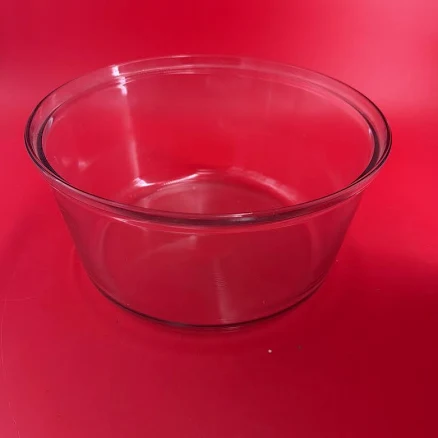
- borosilicate glass, bare uncoated
- We found no PFAS statement from the brand
- Thermal shock and fracture
2 hazards checked on this product, all on its full breakdown.
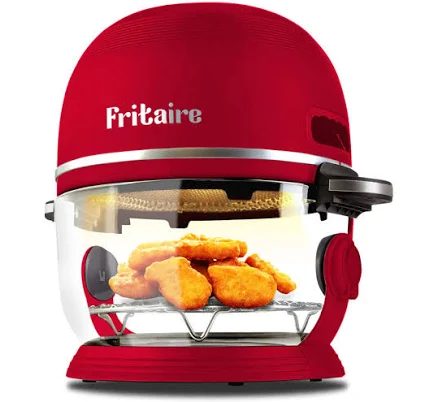
- borosilicate glass
- We found no PFAS statement from the brand
- Aluminum leaching from base/housing
4 hazards checked on this product, all on its full breakdown.
Find an alternative on Amazon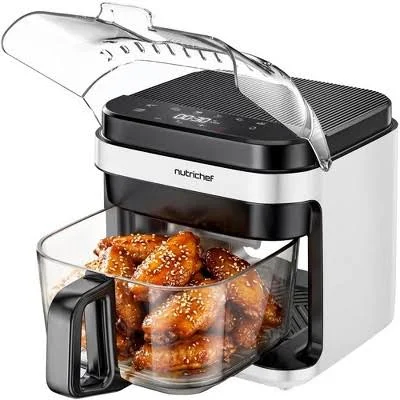
- glass bowl, stainless steel exterior
- We found no PFAS statement from the brand
- Thermal stress and glass breakage
2 hazards checked on this product, all on its full breakdown.
Find an alternative on AmazonMore air fryers grades
How we score, every product runs through the same public 0-100 rubric based on materials, coatings, brand disclosure, lab findings, and recalls. See the full methodology → Spotted a mistake? Report an error.