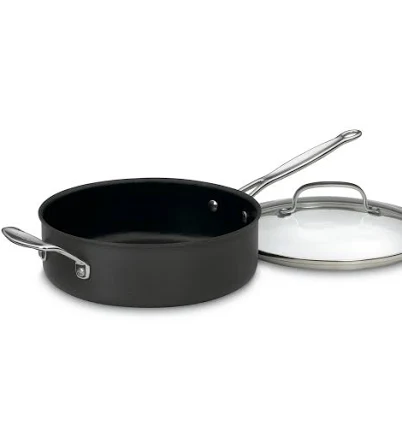
Cuisinart Chef's Classic 5.5-Quart Saute Pan, Is It Non-Toxic?
Nonstick coating chemistry not stated, raising concern about possible PFAS.
This hard-anodized aluminum saute pan has a nonstick coating, but Cuisinart does not disclose the coating chemistry or make any public statement about PFAS. Without this information or third-party testing, the presence of PFAS cannot be ruled out.
The better-graded swap
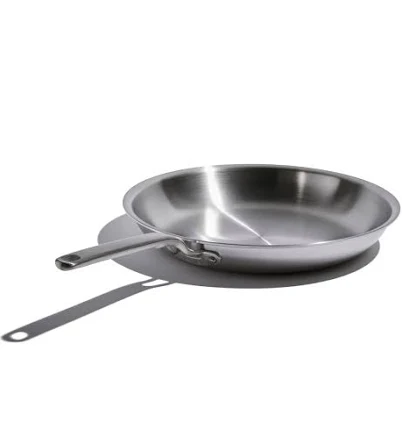
Heritage Steel
Heritage Steel Eater Fry Pan
100/100 safety
Same rubric that flunked this product. The swap earned Excellent.
Still want this one anyway? Check the price on Amazon. We’d swap it.
Material
Hard-anodized aluminum with nonstick coating (type unspecified)
Lab data
No public lab test
You may also be interested in
Top-graded picks in the categories readers replace first, every one scored on the same rubric.

- polypropylene filter housing, carbon/sediment cartridge
- We found no PFAS statement from the brand
- Bacterial growth in spent cartridges
3 hazards checked on this product, all on its full breakdown.

Aquasure
Premier Series 75 GPD Under Sink Reverse Osmosis Water Filtration System
- RO membrane, carbon filters, stainless steel housing
- We found no PFAS statement from the brand
- Bacterial and microbial growth in housing and filters
4 hazards checked on this product, all on its full breakdown.

Avocado
Vegan Mattress
- organic cotton, natural latex, coconut coir, recycled steel coils
- The brand calls it PFAS-free, which we have not verified
- Heavy metals
2 hazards checked on this product, all on its full breakdown.
Is Cuisinart Chef's Classic Saute Pan non-toxic? What it is made of
This pan uses hard-anodized aluminum as its base, a process that creates a durable oxide layer resistant to corrosion and scratching. The nonstick coating type is not publicly specified by Cuisinart on product documentation, which is a significant transparency gap. Hard-anodized aluminum itself is not a material linked to PFAS when the anodization layer remains intact, but the unknown nonstick chemistry introduces uncertainty about fluorinated compounds (PFAS) or other synthetic polymers used in the coating.
What’s concerning
Category baseline
The starting point for this type of product, before anything specific to this product is counted.
No PFAS disclosure
No public statement from the brand about PFAS in this product.
Non-stick, chemistry undisclosed
Marketed as non-stick without stating the coating chemistry.
Aluminum leaching from damaged anodization
If the hard-anodized layer is scratched or compromised, underlying aluminum can contact acidic foods. While acute toxicity is rare, long-term aluminum exposure is debated in relation to neurological health; risk increases if the pan is used for decades or in acidic cooking (vinegar-based sauces, citrus).
Nonstick coating degradation and particulate release
Nonstick coatings on aluminum cookware degrade over time with high heat, scratching, or abrasion. Flaking or peeling coating particles can enter food. The unknown composition of Cuisinart's coating means the composition of any released particles is unclear, adding uncertainty to the safety profile.
Teflon-type coating fume risk (if Teflon-type coating-based)
If the coating contains Teflon-type coating (conventional Teflon), heating above 500F can release fumes that cause polymer fume fever in humans and is acutely toxic to birds. Cuisinart's nondisclosure means consumers cannot rule out Teflon-type coating; high-heat cooking or accidental empty-pan preheating raises this risk.
Unknown synthetic polymer content in coating
Modern nonstick coatings may contain Teflon-type coating, PFA, GenX, or proprietary fluorinated or non-fluorinated polymers. Cuisinart does not specify which, making it impossible to assess whether newer PFAS replacements with unknown toxicology are present. This is a transparency and precautionary concern, not a confirmed hazard.
Lead
If the nonstick coating separates or blisters from the aluminum base, the exposed metal surface becomes reactive with food and heating. This is typically a usability failure but can lead to both aluminum leaching and ingestion of coating fragments if not immediately replaced.
Source, ATSDR ↗How is this PFAS grade calculated?
The brand's record and disclosure
Cuisinart does not publicly disclose the specific chemistry of its nonstick coatings or provide certifications like GenX-free or Teflon-type coating-free labeling on this product line. The brand has not faced major recalls related to nonstick cookware safety, but their silence on coating composition contrasts with competitors who now market Teflon-type coating-free or ceramic alternatives. Without transparency, consumers cannot verify whether the coating contains legacy PFAS, newer PFAS replacements, or alternatives with lower concern.
How it compares in its category
Hard-anodized aluminum nonstick cookware is mainstream and mid-tier in performance and cost. This Cuisinart model sits between budget nonstick cookware (typically less durable) and premium options from brands like All-Clad or Le Creuset that either disclose their chemistry clearly or use ceramic coatings. Many competitors now offer explicit PFOA-free or PFAS-free certifications; Cuisinart's absence of such marketing suggests the company has not adopted this as a selling point.
If you buy it
Use on medium heat or lower; high heat accelerates nonstick coating degradation and can release fumes if the coating contains Teflon-type coating. Hand-wash only to preserve the coating; dishwasher use speeds breakdown. Inspect the surface regularly for scratches, peeling, or discoloration. Replace the pan within 3-5 years of regular use, sooner if the coating shows visible wear, as flaking coating particles entering food is the primary direct health risk. Avoid preheating an empty pan, which concentrates heat on the coating.
What is not known about PFAS in this product?
- Basis
- Model estimate, 35% confidence, not a lab result
- Lab test
- None on record for this exact product
- Brand statement
- Cuisinart has made a specific claim
Formulations change between production runs, so check the current label. How we grade.
What are the PFAS-free alternatives to Cuisinart Chef's Classic 5.5-Quart Saute Pan?
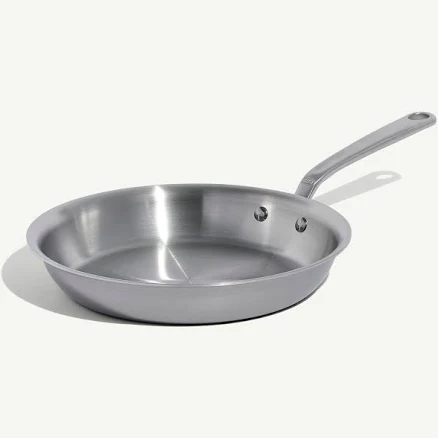
- Stainless steel clad construction, no nonstick coating
- The brand calls it PFAS-free, which we have not verified
- Clad separation or delamination over time
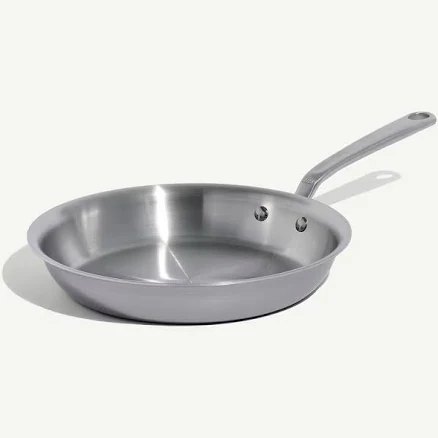
- stainless steel clad construction, no nonstick coating
- The brand calls it PFAS-free, which we have not verified
- Nickel leaching from stainless steel
3 hazards checked on this product, all on its full breakdown.
- Clad stainless steel, no coating
- The brand calls it PFAS-free, which we have not verified
- Metal ion release during cooking (iron, nickel, chromium)
More cookware grades
How we score, every product runs through the same public 0-100 rubric based on materials, coatings, brand disclosure, lab findings, and recalls. See the full methodology → Spotted a mistake? Report an error.