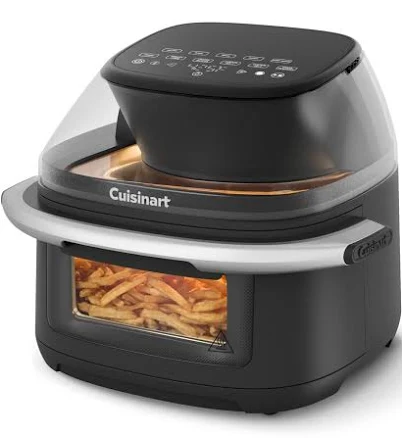
Cuisinart ClearView Large 9-Quart Basket Air Fryer
Wait for Cuisinart to reveal basket coating composition.
This large model's non-stick basket coating remains undisclosed by Cuisinart. Most air fryer baskets use Teflon-type coating or Teflon-family coating coatings that may carry PFAS.
The better-graded swap
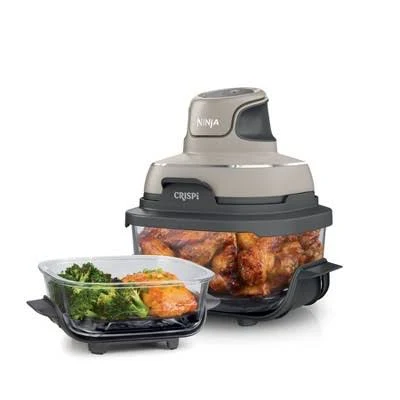
Ninja
Ninja Crispi 4-in-1 Portable Glass Air Fryer Cooking System
75/100 safety
Same rubric that flunked this product. The swap earned Excellent.
Still want this one anyway? Check the price on Amazon. We’d swap it.
Material
Non-stick coated basket (composition unspecified)
Lab data
No public lab test
You may also be interested in
Top-graded picks in the categories readers replace first, every one scored on the same rubric.

- polypropylene filter housing, carbon/sediment cartridge
- We found no PFAS statement from the brand
- Bacterial growth in spent cartridges
3 hazards checked on this product, all on its full breakdown.

Aquasure
Premier Series 75 GPD Under Sink Reverse Osmosis Water Filtration System
- RO membrane, carbon filters, stainless steel housing
- We found no PFAS statement from the brand
- Bacterial and microbial growth in housing and filters
4 hazards checked on this product, all on its full breakdown.

Avocado
Vegan Mattress
- organic cotton, natural latex, coconut coir, recycled steel coils
- The brand calls it PFAS-free, which we have not verified
- Heavy metals
2 hazards checked on this product, all on its full breakdown.
What Cuisinart ClearView Large Basket Air Fryer is made of, ingredients and materials
The Cuisinart ClearView uses a non-stick coated basket, but the manufacturer has not publicly specified whether the coating is Teflon-type coating (traditional Teflon), ceramic, or another polymer. This matters because Teflon-type coating-based coatings can degrade at high temperatures and release volatile organic compounds (VOCs) and potentially harmful fumes above 400-500°F, and air fryers typically operate at 350-400°F. Without composition disclosure, you cannot assess whether the coating has appropriate thermal stability for this appliance's operating range or what degradation byproducts you might inhale during use.
What’s concerning
Category baseline
The starting point for this type of product, before anything specific to this product is counted.
No PFAS disclosure
No public statement from the brand about PFAS in this product.
Non-stick, chemistry undisclosed
Marketed as non-stick without stating the coating chemistry.
Teflon-type coating thermal degradation and fume release
If the coating is Teflon-type coating-based (unconfirmed), exposure to air fryer operating temperatures (typically 350-400°F) may cause thermal breakdown and release of hydrogen fluoride and other fluorinated gases. No independent testing of this model's emissions is on record.
Coating peeling and microparticle ingestion
Air fryer non-stick coatings commonly flake or peel after 1-3 years due to thermal cycling and mechanical friction. Ingestion of coating flakes is possible if they break into food; long-term health effects of coating microparticles are not well-studied, though acute toxicity is considered low.
Aluminum basket substrate leaching
If the basket is aluminum-based (typical for air fryers), any breaches in the non-stick coating could expose aluminum to acidic or high-fat foods. Aluminum leaching at lower concern levels is unlikely during normal air frying, but coating degradation increases this theoretical risk over time.
Volatile organic compound off-gassing
Most non-stick coatings release small amounts of VOCs when heated, particularly during initial use. Reported symptoms are rare but may include throat irritation or mild respiratory discomfort in poorly ventilated kitchens. This product provides no baseline off-gas testing data.
Lack of thermal degradation temperature specification
Cuisinart's product documentation does not specify the maximum temperature of the non-stick coating or warning signs of degradation. This omission leaves users without clear guidance on when the product becomes unsafe for continued use.
How is this PFAS grade calculated?
The brand's record and disclosure
Cuisinart has not issued public statements about non-stick coating chemistry, PFAS use, or thermal safety limits for this specific model. The brand does not appear to have third-party certifications (such as GREENGUARD or similar) that would validate low-VOC or PFAS-free claims. Without voluntary disclosure or independent testing on record, consumers cannot verify safety claims beyond the manufacturer's heating instructions.
How it compares in its category
Many air fryer manufacturers similarly avoid detailed coating disclosures, making this a common industry practice rather than a Cuisinart-specific failure. However, some competitors (notably Ninja and a few boutique brands) have begun listing ceramic or Teflon-type coating-free alternatives. The 9-quart capacity is larger than average, which may increase surface area for potential off-gassing if the coating is Teflon-type coating-based. Durability of non-stick coatings in air fryers typically declines after 1-3 years of regular use due to high heat cycling.
If you buy it
Operate the unit below 400°F if possible, as most Teflon-type coating coatings begin degrading visibly above this threshold. Ensure strong kitchen ventilation during use to disperse any vapors. Inspect the basket regularly for peeling, flaking, or discoloration of the non-stick layer; once visible damage occurs, stop using and replace the basket or unit. Do not preheat empty for extended periods, as this accelerates coating breakdown. Hand-wash the basket gently to avoid abrasion that can compromise the coating's integrity.
What is not known about PFAS in this product?
- Basis
- Model estimate, 35% confidence, not a lab result
- Lab test
- None on record for this exact product
- Brand statement
- Cuisinart has made a specific claim
Formulations change between production runs, so check the current label. How we grade.
What are the PFAS-free alternatives to Cuisinart ClearView Large 9-Quart Basket Air Fryer?
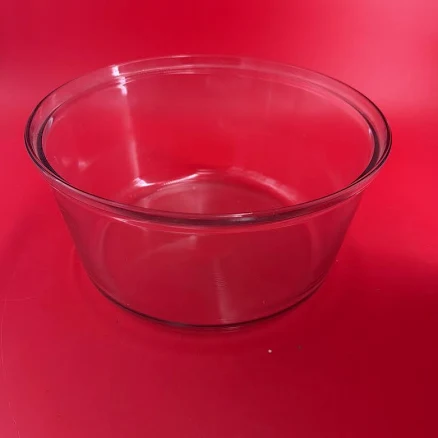
- borosilicate glass, bare uncoated
- We found no PFAS statement from the brand
- Thermal shock and fracture
2 hazards checked on this product, all on its full breakdown.
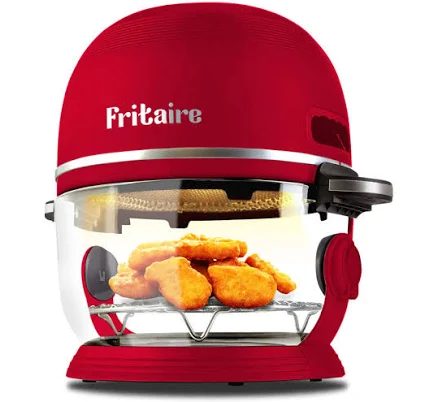
- borosilicate glass
- We found no PFAS statement from the brand
- Aluminum leaching from base/housing
4 hazards checked on this product, all on its full breakdown.
Find an alternative on Amazon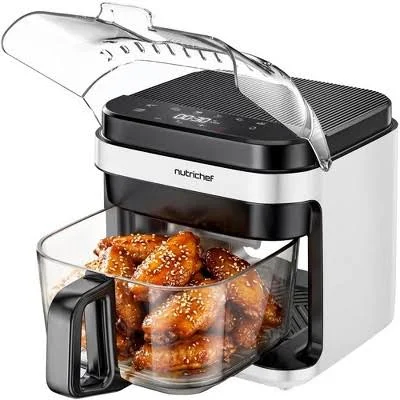
- glass bowl, stainless steel exterior
- We found no PFAS statement from the brand
- Thermal stress and glass breakage
2 hazards checked on this product, all on its full breakdown.
Find an alternative on AmazonMore air fryers grades
How we score, every product runs through the same public 0-100 rubric based on materials, coatings, brand disclosure, lab findings, and recalls. See the full methodology → Spotted a mistake? Report an error.