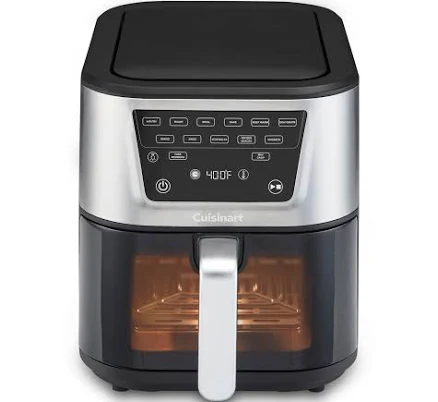
Cuisinart CompactMax 8-Qt. Basket Air Fryer Pro
Wait for Cuisinart to disclose coating materials or confirm independent PFAS testing.
Cuisinart's CompactMax Pro features a non-stick basket with no public details about the coating or PFAS status. The brand lacks PFAS-free claims or independent verification.
The better-graded swap
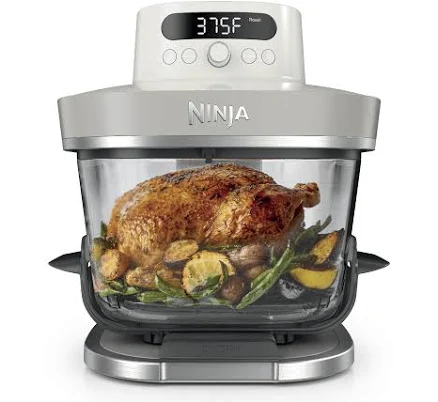
Ninja
Ninja Crispi Pro 6-in-1 Glass Air Fryer
75/100 safety
Same rubric that flunked this product. The swap earned Excellent.
Still want this one anyway? Check the price on Amazon. We’d swap it.
Material
Non-stick coated basket (type unspecified by brand)
Lab data
No public lab test
You may also be interested in
Top-graded picks in the categories readers replace first, every one scored on the same rubric.

- polypropylene filter housing, carbon/sediment cartridge
- We found no PFAS statement from the brand
- Bacterial growth in spent cartridges
3 hazards checked on this product, all on its full breakdown.

Aquasure
Premier Series 75 GPD Under Sink Reverse Osmosis Water Filtration System
- RO membrane, carbon filters, stainless steel housing
- We found no PFAS statement from the brand
- Bacterial and microbial growth in housing and filters
4 hazards checked on this product, all on its full breakdown.

Avocado
Vegan Mattress
- organic cotton, natural latex, coconut coir, recycled steel coils
- The brand calls it PFAS-free, which we have not verified
- Heavy metals
2 hazards checked on this product, all on its full breakdown.
What Cuisinart CompactMax 8-Qt. Air Fryer Pro is made of, ingredients and materials
The Cuisinart CompactMax uses a non-stick coated basket, but Cuisinart has not publicly specified whether the coating is Teflon-type coating-based (traditional Teflon), ceramic, or ceramic-hybrid. The heating element and housing are metal and plastic components typical of compact air fryers. Without material transparency, you cannot definitively rule out fluorinated compounds or assess degradation risk under repeated high-heat cycling.
What’s concerning
Category baseline
The starting point for this type of product, before anything specific to this product is counted.
No PFAS disclosure
No public statement from the brand about PFAS in this product.
Non-stick, chemistry undisclosed
Marketed as non-stick without stating the coating chemistry.
Teflon-type coating fume risk (thermal decomposition)
If the non-stick coating is Teflon-type coating-based and overheated above its recommended range (typically 500-600F), it can release fluorinated compounds and irritant fumes. Cuisinart's silence on coating type means you cannot rule out this risk; standard air fryer usage (350-400F) presents lower concern, but any malfunction or user error escalates concern.
Coating degradation and leaching
Repeated thermal cycling and mechanical wear (scratching, high-pressure cleaning) degrade non-stick layers over 1-3 years of regular use. As coating flakes or wears, microscopic particles may shed into food; chemical leachates from the substrate coating system are also theoretically possible once the barrier is compromised.
Maintenance-related bacterial growth in crevices
Air fryer baskets have perforations and corner crevices where food particles and moisture can trap bacteria if not thoroughly cleaned after each use. This is a use-and-maintenance issue rather than a material defect, but the CompactMax design does not appear to include dishwasher-safe or steam-cleanable baskets that would reduce this risk.
What’s reassuring
Plastic housing off-gassing and leachates
The plastic components of the control housing and interior walls are typical thermoplastic or phenolic resins used in kitchen appliances. No specific recalls or complaints document BPA, phthalates, or volatile organic compounds from Cuisinart air fryer housings, but off-gassing during the first few uses (especially on heating) is normal for new appliances and usually harmless at low concentrations
Electrical heating element contamination
The heating coil is typically nichrome wire or aluminum oxide ceramic, both inert and food-safe under normal operation. No documented issues with heavy metal leaching or contamination from Cuisinart CompactMax heating elements; risk is confined to non-stick coating contact rather than heat source itself.
How is this PFAS grade calculated?
The brand's record and disclosure
Cuisinart does not prominently disclose non-stick coating chemistry or PFAS status across product literature or their website. The brand has no known formal certifications (e.g., Greenguard, GOTS) for chemical transparency in small appliances. No major recalls specific to non-stick degradation or chemical leaching have been documented for Cuisinart air fryers, but this reflects limited independent testing rather than proven safety.
How it compares in its category
Most compact air fryers (Cosori, Ninja, Instant Pot) use similar non-stick baskets without public coating disclosure, making this Cuisinart model typical rather than exceptional. Some competing brands (e.g., Philips Airfryer models) have begun communicating ceramic or Teflon-type coating-free coatings in response to PFAS concerns. The CompactMax offers no stated advantage in coating transparency compared to category peers.
If you buy it
Never exceed the manufacturer's maximum operating temperature (typically 400-500F for air fryers); sustained overheating degrades any non-stick coating and increases fume risk. Hand-wash the basket with warm soapy water rather than abrasive scrubbers or dishwasher cycles, which accelerate coating wear. Inspect the basket before each use for scratches, discoloration, or peeling; replace if visible damage appears. Ensure adequate kitchen ventilation during use, especially if the product is new (off-gassing period).
What is not known about PFAS in this product?
- Basis
- Model estimate, 35% confidence, not a lab result
- Lab test
- None on record for this exact product
- Brand statement
- Cuisinart has made a specific claim
Formulations change between production runs, so check the current label. How we grade.
What are the PFAS-free alternatives to Cuisinart CompactMax 8-Qt. Basket Air Fryer Pro?
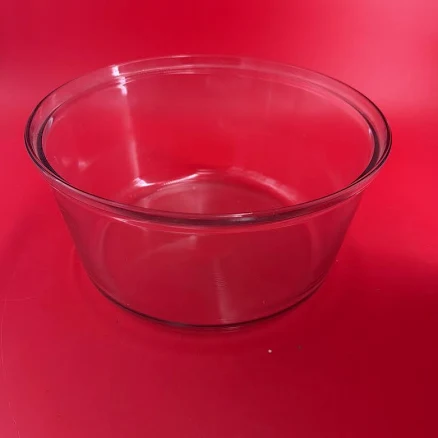
- borosilicate glass, bare uncoated
- We found no PFAS statement from the brand
- Thermal shock and fracture
2 hazards checked on this product, all on its full breakdown.
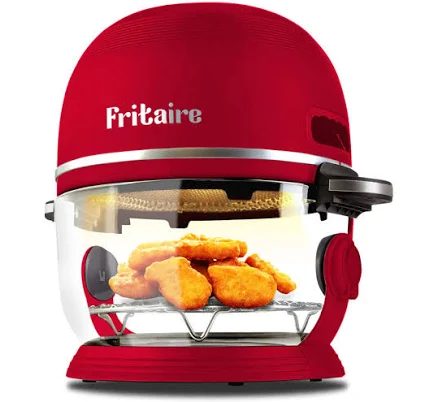
- borosilicate glass
- We found no PFAS statement from the brand
- Aluminum leaching from base/housing
4 hazards checked on this product, all on its full breakdown.
Find an alternative on Amazon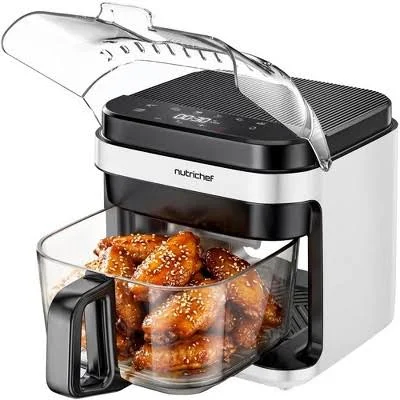
- glass bowl, stainless steel exterior
- We found no PFAS statement from the brand
- Thermal stress and glass breakage
2 hazards checked on this product, all on its full breakdown.
Find an alternative on AmazonMore air fryers grades
How we score, every product runs through the same public 0-100 rubric based on materials, coatings, brand disclosure, lab findings, and recalls. See the full methodology → Spotted a mistake? Report an error.