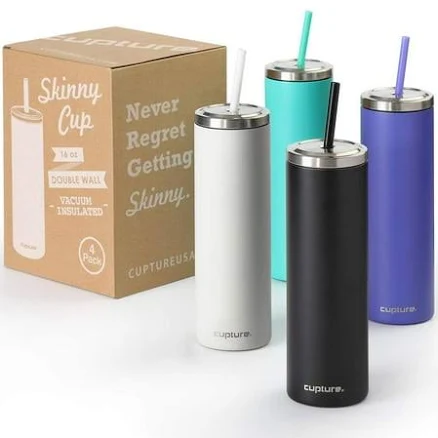
Cupture · Insulated Drink Tumblers
Cupture Stainless Steel Skinny Insulated Tumbler Cup with Lid and Reusable Straw
Lower concern. Stainless steel tumbler with uncoated materials and no PFAS disclosure.
The stainless steel tumbler body is an uncoated material not linked to PFAS. The lid and straw are recorded as BPA-free plastic, though their full chemistry is not stated. The brand has no PFAS statement on record for this product.
We flunk more products than we pass. This one earned its grade. How we grade
Material
stainless steel tumbler, BPA-free plastic lid and straw
Brand disclosure
Brand is silent on PFAS
Lab data
No public lab test
What Cupture Stainless Steel Skinny Insulated is made of, ingredients and materials
The tumbler body is stainless steel (grade not specified but typically 18/8 or 304), which is inert and does not leach metals into beverages even under heat or acidic conditions. The lid and reusable straw are plastic polymers marked BPA-free, but the specific polymer type (polypropylene, acrylic, copolyester, etc.) is not publicly disclosed by Cupture. The absence of stated material detail makes full hazard assessment impossible for the plastic components.
What’s concerning
No PFAS disclosure
No public statement from the brand about PFAS in this product.
Category baseline
The starting point for this type of product, before anything specific to this product is counted.
BPA & bisphenols
Cupture confirms BPA-free status but does not disclose the specific polymer (PP, acrylic, copolyester). Unknown polymers may contain phthalates, BPS (BPA substitute), or other estrogenic compounds, or may degrade into microplastics if scratched or heated repeatedly. Without material specification, this cannot be ruled out.
Source, FDA ↗Lid gasket and seal material unknown
The gasket material (often silicone or rubber) is not specified in product literature. Silicone is stable; cheaper rubbers may leach if repeatedly exposed to heat or alcohol-containing beverages. Degraded seals can shed particles into drinks.
Bacterial or mold growth in insulation layer
Double-wall insulated tumblers create sealed air gaps that can trap moisture if the tumbler is damaged or improperly sealed. If condensation or liquid penetrates the interior cavity, bacteria or mold may grow in the dead space. This is a maintenance issue, not a manufacturing defect, but affects long-term safety.
Thermal stress on plastic lid during hot liquid use
Repeated exposure of the plastic lid and straw to boiling or near-boiling beverages can soften, warp, or accelerate leaching of additives. Cupture does not specify a maximum safe temperature for the lid. Most stainless steel tumblers are rated for liquids up to 160-180F (71-82C); prolonged contact with hotter liquids may degrade the seal.
What’s reassuring
Bare uncoated material
Recorded as a bare, uncoated material with no surface coating or treatment.
Stainless steel grade and nickel leaching
Standard 18/8 or 304 stainless steel used in food-contact tumblers releases negligible nickel into beverages. Cupture does not specify grade, but nickel migration testing for food-contact stainless steel is routine and rarely finds excess in commercially sold products. No reports of nickel-related illness from Cupture tumblers exist.
The full breakdown
The brand's record and disclosure
Cupture has not published formal safety testing results, material specifications, or third-party certifications for this product line. The brand does not publicly acknowledge or deny PFAS use in lid/straw formulations. No recalls or safety complaints appear in FDA or CPSC records for Cupture tumblers as of available sources. The company's silence on polymer sourcing and manufacturing standards is typical of smaller drinkware brands but limits independent verification.
How it compares in its category
Stainless steel insulated tumblers have lower concern than double-wall plastic or glass alternatives because the steel interior eliminates polymer-beverage contact. Many competitors (Hydro Flask, YETI, S'well) disclose lid material (usually polypropylene or tritan) and certifications more transparently. Cupture's pricing and lack of premium certifications suggest cost-driven manufacturing; comparable brands in this price tier show similar disclosure gaps.
If you buy it
Hand-wash the lid and straw with warm water; do not place in dishwasher if the manufacturer recommends against it, as repeated high heat cycling can degrade plastic seals. Inspect the lid gasket and straw regularly for cracks, discoloration, or visible wear; replace if degradation occurs to prevent particle ingestion. Avoid leaving acidic or extremely hot liquids in the tumbler for extended periods, as this stresses the seal interface. Store dry to prevent bacterial or mold growth in the insulation layer if the tumbler is ever opened.
What we don’t know
- Basis
- Model estimate, 72% confidence, not a lab result
- Lab test
- None on record for this exact product
- Brand statement
- Cupture has made none
Formulations change between production runs, so check the current label. How we grade.
Better-graded alternatives in Insulated Drink Tumblers
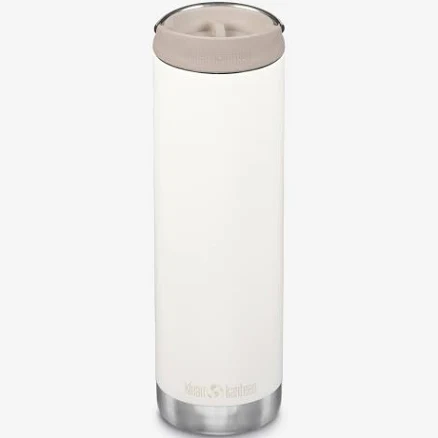
Klean Kanteen
20oz TKWide with Café Cap, Tofu
- Stainless steel bottle, stainless steel cap
- The brand calls it PFAS-free, which we have not verified
- Powder-coat cap degradation over time
3 hazards checked on this product. See all of them.
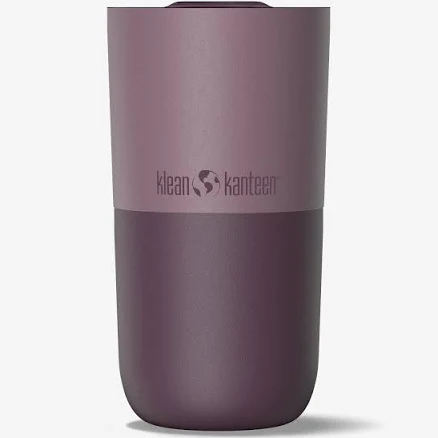
Klean Kanteen
16oz Rise Tumbler
- Stainless steel body, powder-coat finish
- The brand calls it PFAS-free, which we have not verified
- Powder-coat finish degradation
3 hazards checked on this product. See all of them.
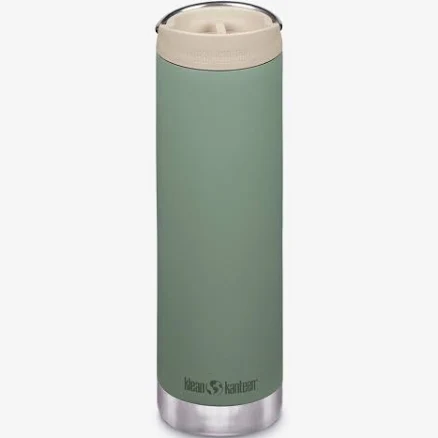
Klean Kanteen
Insulated TKWide Cap
- Stainless steel bottle, plastic cap and silicone gasket
- The brand calls it PFAS-free, which we have not verified
- Silicone gasket degradation and leaching
3 hazards checked on this product. See all of them.
More insulated drink tumblers grades
How we score, every product runs through the same public 0-100 rubric based on materials, coatings, brand disclosure, lab findings, and recalls. See the full methodology → Spotted a mistake? Report an error.