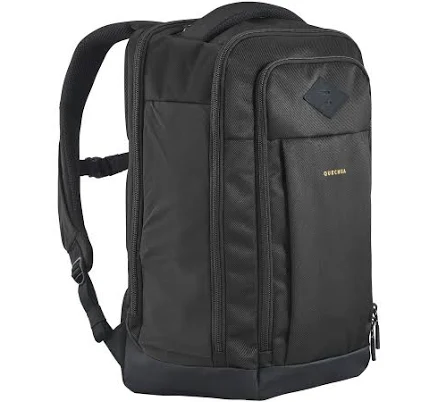
Decathlon · Waterproof Bags & Luggage
Decathlon Quechua Hiking Backpack 23L
Hiking backpack with unspecified water-repellent coating; PFAS risk unclear.
Quechua backpacks typically use polyester with water-repellent coating treatment, but Decathlon provides no public disclosure of PFAS content or coating chemistry. Most hiking gear uses water-repellent coating treatments historically containing PFAS with current status unknown.
The better-graded swap
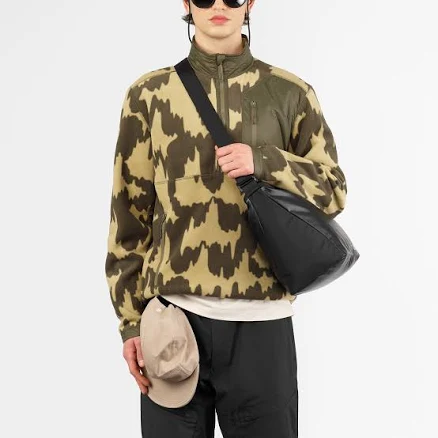
Salomon
Salomon Extended Totebag
85/100 safety
Same rubric that flunked this product. The swap earned Excellent.
Still want this one anyway? Check the price on Amazon. We’d swap it.
Material
polyester/nylon with water-repellent coating
Brand disclosure
Brand is silent on PFAS
Lab data
No public lab test
You may also be interested in
Top-graded picks in the categories readers replace first, every one scored on the same rubric.

- polypropylene filter housing, carbon/sediment cartridge
- We found no PFAS statement from the brand
- Bacterial growth in spent cartridges
3 hazards checked on this product, all on its full breakdown.

Aquasure
Premier Series 75 GPD Under Sink Reverse Osmosis Water Filtration System
- RO membrane, carbon filters, stainless steel housing
- We found no PFAS statement from the brand
- Bacterial and microbial growth in housing and filters
4 hazards checked on this product, all on its full breakdown.

Avocado
Vegan Mattress
- organic cotton, natural latex, coconut coir, recycled steel coils
- The brand calls it PFAS-free, which we have not verified
- Heavy metals
2 hazards checked on this product, all on its full breakdown.
What Decathlon Quechua Hiking Backpack 23L is made of, ingredients and materials
The Quechua 23L uses polyester and nylon fabrics, both synthetic polymers that are chemically stable during normal use. The water-repellent coating (water-repellent coating) coating is the material of concern, Decathlon has not publicly specified whether this coating uses fluorinated chemicals (which may contain PFAS) or fluorine-free alternatives. Polyester and nylon themselves do not off-gas formaldehyde or release significant volatile compounds under typical backpacking conditions, and antimony (sometimes used as a flame retardant in polyester) is not known to be present in this product.
What’s concerning
Category baseline
The starting point for this type of product, before anything specific to this product is counted.
No PFAS disclosure
No public statement from the brand about PFAS in this product.
Waterproof / stain-resistant treatment
Water-repellent coating treatments have historically used PFAS.
PFAS
Decathlon has not specified whether the water-repellent coating uses fluorinated (PFAS-containing) or fluorine-free formulations. The 20/100 PFAS grade reflects this uncertainty; many budget outdoor brands still use legacy PFAS-based water-repellent coating but this product has not been tested or recalled for PFAS content.
Source, ATSDR ↗Microplastic shedding during use and washing
All synthetic fiber textiles shed microplastics when washed; the Quechua 23L will release small amounts of nylon and polyester fibers, especially with machine washing. This is an inherent property of the material class, not a manufacturing defect specific to Decathlon.
What’s reassuring
Azo dyes in polyester/nylon fabric
No recalls or documented contamination of Quechua backpacks with banned azo dyes. Modern polyester fabric production in regulated supply chains typically screens for azo compounds; Decathlon is sold in EU markets with stricter dye standards.
Formaldehyde / VOCs
Polyester and nylon do not require formaldehyde finishing resins as cotton does. No credible reports of formaldehyde off-gassing from Quechua backpacks; this hazard is unlikely in synthetic-only packs.
Source, ATSDR ↗Heavy metals
No recalls or test reports documenting lead, cadmium, or chromium in this backpack. Standard polyester backpack dyes are unlikely to contain heavy metals in EU-sold products, though independent verification is absent.
Source, FDA ↗How is this PFAS grade calculated?
The brand's record and disclosure
Decathlon maintains a sustainability commitments page but does not publicly disclose water-repellent coating chemistry for this specific backpack model, nor does it provide PFAS-free certification. The brand has faced environmental scrutiny regarding microplastics and chemical transparency but has not had major product-specific safety recalls for textiles in the hiking category. Absence of disclosure is typical for budget outdoor brands and does not necessarily indicate use of legacy PFAS-heavy coatings, but it prevents independent verification.
How it compares in its category
Budget hiking backpacks at this price point ($30-50 range) rarely disclose water-repellent coating chemistry; most competitors (including store brands) are similarly non-transparent. Premium brands such as Patagonia and Osprey increasingly offer PFAS-free water-repellent coating options and publicize this, while mid-market brands remain silent. For a 23L daypack, the Quechua is broadly comparable in chemical risk profile to other mass-market nylon packs but offers less transparency than higher-priced alternatives.
If you buy it
Wash the backpack separately before first use to rinse out any residual dyes or finishes. Avoid excessive heat (machine drying, direct sunlight) which can degrade the water-repellent coating and potentially accelerate any leaching. The water-repellent coating will naturally wear down over 2-3 years of regular use; re-application with commercial water-repellent coating sprays (which may also contain PFAS) is optional and not necessary for function. Store in a dry place to prevent mold and bacterial growth in the fabric.
What is not known about PFAS in this product?
- Basis
- Model estimate, 35% confidence, not a lab result
- Lab test
- None on record for this exact product
- Brand statement
- Decathlon has made none
Formulations change between production runs, so check the current label. How we grade.
What are the PFAS-free alternatives to Decathlon Quechua Hiking Backpack 23L?
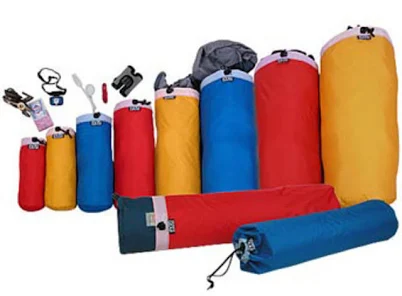
- Cordura nylon fabric
- We found no PFAS statement from the brand
- Heavy metals
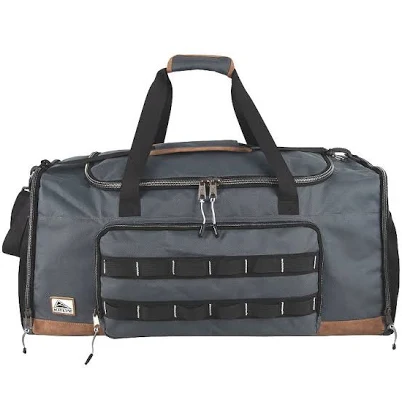
- Polyester webbing and nylon
- Azo dyes in polyester webbing
4 hazards checked on this product, all on its full breakdown.
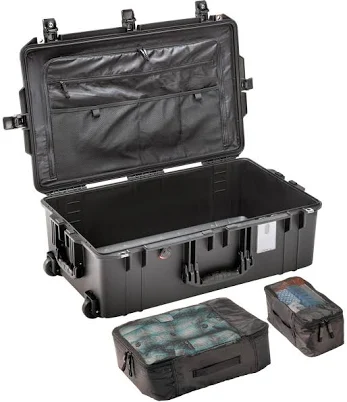
- Polypropylene shell, polyurethane foam, stainless steel hardware
- Polyurethane foam degradation and off-gassing
More waterproof bags & luggage grades
How we score, every product runs through the same public 0-100 rubric based on materials, coatings, brand disclosure, lab findings, and recalls. See the full methodology → Spotted a mistake? Report an error.