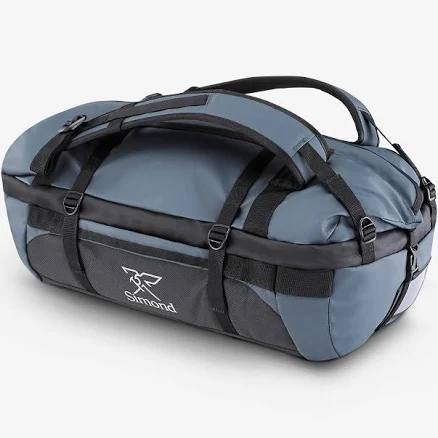
Decathlon · Waterproof Bags & Luggage
Simond 500 Extend Duffel Bag
Duffel bag probably has water-repellent coating treatment; Decathlon silent on PFAS.
Simond duffels use polyester or nylon with water-resistant finish, typical for travel bags. Decathlon does not disclose PFAS chemicals or treatments with exact water-repellent coating chemistry unknown, lowering confidence due to lack of transparency.
The better-graded swap
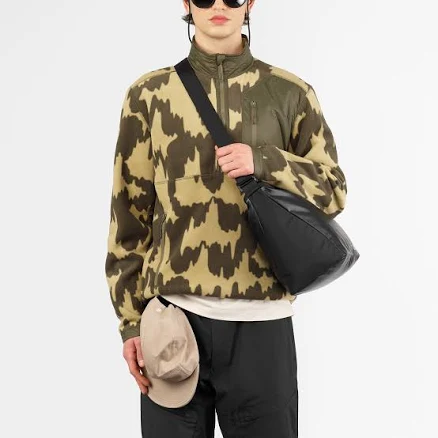
Salomon
Salomon Extended Totebag
85/100 safety
Same rubric that flunked this product. The swap earned Excellent.
Still want this one anyway? Check the price on Amazon. We’d swap it.
Material
Polyester/nylon with water-resistant coating
Brand disclosure
Brand is silent on PFAS
Lab data
No public lab test
You may also be interested in
Top-graded picks in the categories readers replace first, every one scored on the same rubric.

- polypropylene filter housing, carbon/sediment cartridge
- We found no PFAS statement from the brand
- Bacterial growth in spent cartridges
3 hazards checked on this product, all on its full breakdown.

Aquasure
Premier Series 75 GPD Under Sink Reverse Osmosis Water Filtration System
- RO membrane, carbon filters, stainless steel housing
- We found no PFAS statement from the brand
- Bacterial and microbial growth in housing and filters
4 hazards checked on this product, all on its full breakdown.

Avocado
Vegan Mattress
- organic cotton, natural latex, coconut coir, recycled steel coils
- The brand calls it PFAS-free, which we have not verified
- Heavy metals
2 hazards checked on this product, all on its full breakdown.
What Simond 500 Extend Duffel Bag is made of, ingredients and materials
The Simond 500 Extend is constructed from polyester and nylon with a water-resistant coating, standard for outdoor duffels. The coating is almost certainly a water-repellent coating (water-repellent coating) treatment, typically fluorochemical-based, to shed rain and moisture. Polyester and nylon themselves are stable when worn; the hazard profile centers on the coating's chemical composition and potential surface wear exposing the base fabric over time.
What’s concerning
Category baseline
The starting point for this type of product, before anything specific to this product is counted.
No PFAS disclosure
No public statement from the brand about PFAS in this product.
Waterproof / stain-resistant treatment
Water-repellent coating treatments have historically used PFAS.
PFAS
Polyester/nylon duffels with water-resistant finishes almost always contain fluorochemical water-repellent coating treatments. Decathlon does not disclose PFAS avoidance, making fluorinated coatings the presumed standard on this model.
Source, ATSDR ↗Azo dyes in polyester/nylon
Polyester and nylon fabrics may contain azo dyes, which can degrade to carcinogenic amines under extreme heat or sweat conditions. Decathlon does not publicly specify azo-dye restrictions for this duffel, though textile testing is not routine for luggage.
Antimony catalyst residue in polyester
Polyester is synthesized using antimony oxide as a catalyst; trace residues may remain in the fiber. Migration to skin is minimal during normal use, but not ruled out over prolonged contact or after degradation.
Microfiber shedding from coating wear
As the water-repellent coating degrades from washing, UV exposure, or abrasion, small particles may shed into the environment. This is a secondary environmental hazard rather than a direct-use safety issue.
What’s reassuring
Formaldehyde / VOCs
No evidence that Decathlon uses formaldehyde-based sizing or wrinkle-resistance treatments on this duffel. Standard duffels avoid such finishes, but formal certification is not published.
Source, ATSDR ↗How is this PFAS grade calculated?
The brand's record and disclosure
Decathlon does not publicly disclose PFAS use in water-resistant gear or commit to phasing fluorochemical DWRs. The brand emphasizes sustainability and eco-certifications (e.g., Global Organic Textile Standard compliance on some products), but this duffel carries no published guarantee of PFAS-free treatment. Decathlon has faced no major recalls or documented safety actions specific to water-repellent coating coatings on bags.
How it compares in its category
Most mainstream outdoor duffels from large retailers (Decathlon, REI, major sporting brands) use fluorochemical DWRs. Premium alternatives may use fluorine-free DWRs (like paraffin or silicone), though these are less durable and cost more. This product sits in the mid-market segment where fluorochemical coatings remain the norm; it is not an outlier in this hazard profile.
If you buy it
Avoid machine washing or heavy heat exposure, which can accelerate coating degradation and shed microfibers. Store in a cool, dry place away from prolonged direct sunlight to prolong the water-repellent coating's lifespan. Wash by hand with mild soap if needed; harsh detergents or high temperatures strip the coating. When the water-repellent property fades after years of use, consider disposal via textile recycling programs rather than landfill to minimize PFAS persistence in the environment.
What is not known about PFAS in this product?
- Basis
- Model estimate, 42% confidence, not a lab result
- Lab test
- None on record for this exact product
- Brand statement
- Decathlon has made none
Formulations change between production runs, so check the current label. How we grade.
What are the PFAS-free alternatives to Simond 500 Extend Duffel Bag?
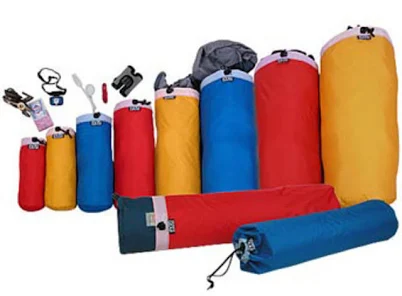
- Cordura nylon fabric
- We found no PFAS statement from the brand
- Heavy metals
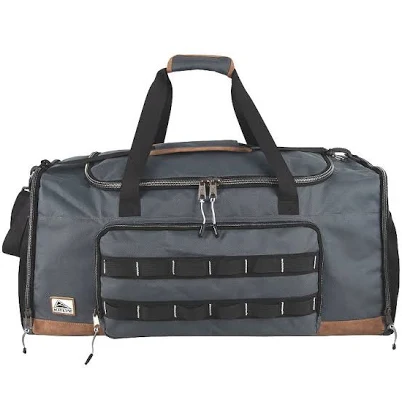
- Polyester webbing and nylon
- Azo dyes in polyester webbing
4 hazards checked on this product, all on its full breakdown.
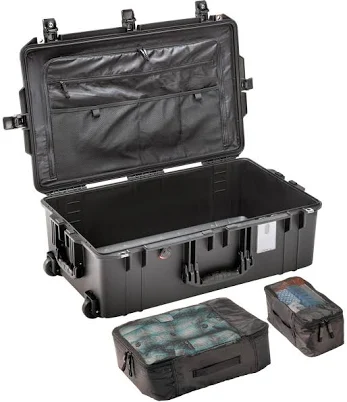
- Polypropylene shell, polyurethane foam, stainless steel hardware
- Polyurethane foam degradation and off-gassing
More waterproof bags & luggage grades
How we score, every product runs through the same public 0-100 rubric based on materials, coatings, brand disclosure, lab findings, and recalls. See the full methodology → Spotted a mistake? Report an error.