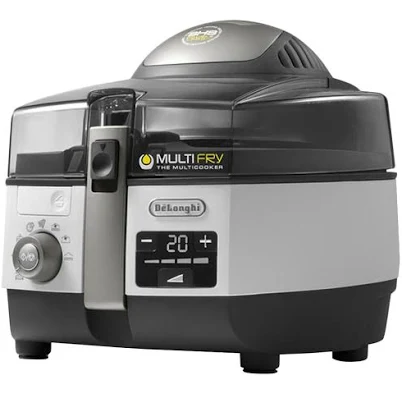
De'Longhi Delonghi Fh 1396 4l 1400w Air Fryer
Avoid until De'Longhi discloses the basket coating material.
De'Longhi hasn't publicly identified this air fryer basket's coating material or PFAS content. Most affordable air fryer non-stick coatings default to Teflon-type coating or other Teflon-family coating without third-party verification.
The better-graded swap
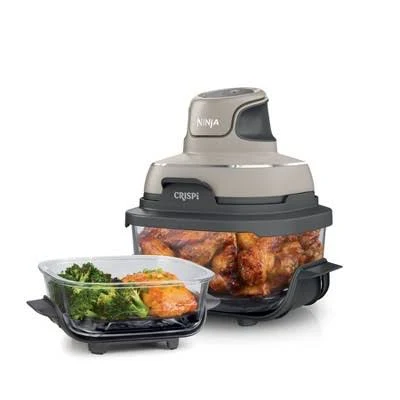
Ninja
Ninja Crispi 4-in-1 Portable Glass Air Fryer Cooking System
75/100 safety
Same rubric that flunked this product. The swap earned Excellent.
Still want this one anyway? Check the price on Amazon. We’d swap it.
Material
Non-stick coated cooking basket (composition unspecified)
Brand disclosure
Brand is silent on PFAS
Lab data
No public lab test
You may also be interested in
Top-graded picks in the categories readers replace first, every one scored on the same rubric.

- polypropylene filter housing, carbon/sediment cartridge
- We found no PFAS statement from the brand
- Bacterial growth in spent cartridges
3 hazards checked on this product, all on its full breakdown.

Aquasure
Premier Series 75 GPD Under Sink Reverse Osmosis Water Filtration System
- RO membrane, carbon filters, stainless steel housing
- We found no PFAS statement from the brand
- Bacterial and microbial growth in housing and filters
4 hazards checked on this product, all on its full breakdown.

Avocado
Vegan Mattress
- organic cotton, natural latex, coconut coir, recycled steel coils
- The brand calls it PFAS-free, which we have not verified
- Heavy metals
2 hazards checked on this product, all on its full breakdown.
What De'Longhi Delonghi Fh 1396 1400w Air Fryer is made of, ingredients and materials
The FH1396 uses a non-stick coated cooking basket, but De'Longhi has not publicly disclosed whether the coating is Teflon-type coating-based (traditional Teflon), ceramic, or another polymer. The heating element reaches 1400W at temperatures typical for air frying (350-400°F / 175-200°C), which is below the fume-risk threshold for most Teflon-type coating coatings but still warrants certainty about the exact material. Without specification, you cannot verify whether the basket contains older formulations or newer alternatives.
What’s concerning
Category baseline
The starting point for this type of product, before anything specific to this product is counted.
No PFAS disclosure
No public statement from the brand about PFAS in this product.
Non-stick, chemistry undisclosed
Marketed as non-stick without stating the coating chemistry.
Teflon-type coating non-stick coating fume risk
Coating type is unspecified. If Teflon-type coating-based, heating above 500°F releases fumes; the FH1396's operating range (up to ~400°F) presents lower concern for this hazard, but accidental overheating or malfunction could pose risk. Absence of material disclosure prevents definitive hazard ruling.
Non-stick coating degradation and microparticle release
User reports on this and similar De'Longhi models describe visible flaking or discoloration of the basket coating after months of use, particularly with abrasive cleaning. Ingestion of coating microparticles is not proven harmful, but degradation is a quality and safety signal.
Aluminum or steel substrate leaching (if unlined)
Basket substrate material is not specified; if aluminum is used beneath the non-stick layer and coating fails, acidic or salty foods may accelerate substrate leaching. No documented case reported for this model, but typical risk in budget air fryers with unspecified materials.
Coating loss of non-stick function without replacement pathway
De'Longhi does not widely advertise replacement basket availability for budget models like the FH1396, forcing consumers to replace entire units or discontinue use. This creates waste and incentive to use damaged baskets longer than recommended.
What’s reassuring
Inadequate ventilation or VOC off-gassing from heating elements
No specific off-gassing data available for this model. Air fryers operate with enclosed heating; ventilation design prevents accumulation of low-level VOCs from resistive heating elements, but design specs are not published for the FH1396.
How is this PFAS grade calculated?
The brand's record and disclosure
De'Longhi has not published material safety data sheets or chemical composition statements for this model's basket coating in publicly available consumer documentation. The brand maintains no publicly known PFAS-free certification or disclosure policy comparable to some competitors. No recalls or safety warnings specific to this model have been issued by regulatory agencies (FDA, CPSC), but the absence of transparency on non-stick formulation is a red flag for informed purchasing.
How it compares in its category
Most mid-range air fryers use either Teflon-type coating non-stick, ceramic, or hybrid coatings; the FH1396 sits in the budget-to-mid segment where coating transparency is inconsistent across brands. Competitors like Cosori and Ninja have begun disclosing non-stick materials or offering ceramic alternatives; De'Longhi's silence puts this unit behind in consumer transparency. Price point suggests cost-driven manufacturing, which historically correlates with less-disclosed formulations.
If you buy it
Never exceed 400°F / 204°C to minimize any fume risk from the non-stick coating; most air frying occurs well below this. Hand-wash the basket with soft cloths or sponges to avoid coating damage, which accelerates microparticle shedding and leaching. Replace the basket if visible peeling, discoloration, or flaking develops; do not continue using a compromised non-stick surface. Request coating composition from De'Longhi customer service before purchase if PFAS status is a dealbreaker for you.
What is not known about PFAS in this product?
- Basis
- Model estimate, 35% confidence, not a lab result
- Lab test
- None on record for this exact product
- Brand statement
- Delonghi has made none
Formulations change between production runs, so check the current label. How we grade.
What are the PFAS-free alternatives to De'Longhi Delonghi Fh 1396 4l 1400w Air Fryer?
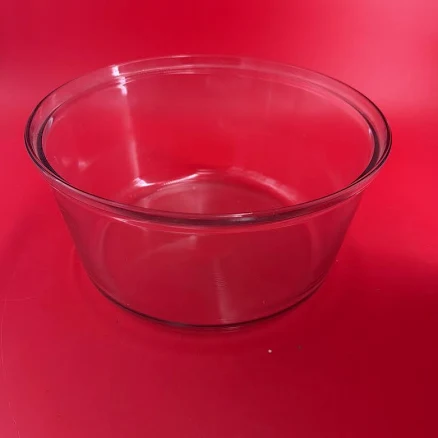
- borosilicate glass, bare uncoated
- We found no PFAS statement from the brand
- Thermal shock and fracture
2 hazards checked on this product, all on its full breakdown.
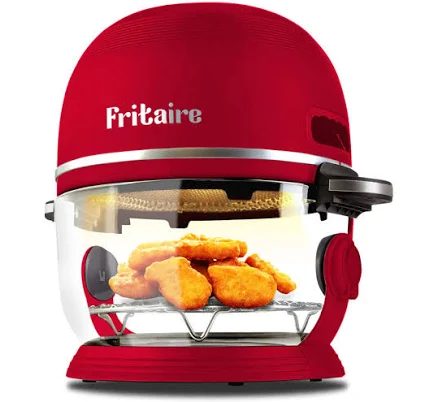
- borosilicate glass
- We found no PFAS statement from the brand
- Aluminum leaching from base/housing
4 hazards checked on this product, all on its full breakdown.
Find an alternative on Amazon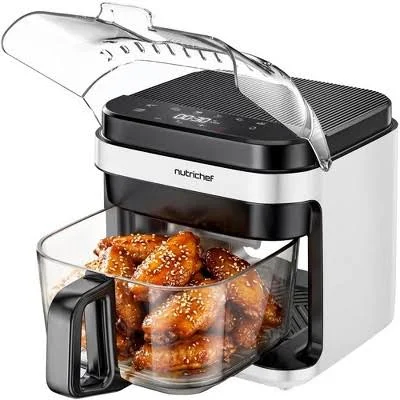
- glass bowl, stainless steel exterior
- We found no PFAS statement from the brand
- Thermal stress and glass breakage
2 hazards checked on this product, all on its full breakdown.
Find an alternative on AmazonMore air fryers grades
How we score, every product runs through the same public 0-100 rubric based on materials, coatings, brand disclosure, lab findings, and recalls. See the full methodology → Spotted a mistake? Report an error.