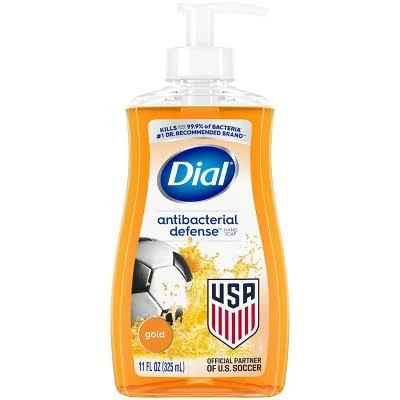
Dial Antibacterial Liquid Hand Soap
Low concern; standard liquid hand soap shows no known PFAS indicators, but no third-party verification.
This simple aqueous formulation uses no nonstick coatings, waterproofing, or stain resistance treatments, the primary PFAS vectors in consumer products. Dial makes no PFAS claim and holds no third-party certifications.
We flunk more products than we pass. This one earned its grade. How we grade
Material
aqueous liquid soap base (surfactants, glycerin, water)
Brand disclosure
Brand is silent on PFAS
Lab data
No public lab test
You may also be interested in
Top-graded picks in the categories readers replace first, every one scored on the same rubric.

- polypropylene filter housing, carbon/sediment cartridge
- We found no PFAS statement from the brand
- Bacterial growth in spent cartridges
3 hazards checked on this product, all on its full breakdown.

Aquasure
Premier Series 75 GPD Under Sink Reverse Osmosis Water Filtration System
- RO membrane, carbon filters, stainless steel housing
- We found no PFAS statement from the brand
- Bacterial and microbial growth in housing and filters
4 hazards checked on this product, all on its full breakdown.

Avocado
Vegan Mattress
- organic cotton, natural latex, coconut coir, recycled steel coils
- The brand calls it PFAS-free, which we have not verified
- Heavy metals
2 hazards checked on this product, all on its full breakdown.
What Dial Antibacterial Liquid Hand Soap is made of, ingredients and materials
Dial Antibacterial Liquid Hand Soap is a water-based formulation built on anionic and noniionic surfactants (cleaning agents), glycerin (humectant), and antimicrobial actives, typically triclosan or triclocarban in older formulations or benzalkonium chloride in reformulated versions. The aqueous base means no volatile organic compounds (VOCs) are released during use, and the surfactants are readily biodegradable. Glycerin presence reduces skin drying compared to harsher soaps, though this is a minor benefit in routine handwashing.
What’s concerning
Category baseline
The starting point for this type of product, before anything specific to this product is counted.
No PFAS disclosure
No public statement from the brand about PFAS in this product.
Fragrance allergens and sensitizers
Dial Antibacterial contains fragrance (not fully itemized on label), which may trigger contact dermatitis or respiratory sensitivity in susceptible individuals. Specific fragrance components are proprietary and not disclosed.
Antimicrobial residue and skin colonization
Use of antimicrobial agents in hand soap has been associated with development of resistant microbes and potential disruption of normal skin flora with frequent, prolonged use. FDA restrictions on triclosan reflect this concern, though modern replacements (benzalkonium chloride) carry lower but unresolved long-term risk.
Aquatic toxicity and environmental persistence
Older Dial formulations with triclosan posed documented aquatic ecosystem risk; current formulations are improved but not independently verified. Disposal in municipal wastewater occurs routinely with no documented consumer harm.
What’s reassuring
Base material not linked to PFAS
The main material recorded for this product is not one associated with PFAS.
Colorants and synthetic dyes
Dial Antibacterial includes dyes for product appearance. No heavy metal contamination or azo dye concerns are documented for this brand, and colorants in rinse-off products pose minimal systemic exposure.
1,4-dioxane contamination
Aqueous liquid soaps can theoretically contain trace 1,4-dioxane from surfactant manufacturing processes, but no recalls or published testing data identify this in Dial products. Risk is negligible given rinse-off nature of use.
How is this PFAS grade calculated?
The brand's record and disclosure
Dial (Henkel subsidiary) does not publish detailed ingredient sourcing or third-party safety certifications on this product line. The brand reformulated away from triclosan in 2016 following FDA antimicrobial ingredient restrictions, moving to alternative actives. No significant recalls or disclosed contamination events are on record for Dial liquid hand soap. Transparency on heavy metal testing or fragrance allergen disclosure is limited compared to premium or natural brands.
How it compares in its category
Dial Antibacterial sits in the mid-tier mass-market segment. It is chemically simpler and lower-cost than premium soaps but less transparent than certified natural or dermatologist-branded alternatives (e.g., Cetaphil, CeraVe). The antimicrobial claim adds processing cost but provides no documented health advantage over plain soap for routine handwashing; plain soap is equally effective for most use cases. Fragrance and colorants present in this product exceed what unscented medical-grade soaps contain.
If you buy it
Use at room temperature; no storage concerns exist for liquid soap in sealed containers. Check the ingredient list for triclosan only if purchasing older stock; current formulations have phased this out. Standard soap does not require replacement triggers beyond emptying; liquid soaps remain stable for 2-3 years unopened. For frequent handwashers or those with sensitive skin, unscented or dermatologist-approved alternatives may reduce irritation.
What is not known about PFAS in this product?
- Basis
- Model estimate, 72% confidence, not a lab result
- Lab test
- None on record for this exact product
- Brand statement
- Dial has made none
Formulations change between production runs, so check the current label. How we grade.
What are the PFAS-free alternatives to Dial Antibacterial Liquid Hand Soap?
- soluble tablet, plant-based surfactants
- A third party reports verifying it as PFAS-free
- Fragrance allergens and sensitizers
2 hazards checked on this product, all on its full breakdown.
- water, plant oils, potassium hydroxide
- We found no PFAS statement from the brand
- Fragrance allergens (peppermint essential oil)
- Glycerin, water, plant oils, lavender fragrance
- We found no PFAS statement from the brand
- Fragrance allergens (lavender fragrance)
2 hazards checked on this product, all on its full breakdown.
More hand soap grades
How we score, every product runs through the same public 0-100 rubric based on materials, coatings, brand disclosure, lab findings, and recalls. See the full methodology → Spotted a mistake? Report an error.