Dickies · Stain-Resistant Professional Workwear
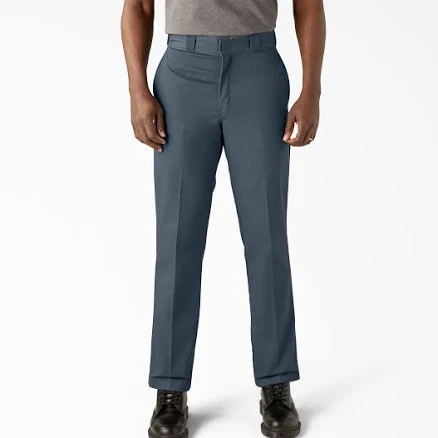
Dickies Men's Original 874 Work Pants - Airforce Blue 31
Lower PFAS concern for untreated cotton work pants.
Dickies 874 Original Work Pants are 100% cotton twill with no water or stain-resistant treatment, making PFAS exposure unlikely. Standard cotton workwear poses minimal chemical risk.
Still want this one anyway? Check the price on Amazon. We’d swap it.
Material
100% cotton twill, no water-resistant treatment
Brand disclosure
Brand is silent on PFAS
Lab data
No public lab test
What Dickies Men's Original 874 Work Pants is made of, ingredients and materials
The 874 is constructed from 100% cotton twill, a densely woven fabric that relies on fiber structure rather than chemical coatings for durability. Cotton twill contains no Teflon-type coating (Teflon), PU membranes, or inherent flame retardants because this is untreated base textile. The absence of water-resistant treatments means no fluorinated compounds or silicone polymers are intentionally applied to the garment, reducing synthetic chemical exposure during wear.
What’s concerning
Category baseline
The starting point for this type of product, before anything specific to this product is counted.
No PFAS disclosure
No public statement from the brand about PFAS in this product.
Azo dyes and unfixed dye residues
Airforce blue cotton twill may use azo-class or reactive dyes; unfixed dye can transfer to skin or wash water in early wears. Dickies does not specify dye chemistry, so presence of restricted azo compounds (banned in EU textiles) cannot be ruled out for US-market stock.
Formaldehyde / VOCs
Manufacturing cotton twill often involves formaldehyde-based sizing and crease-retention finishes to improve workability. Post-manufacturing wash removes most, but trace residues may persist. Plain cotton without performance claims typically has lower formaldehyde loading than durable-press or water-resistant treated textiles.
Source, ATSDR ↗What’s reassuring
Base material not linked to PFAS
The main material recorded for this product is not one associated with PFAS.
Heavy metals
Indigo-class dyes used for traditional blue workwear are generally low in heavy metal contaminants, though older manufacturing practices sometimes included cadmium or lead. No public recalls or testing data specific to Dickies 874 blue pants; modern suppliers typically test for these under standard textile compliance.
Source, FDA ↗Microplastics
100% natural cotton does not shed microplastics during wear or washing. This is a material advantage over polyester or blended synthetic workwear, which sheds synthetic fibers into laundry water and the environment.
Source, EPA ↗Antimony in thread or fasteners
Antimony is primarily a concern in polyester textiles; cotton twill uses conventional metal zippers and cotton-wrapped polyester thread. No established antimony-specific hazard in standard Dickies workwear construction.
The full breakdown
The brand's record and disclosure
Dickies does not publicly disclose detailed chemical composition or PFAS testing for individual products, and makes no special claims around restricted substances on the 874. The brand has not faced major recalls or public health controversies tied to chemical contamination in basic cotton workwear. Dickies maintains basic compliance with US textile labeling standards but does not pursue third-party certifications like OEKO-TEX or Bluesign for this mainstream product line.
How it compares in its category
Untreated cotton twill workpants are among the lowest-risk textiles from a chemical standpoint compared to water-resistant treated trousers or blended synthetics. Most competing workwear in this price tier (Carhartt, Wrangler) uses similar plain cotton or cotton-polyester blends without special treatments. The trade-off is zero water repellency and faster wear in harsh conditions, but this reduces chemical loading relative to performance-enhanced alternatives.
If you buy it
Wash new pants before wearing to remove residual dyes and finish chemicals from manufacturing; this is standard practice for all new textiles. Avoid chlorine bleach, which can degrade cotton fiber and concentrate dye residues; use oxygen-based cleaners if needed. Inspect waistband and seams periodically for wear since twill will eventually fray without special finishing. Store in a dry location to prevent mildew, which poses greater health risk than the garment chemistry itself.
What we don’t know
- Basis
- Model estimate, 72% confidence, not a lab result
- Lab test
- None on record for this exact product
- Brand statement
- Dickies has made none
Formulations change between production runs, so check the current label. How we grade.
More stain-resistant professional workwear grades
How we score, every product runs through the same public 0-100 rubric based on materials, coatings, brand disclosure, lab findings, and recalls. See the full methodology → Spotted a mistake? Report an error.