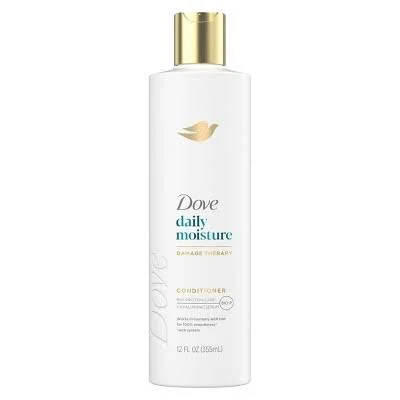
Dove Conditioner Daily Moisture
Lower concern. Rinse-off cosmetic with no known PFAS driver.
Rinse-off hair product with no coating, waterproofing, or water-repellency function that would draw PFAS into cosmetics. Dove hasn't publicly disclosed or certified PFAS-free status, though the product category carries lower inherent risk than leave-on cosmetics.
We flunk more products than we pass. This one earned its grade. How we grade
Material
water-based conditioner with surfactants, emollients, and preservatives
Lab data
No public lab test
You may also be interested in
Top-graded picks in the categories readers replace first, every one scored on the same rubric.

- polypropylene filter housing, carbon/sediment cartridge
- We found no PFAS statement from the brand
- Bacterial growth in spent cartridges
3 hazards checked on this product, all on its full breakdown.

Aquasure
Premier Series 75 GPD Under Sink Reverse Osmosis Water Filtration System
- RO membrane, carbon filters, stainless steel housing
- We found no PFAS statement from the brand
- Bacterial and microbial growth in housing and filters
4 hazards checked on this product, all on its full breakdown.

Avocado
Vegan Mattress
- organic cotton, natural latex, coconut coir, recycled steel coils
- The brand calls it PFAS-free, which we have not verified
- Heavy metals
2 hazards checked on this product, all on its full breakdown.
What Dove Conditioner Daily Moisture is made of, ingredients and materials
Dove Daily Moisture Conditioner is a water-based formulation with anionic and nonionic surfactants, emollients (likely silicones or plant oils), glycerin, and preservative systems. As a rinse-off product, contact time with skin is brief and most ingredients are designed to wash away, reducing systemic absorption risk. The formula does not contain known high-hazard cosmetic ingredients such as lead-based colorants, talc, or 1,4-dioxane as primary components.
What’s concerning
Category baseline
The starting point for this type of product, before anything specific to this product is counted.
No PFAS disclosure
No public statement from the brand about PFAS in this product.
Preservative allergens and contact dermatitis
Dove conditioners typically contain methylisothiazolinone (MI) or parabens to prevent bacterial growth. While preservatives are necessary and regulated, a small subset of consumers report scalp irritation or allergic contact dermatitis. No recalls are on record, but individual sensitivity varies.
Fragrance allergens (undisclosed components)
Dove adds fragrance compounds that are not itemized on the label due to trade secret protection. Common fragrance allergens such as limonene or geraniol may trigger reactions in sensitive individuals. This is standard in cosmetics but represents a disclosure gap.
Silicone or siloxane accumulation
Many Dove conditioners contain cyclic siloxanes (e.g., cyclotetrasiloxane) as conditioning agents. Repeated use without clarifying shampoo can lead to buildup on hair; no systemic toxicity is established at cosmetic exposure levels, but scalp irritation from accumulation is reported anecdotally.
What’s reassuring
Base material not linked to PFAS
The main material recorded for this product is not one associated with PFAS.
Heavy metals
Dove Daily Moisture Conditioner contains synthetic colorants (likely FD&C or CI dyes) approved by FDA. No documented contamination with lead, cadmium, or arsenic in Dove products; cosmetic-grade dyes are regulated for heavy metal content.
Source, FDA ↗Bacterial or fungal contamination during use
As a rinse-off water-based product with preservative systems, Dove conditioner is formulated to resist microbial growth. Risk of contamination is low if stored properly and container is not exposed to prolonged moisture or temperature extremes. Standard cosmetic hygiene applies.
How is this PFAS grade calculated?
The brand's record and disclosure
Dove is owned by Unilever and has established safety compliance with FDA and EU cosmetics regulations. The brand does not publicly disclose PFAS testing or ingredient-level transparency beyond standard regulatory compliance. No major recalls or safety controversies specific to Dove conditioners are on record in the past decade. Unilever has committed to phase-out of certain legacy flame retardants in some product lines, but Dove conditioners are not a primary focus of those disclosures.
How it compares in its category
Dove conditioners sit in the mainstream mass-market segment with safety profiles typical of major brands. Competitor brands like Pantene, Aussie, and SheaMoisture use comparable surfactant and emollient chemistries. Dove does not market organic or allergen-free variants like some premium or natural brands, so it occupies middle ground for ingredient scrutiny. No published data suggests Dove conditioners carry higher contamination or hazard levels than category peers.
If you buy it
Apply to damp hair, leave on for 1-2 minutes, then rinse thoroughly to minimize residue buildup. Store in a cool, dry place away from direct sunlight to preserve preservative efficacy and prevent microbial growth. No special safety precautions needed beyond standard cosmetic use; avoid contact with eyes and discontinue if irritation develops. Replace every 6-12 months or when product separates, thickens abnormally, or develops odor.
What is not known about PFAS in this product?
- Basis
- Model estimate, 82% confidence, not a lab result
- Lab test
- None on record for this exact product
- Brand statement
- Dove has made a specific claim
Formulations change between production runs, so check the current label. How we grade.
What are the PFAS-free alternatives to Dove Conditioner Daily Moisture?
- Water, conditioning agents, organic plant extracts
- We found no PFAS statement from the brand
- Heavy metals
3 hazards checked on this product, all on its full breakdown.
- water-based conditioner, typical surfactants and botanical extracts
- We found no PFAS statement from the brand
- Heavy metals
3 hazards checked on this product, all on its full breakdown.
More conditioner grades
How we score, every product runs through the same public 0-100 rubric based on materials, coatings, brand disclosure, lab findings, and recalls. See the full methodology → Spotted a mistake? Report an error.