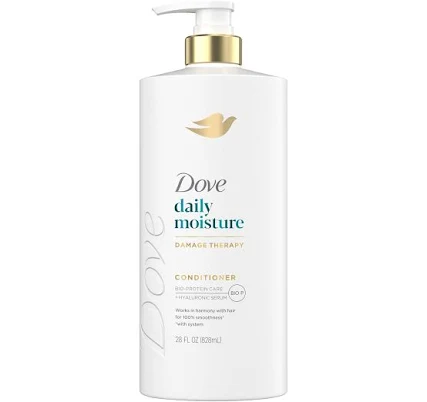
Dove Conditioner for Dry Hair
Lower concern. Liquid conditioner formulas have no known PFAS triggers.
Rinse-off cosmetic with water-soluble polymers and silicones rather than fluorinated compounds, and no waterproofing or grease-resistance features. Dove makes no explicit PFAS claim, but the product category and ingredients present no red flags.
We flunk more products than we pass. This one earned its grade. How we grade
Material
aqueous conditioner (water, silicones, emollients, polymers)
Lab data
No public lab test
You may also be interested in
Top-graded picks in the categories readers replace first, every one scored on the same rubric.

- polypropylene filter housing, carbon/sediment cartridge
- We found no PFAS statement from the brand
- Bacterial growth in spent cartridges
3 hazards checked on this product, all on its full breakdown.

Aquasure
Premier Series 75 GPD Under Sink Reverse Osmosis Water Filtration System
- RO membrane, carbon filters, stainless steel housing
- We found no PFAS statement from the brand
- Bacterial and microbial growth in housing and filters
4 hazards checked on this product, all on its full breakdown.

Avocado
Vegan Mattress
- organic cotton, natural latex, coconut coir, recycled steel coils
- The brand calls it PFAS-free, which we have not verified
- Heavy metals
2 hazards checked on this product, all on its full breakdown.
What Dove Conditioner for Dry Hair is made of, ingredients and materials
Dove dry-hair conditioner is an aqueous emulsion of water, silicones (dimethicone), fatty alcohols, and polymeric conditioning agents. These ingredients are standard in rinse-off conditioners and designed to coat and smooth the hair shaft without systemic absorption. The formula contains no known sensitizers or irritants at typical use levels, and silicones wash out completely with shampoo, leaving no persistent residue.
What’s concerning
Category baseline
The starting point for this type of product, before anything specific to this product is counted.
No PFAS disclosure
No public statement from the brand about PFAS in this product.
Fragrance allergens
Dove conditioner contains fragrance (parfum), which is a complex mixture. Individual components are not disclosed; some users with sensitive skin or fragrance sensitivities may experience contact dermatitis or scalp irritation, though incidence is low in this mass-market formula.
Silicone buildup over extended use
Silicones in conditioners can accumulate on hair if not clarified periodically with chelating or sulfate-containing shampoos. This is a cosmetic issue (dullness, limp hair), not a toxicological hazard, but some users may prefer silicone-free alternatives for long-term use.
What’s reassuring
Base material not linked to PFAS
The main material recorded for this product is not one associated with PFAS.
1,4-dioxane (synthetic byproduct)
No public testing or recalls of Dove conditioner for 1,4-dioxane contamination. This byproduct can form during manufacture of ethoxylated ingredients, but reputable brands use validated supplier standards to minimize it; no credible evidence of concern in this product.
Heavy metals
Dove conditioner uses certified colorants and preservatives typical of mass-market cosmetics. No recalls or third-party testing have flagged lead, cadmium, or arsenic in this product; regulatory oversight in the US and EU applies to all cosmetic manufacturers.
Source, FDA ↗Microplastic shedding
Dove conditioner is a liquid emulsion without intentional microplastic particles. The polymeric conditioning agents (e.g., acrylates) are soluble in water and do not shed as microplastics during rinse.
How is this PFAS grade calculated?
The brand's record and disclosure
Dove (Unilever) publishes ingredient lists openly and has no documented recalls related to chemical contamination in conditioners. The brand does not prominently advertise PFAS testing or avoidance, but liquid conditioner formulas rarely require intentional PFAS additions. Dove has faced criticism on broader sustainability and packaging issues, but no credible safety controversies specific to this product exist in public records.
How it compares in its category
Dove conditioner sits in the mass-market segment and is formulated similarly to Pantene, Garnier, and store-label conditioners, silicone-based, stable, and widely tested. It does not claim premium or clinical-grade status, so it avoids some niche ingredients (e.g., keratin proteins, exotic oils) that occasionally trigger allergies. Overall chemical profile is conventional and well-tolerated by most users.
If you buy it
Use on damp hair after shampooing, leave on 1-3 minutes, then rinse thoroughly. Store at room temperature away from direct heat or sunlight to prevent emulsion breakdown (though this is cosmetic, not a safety concern). Replace when product separates visibly or smell changes; unopened shelf life is typically 3 years. Discontinue if scalp or skin irritation develops and switch products to identify the trigger.
What is not known about PFAS in this product?
- Basis
- Model estimate, 82% confidence, not a lab result
- Lab test
- None on record for this exact product
- Brand statement
- Dove has made a specific claim
Formulations change between production runs, so check the current label. How we grade.
What are the PFAS-free alternatives to Dove Conditioner for Dry Hair?
- Water, conditioning agents, organic plant extracts
- We found no PFAS statement from the brand
- Heavy metals
3 hazards checked on this product, all on its full breakdown.
- water-based conditioner, typical surfactants and botanical extracts
- We found no PFAS statement from the brand
- Heavy metals
3 hazards checked on this product, all on its full breakdown.
More conditioner grades
How we score, every product runs through the same public 0-100 rubric based on materials, coatings, brand disclosure, lab findings, and recalls. See the full methodology → Spotted a mistake? Report an error.