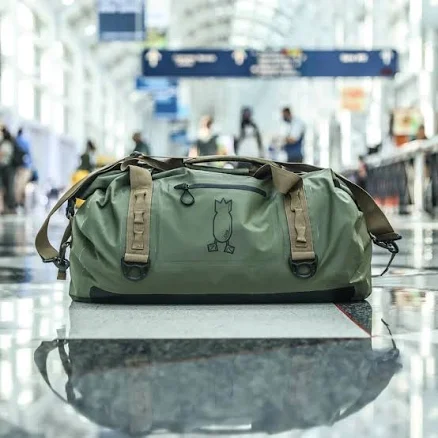
Waterproof Duffel Bag
Skip until brand discloses coating chemistry or certifications.
Waterproof duffel bags typically use water-repellent coating coatings that may contain PFAS. Dry Bag Co. provides no material or chemical transparency.
The better-graded swap
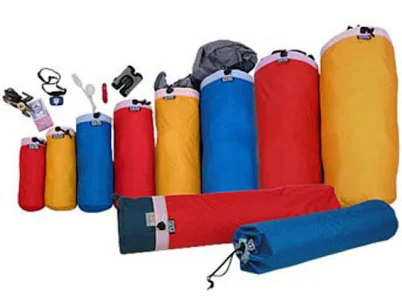
Granite Gear
Granite Gear ToughSack Assorted Colors
85/100 safety
Same rubric that flunked this product. The swap earned Excellent.
Still want this one anyway? Check the price on Amazon. We’d swap it.
Material
Fabric with unspecified waterproof coating
Brand disclosure
Brand is silent on PFAS
Lab data
No public lab test
You may also be interested in
Top-graded picks in the categories readers replace first, every one scored on the same rubric.

- polypropylene filter housing, carbon/sediment cartridge
- We found no PFAS statement from the brand
- Bacterial growth in spent cartridges
3 hazards checked on this product, all on its full breakdown.

Aquasure
Premier Series 75 GPD Under Sink Reverse Osmosis Water Filtration System
- RO membrane, carbon filters, stainless steel housing
- We found no PFAS statement from the brand
- Bacterial and microbial growth in housing and filters
4 hazards checked on this product, all on its full breakdown.

Avocado
Vegan Mattress
- organic cotton, natural latex, coconut coir, recycled steel coils
- The brand calls it PFAS-free, which we have not verified
- Heavy metals
2 hazards checked on this product, all on its full breakdown.
What Waterproof Duffel Bag is made of, ingredients and materials
Dry Bag Co. duffel uses fabric with an unspecified waterproof coating. Most waterproof fabrics rely on either polyurethane (PU), silicone, wax, or fluorocarbon treatments. Fluorocarbon coatings are effective water repellents but often contain legacy PFAS or PFAS replacements that leach slowly into contact materials and sweat. Without disclosure from the brand, the actual chemistry remains opaque, making full risk assessment impossible.
What’s concerning
Category baseline
The starting point for this type of product, before anything specific to this product is counted.
No PFAS disclosure
No public statement from the brand about PFAS in this product.
Waterproof / stain-resistant treatment
Water-repellent coating treatments have historically used PFAS.
PFAS
Unspecified waterproof coating likely contains fluorocarbons or PFAS-based compounds; direct skin contact and sweat exposure over time may result in slow dermal absorption. Risk tier reflects lack of brand disclosure rather than confirmed contamination.
Source, ATSDR ↗Coating degradation and microplastic shedding
Repeated washing, UV exposure, or mechanical wear of waterproof coatings can shed microscopic polymer fragments into sweat, water, or contact surfaces. Dry Bag Co. does not specify coating durability or replacement guidance.
Volatile organic compound (VOC) off-gassing
Waterproof polyurethane or solvent-applied coatings may emit low levels of solvents or catalysts during manufacturing and early use, particularly in warm or enclosed spaces. Off-gassing typically diminishes within days to weeks but is not quantified for this product.
Mold and bacterial growth from moisture retention
Waterproof coatings can trap moisture inside the bag if ventilation is poor, creating conditions for mold or odor-causing bacteria. Proper drying and periodic airing are essential to mitigate this non-chemical hazard.
What’s reassuring
Fabric treatment chemical residues
Base fabric may carry formaldehyde resins or azo dyes if not specified as natural fiber or organically grown. No documentation available for Dry Bag Co. duffels; assume standard textile processing unless certified otherwise.
How is this PFAS grade calculated?
The brand's record and disclosure
Dry Bag Co. has not publicly disclosed the waterproof coating chemistry, certifications (such as bluesign, Cradle to Cradle, or OEKO-TEX), or any commitment to PFAS-free alternatives. No recall history or contamination incidents are publicly documented for this brand. The silence on coating composition is a significant red flag in an industry where responsible manufacturers increasingly specify non-fluorinated options or third-party test results.
How it compares in its category
Most commercial waterproof duffels use fluorocarbon or polyurethane coatings; some premium brands (e.g., Patagonia) have begun phasing to PU-only or wax-coated natural fabrics with full disclosure. Dry Bag Co. sits in the middle of the market without transparency, making it harder to compare to either budget (often untested) or eco-certified peers. Price and warranty information would help contextualize the risk-benefit, but are not provided here.
If you buy it
Avoid prolonged skin contact, especially if damp or warm (promotes leaching). Do not store food or cosmetics inside without a sealed inner container. Wipe exterior with a damp cloth rather than machine washing, which may degrade the coating and release particles. Before purchase, contact the brand directly and request the Safety Data Sheet (SDS) for the waterproofing agent; silence after 2 weeks is a valid reason to choose a competitor.
What is not known about PFAS in this product?
- Basis
- Model estimate, 35% confidence, not a lab result
- Lab test
- None on record for this exact product
- Brand statement
- has made none
Formulations change between production runs, so check the current label. How we grade.
What are the PFAS-free alternatives to Waterproof Duffel Bag?
- Cordura nylon fabric
- We found no PFAS statement from the brand
- Heavy metals
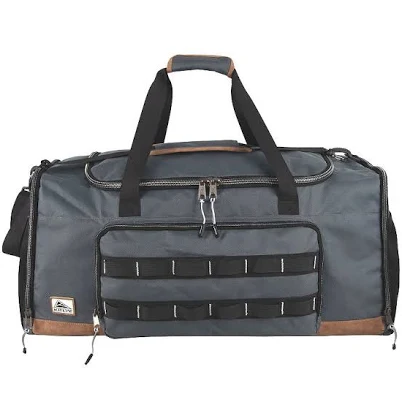
- Polyester webbing and nylon
- Azo dyes in polyester webbing
4 hazards checked on this product, all on its full breakdown.
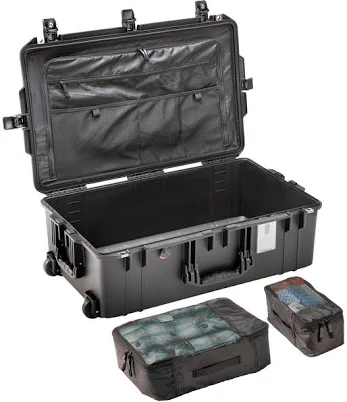
- Polypropylene shell, polyurethane foam, stainless steel hardware
- Polyurethane foam degradation and off-gassing
More waterproof bags & luggage grades
How we score, every product runs through the same public 0-100 rubric based on materials, coatings, brand disclosure, lab findings, and recalls. See the full methodology → Spotted a mistake? Report an error.