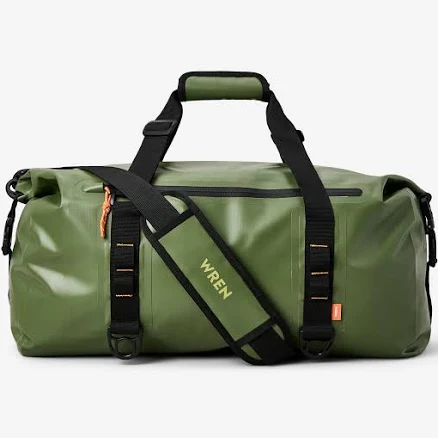
Wren Dry Bag Duffel
Skip until brand discloses waterproof treatment chemistry.
Dry bag duffels require water-resistant coatings, traditionally PFAS-based. Dry Bag Co. shares no public disclosure of coating type or PFAS status.
The better-graded swap
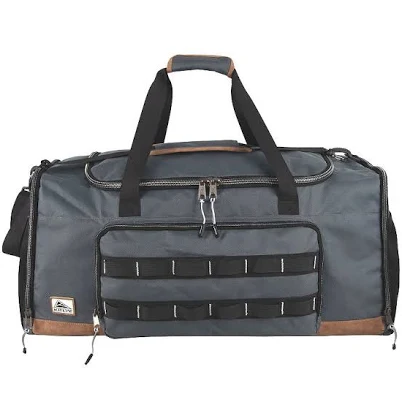
Kelty
Kelty Daisy Chain Web Duffel Bag
85/100 safety
Same rubric that flunked this product. The swap earned Excellent.
Still want this one anyway? Check the price on Amazon. We’d swap it.
Material
Fabric with waterproof coating, type unspecified
Brand disclosure
Brand is silent on PFAS
Lab data
No public lab test
You may also be interested in
Top-graded picks in the categories readers replace first, every one scored on the same rubric.

- polypropylene filter housing, carbon/sediment cartridge
- We found no PFAS statement from the brand
- Bacterial growth in spent cartridges
3 hazards checked on this product, all on its full breakdown.

Aquasure
Premier Series 75 GPD Under Sink Reverse Osmosis Water Filtration System
- RO membrane, carbon filters, stainless steel housing
- We found no PFAS statement from the brand
- Bacterial and microbial growth in housing and filters
4 hazards checked on this product, all on its full breakdown.

Avocado
Vegan Mattress
- organic cotton, natural latex, coconut coir, recycled steel coils
- The brand calls it PFAS-free, which we have not verified
- Heavy metals
2 hazards checked on this product, all on its full breakdown.
What Wren Dry Bag Duffel is made of, ingredients and materials
The Wren Dry Bag Duffel uses fabric with an unspecified waterproof coating. Waterproof coatings on textiles are typically achieved via PFAS-based treatments (like Teflon-type coating or water-repellent coating finishes) or less common non-fluorinated alternatives; without manufacturer disclosure, the chemistry is unclear. The coating's durability and leaching potential depend on its resin type and cure process, which remain undocumented here.
What’s concerning
Category baseline
The starting point for this type of product, before anything specific to this product is counted.
No PFAS disclosure
No public statement from the brand about PFAS in this product.
Waterproof / stain-resistant treatment
Water-repellent coating treatments have historically used PFAS.
Waterproof coating degradation
Unspecified coating composition means risk profile for breakdown into leachables is unquantified. Flex-stress from packing, UV exposure, and moisture cycling can degrade polymeric coatings; replacement triggers should be visual (peeling, crazing) or odor-based.
Volatile organic compounds (VOCs) from coating off-gassing
Polyurethane and acrylic waterproof coatings can off-gas solvents, especially when new or when warm. No reported incidents for this brand, but initial air exposure or storage in hot conditions may produce detectable odor; ventilation during unpacking is advisable.
Coating leaching into stored contents
If the waterproof layer contacts stored food, drinking water, or skin for extended periods and the coating is not fully cured or becomes degraded, leaching of unreacted monomers or solvents is theoretically possible. Risk is mitigated by the bag's primary use (storage of gear, not consumables), but not eliminated without coating chemistry disclosure.
What’s reassuring
Formaldehyde / VOCs
Dry Bag Co. has not disclosed use of formaldehyde-releasing resins in the base textile or coating. No specific complaints or test data exist for this product, but synthetic fabrics sometimes carry formaldehyde-containing dyes or wrinkle-resistant treatments as standard practice in the industry.
Source, ATSDR ↗Azo dyes in fabric
Synthetic dry bag fabrics may use azo dyes, some of which release carcinogenic amines under reductive conditions. No test results or complaints are on record; risk is typical for untested outdoor gear at this price tier.
How is this PFAS grade calculated?
The brand's record and disclosure
Dry Bag Co. has not publicly disclosed the chemistry of its waterproof treatments or engaged in third-party certification for hazardous substance management. No recalls, safety complaints, or independent testing results are on record for this product. The brand's silence on PFAS and coating ingredients is a transparency gap typical of smaller outdoor gear makers, but does not confirm harm.
How it compares in its category
Dry bags occupy a niche where waterproofing is essential, making fluorinated coatings historically common across the category. Competitors including larger brands (Ortlieb, Sea to Summit) have begun publishing PFAS-free or third-party certified options, raising the disclosure standard. Budget-tier brands like Wren often lag on transparency, though material durability and leaching risk remain comparable to peers absent documented failures.
If you buy it
Dry bags are low-skin-contact items (used for storage, not worn), which reduces direct exposure routes. Inspect the coating before use and avoid prolonged contact with food or water you plan to drink if the coating shows degradation or odor. Do not heat or microwave contents inside the bag. Wash externally with mild soap and air dry; replace if the waterproof layer cracks, peels, or develops chemical odor over time.
What is not known about PFAS in this product?
- Basis
- Model estimate, 35% confidence, not a lab result
- Lab test
- None on record for this exact product
- Brand statement
- has made none
Formulations change between production runs, so check the current label. How we grade.
What are the PFAS-free alternatives to Wren Dry Bag Duffel?
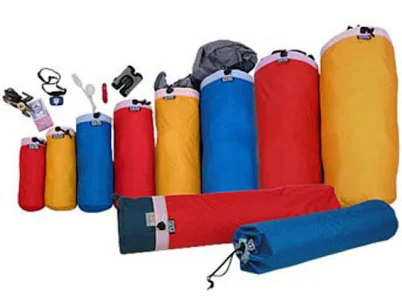
- Cordura nylon fabric
- We found no PFAS statement from the brand
- Heavy metals
- Polyester webbing and nylon
- Azo dyes in polyester webbing
4 hazards checked on this product, all on its full breakdown.
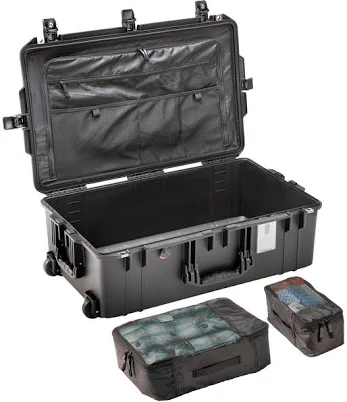
- Polypropylene shell, polyurethane foam, stainless steel hardware
- Polyurethane foam degradation and off-gassing
More waterproof bags & luggage grades
How we score, every product runs through the same public 0-100 rubric based on materials, coatings, brand disclosure, lab findings, and recalls. See the full methodology → Spotted a mistake? Report an error.